


The best organic baby clothing brands hold GOTS certification։ the Global Organic Textile Standard, which covers the entire supply chain from organic cotton farm to finished garment, and OEKO-TEX Standard 100 Class I, the most stringent independent chemical-safety test available, specifically designed for items that come into direct contact with baby skin. Both together are the gold standard.
A newborn's skin is estimated to be five times more permeable than an adult's. It absorbs more, reacts more, and has not yet developed the full protective barrier that adult skin has. The garments touching your baby's skin 24 hours a day, such as onesies, sleepsuits, and socks, are the highest-priority items in any wardrobe to get right. And yet 'organic' is not a legally protected term in most clothing markets. Any brand can print it on a label without independent verification. GOTS certification solves this. Every brand in this guide holds a verifiable third-party certification. None paid for their placement.
OEKO-TEX Standard 100 is classified by product use, and Class I is the strictest tier, specifically designed for products in contact with baby skin. This means lower permitted limits for formaldehyde, heavy metals, azo dyes, and other harmful substances than are required for adult clothing. When you see GOTS and OEKO-TEX Class I on a baby garment, it means the fibre was organically grown AND the finished item passed the strictest independent chemical test available for baby products.

Why Certification Matters More for Baby Clothing
|
Risk |
In Conventional Baby Clothing |
How Certification Addresses It |
|---|---|---|
|
Skin permeability |
Baby skin absorbs chemical residues from fabric at a higher rate than adult skin, particularly pesticide residues, azo dye breakdown products, and formaldehyde. |
GOTS: no synthetic pesticides, no formaldehyde finishes, azo dyes prohibited. OEKO-TEX Class I: strictest test limits for baby products. |
|
Chemical exposure |
Conventional cotton farming accounts for ~6% of global pesticide use. Residues remain in finished garments. |
GOTS-certified organic cotton is grown without synthetic pesticides. OEKO-TEX Class I tests the finished garment. |
|
Flame retardants |
Most conventional baby sleepwear in the US must meet flammability standards, often using chemical treatments. |
Look for 'snug fit' sleepwear (mechanically tight, no chemical treatment) or GOTS-certified brands that avoid chemical finishes. |
|
Azo dyes |
Many synthetic dyes break down into carcinogenic aromatic amines that absorb through skin. Babies wear coloured clothing against their skin all day. |
GOTS prohibits harmful azo dyes throughout the supply chain. OEKO-TEX Class I tests for azo dye residues in the finished garment. |
How We Rate: The Skin Safety Score
Every brand is evaluated across three pillars. GOTS certification is the baseline requirement. Brands are additionally assessed for OEKO-TEX Standard 100 Class I finished-product testing, social certifications, and transparency.
|
Pillar |
What We Measure |
Why It Matters for Babies |
|---|---|---|
|
Fabric Purity |
Organic % per product, GOTS certification scope: full range vs selected products only |
GOTS requires ≥95% organic fibre. Verify whether certification covers every product, not just a 'certified range'. |
|
Chemical Safety |
OEKO-TEX Standard 100 Class I (baby), azo-free dyes, formaldehyde, BPA/PFAS policy |
Class I is the strictest OEKO-TEX tier. Baby garments that pass Class I meet lower permitted chemical limits than adult clothing. |
|
Transparency |
Named factories, social audits, supply chain traceability, Fair Trade certification |
GOTS requires factory audits. Brands that additionally hold Fairtrade certification provide a living-wage assurance for the workers making your baby's clothes. |

Quick Comparison: All 6 Brands at a Glance
|
Brand |
Key Materials |
Key Certifications |
Best For |
Price |
Made In |
|---|---|---|---|---|---|
|
Q for Quinn |
GOTS organic cotton, RWS merino wool, dye-free options, no toxic dyes |
GOTS (Ecocert Greenlife #256894) + OEKO-TEX |
Organic cotton baby and toddler socks and underwear |
$$ |
Portugal / India / Peru |
|
Finn + Emma |
GOTS organic cotton, eco-friendly non-toxic dyes |
GOTS + OEKO-TEX Standard 100 + Fair Trade |
Newborn to toddler basics: bodysuits, sleepwear, knitwear |
$$–$$$ |
India |
|
Little Green Radicals |
GOTS organic cotton, GOTS-certified water-based inks |
GOTS (Soil Association GOTS-11367) + Fairtrade Foundation |
Babies to 8 years: babygrows, playwear, gifting |
$$ |
India |
|
MakeMake Organics |
GOTS organic cotton, non-toxic dyes |
GOTS + Fair Trade + OEKO-TEX Standard 100 |
Newborn to 24 months: bodysuits, blankets, swaddles |
$$–$$$ |
India |
|
Baby MORI |
Organic cotton + bamboo viscose blend (GOTS-certified factories) |
GOTS-certified factories in Turkey, Code of Conduct audited |
UK baby basics: sleepwear, daywear, layering |
$$–$$$ |
UK / Turkey / Asia |
The Best Sustainable and Organic Baby Clothing Brands in 2026
1. Q for Quinn
|
Q for Quinn | $$ | Made in: Portugal / India / Peru |
||
|
Materials 95–100% organic cotton; RWS-certified Merino Wool; organic biodegradable thread; dye-free and plant-dyed options, no azo dyes, no formidable |
Certifications GOTS (Ecocert Greenlife, Licence #256894) + OEKO-TEX Standard 100 on thread and elastics |
Best For Organic cotton baby and toddler socks, underwear, including dye-free options for eczema-prone baby skin |
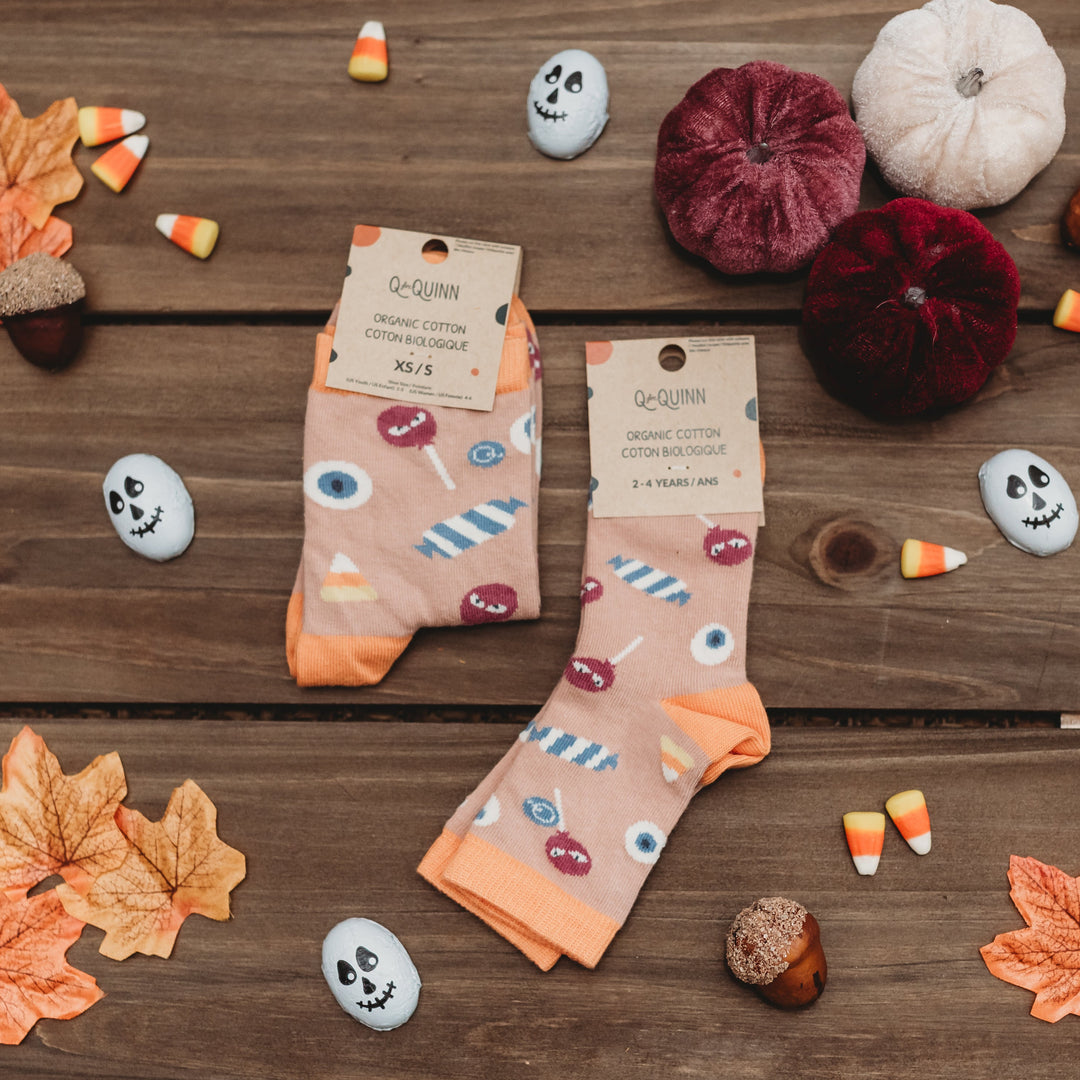
Q for Quinn covers the base layer for the whole family, including babies and toddlers. GOTS certification from Ecocert Greenlife (Licence #256894) covers the full supply chain: organic cotton farming without synthetic pesticides through to processing without harmful dyes or chemical finishes. OEKO-TEX Standard 100 is additionally certified on thread and elastics, the components in direct contact with baby and toddler skin.
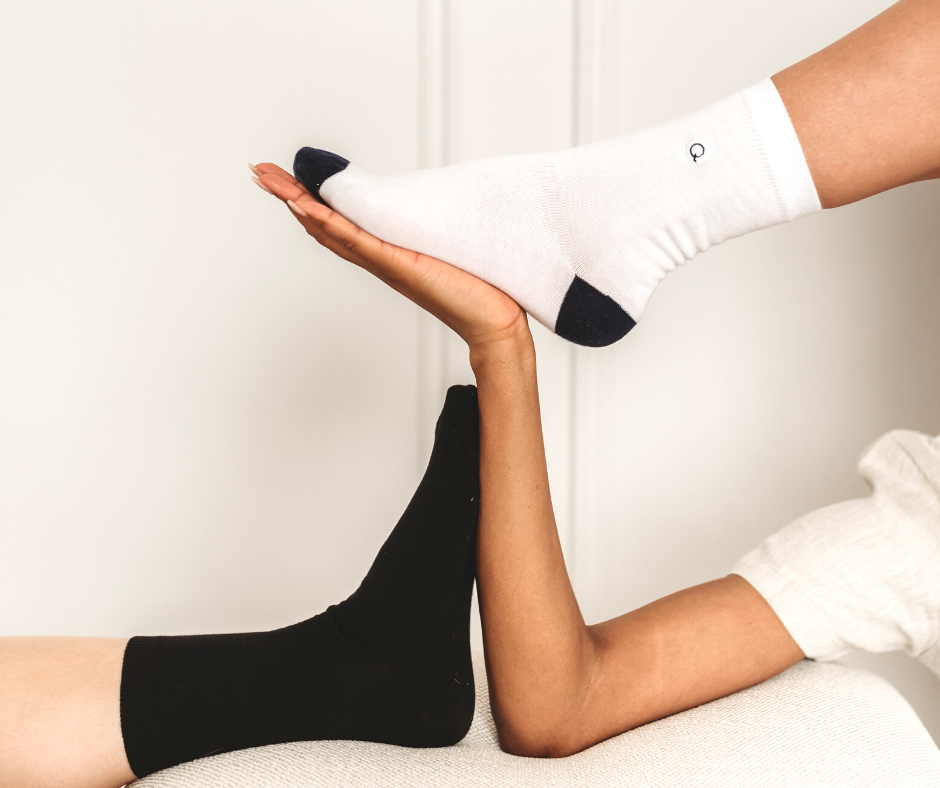
For newborns and babies with eczema or sensitive skin, Q for Quinn offers fully dye-free organic cotton, containing no dye residues of any kind, eliminating both azo dye and PFAS exposure simultaneously. The organic cotton toddler and kids underwear and organic cotton socks for toddlers and kids collections cover the base layer from newborn through toddler years. Factories in Portugal, India, and Peru are named on the website.
-
What we like: GOTS and OEKO-TEX. Dye-free options for eczema-prone baby skin. GOTS verifiable at global-standard.org. Named factories. Covers from newborn through toddler.
-
What to know: Q for Quinn focuses on the base layer: socks and underwear. For sleepsuits, onesies, and outerwear, the brands below complete the full picture.
2. Finn + Emma
|
Finn + Emma | $$–$$$ | Made in: US |
||
|
Materials 100% GOTS-certified organic cotton; eco-friendly, non-toxic, AZO-free dyes; coconut shell buttons; natural wood toys |
Certifications GOTS, OEKO-TEX Standard 100 + Fair Trade (living wages, safe conditions) |
Best For Newborn to toddler: bodysuits, footies, rompers, knitwear, heirloom gift sets |
Finn + Emma was founded on a single principle: parents should not have to choose between good design and good ethics for their baby. Every garment in the range is made from 100% GOTS-certified organic cotton with eco-friendly, AZO-free, non-toxic dyes. The brand holds both GOTS and OEKO-TEX certifications, meaning the organic fibre supply chain and the finished garment are both independently verified. Production takes place in Fair Trade certified facilities where workers receive living wages and operate in safe conditions.
Distinctive details reflect the brand's chemical-safety commitment throughout: signature coconut shell snap closures replace plastic snaps; cuts are designed with cloth-diaper compatibility in mind; knitwear uses organic yarn. The brand positions explicitly around “heirloom quality” pieces built to last through multiple children, reducing the need for repeat purchasing and extending the life of every garment.
-
What we like: 100% GOTS certified across the full range. OEKO-TEX Standard 100. Fair Trade factories. AZO-free dyes. Coconut shell closures, no plastic. Built for multiple children and hand-me-downs.
-
What to know: Mid-to-upper price point. The range is focused on babies and toddlers. Regular sales bring many items to more accessible prices.
3. Little Green Radicals
|
Little Green Radicals | $$ | Made in: UK |
||
|
Materials 100% GOTS-certified organic cotton; GOTS-certified water-based inks and dyes. No phthalates, no chemical bleaches, no harmful heavy metals. |
Certifications GOTS, Fairtrade Foundation |
Best For Babies to 8 years: babygrows, playwear, dungarees, colourful clothing built to be passed on. |
Little Green Radicals was founded in 2005 with one aim: to do business differently. The brand was in the first wave of UK companies to receive Fairtrade certification for clothing, more than twenty years ago. All cotton products are GOTS certified organic and Fairtrade certified. All inks and dyes have no chemical bleaches, no harmful heavy metals, and no chlorine. The brand's colourful screen-printed designs use only water-based inks.
The design philosophy is deliberately longevity-focused: bright, bold prints that stay vivid through many washes, durable cotton construction that survives wriggly newborns and adventurous toddlers.
-
What we like: GOTS certification. Over 20 years of Fairtrade partnership. Return and Earn resale scheme. Covers 0-8 years.
-
What to know: UK and Europe focused, ships internationally but delivery costs vary. The range is colourful playwear.
4. MakeMake Organics
|
MakeMake Organics | $$–$$$ | Made in: India (Fair Trade factories) |
||
|
Materials GOTS-certified organic cotton, non-toxic dyes |
Certifications GOTS, Fair Trade, OEKO-TEX Standard 100 |
Best For Newborn to 24 months — bodysuits, rompers, blankets, swaddle blankets, play mats |
MakeMake Organics holds triple certification, GOTS, Fair Trade, and OEKO-TEX Standard 100, on its entire range of newborn and infant clothing, bedding, and accessories. The brand was founded on the principle that every material a baby touches should be certifiably safe: no toxic dyes, no pesticide residues, no harmful chemical processing. The minimalist, gender-neutral aesthetic uses modern designs and calming colour palettes, making every piece work as part of a coordinated wardrobe without trend-driven waste.
The range covers everything from the first days home: bodysuits, rompers, leggings, swaddle blankets, burp cloths, and play mats, all to the same triple-certified standard.
-
What we like: GOTS + Fair Trade + OEKO-TEX certifications. Full range newborn to 24 months. Non-toxic dyes throughout. Minimalist, gender-neutral designs built to last.
-
What to know: Range tops out at 24 months. For clothing up to age 8, see Little Green Radicals. Primarily ships to North America; international delivery available.
5. Baby MORI
|
Baby MORI | $$–$$$ | Made in: UK (designed) / Turkey |
||
|
Materials Organic cotton + bamboo viscose blend (GOTS-certified organic cotton). |
Certifications GOTS-certified partner factories in Turkey |
Best For UK baby basics: sleepwear, daywear, blankets, bath. Newborn to age 6. |
Baby MORI was founded in London in 2015 with the goal of creating the softest possible fabrics for baby skin. The brand's signature material is a blend of GOTS-certified organic cotton with bamboo viscose, a combination designed to be temperature-regulating, moisture-wicking, and hypoallergenic. The organic cotton is certified through GOTS-certified partner factories in Turkey (where most of the organic cotton is grown).
The brand is focused specifically on the UK and European baby market, a strength for parents in these markets looking for reliable domestic shipping, accessible retail partnerships, and a brand built for year-round UK weather layering. MORI's range covers newborn to age 6 in daywear, sleepwear, knitwear, and bath essentials.
-
What we like: GOTS-certified factories. Temperature-regulating organic cotton + bamboo blend. UK-designed and widely available in UK retail. Strong Code of Conduct with regular factory audits.
-
What to know: GOTS certification is held at the factory level rather than as a brand-level Scope Certificate across all products. The bamboo viscose component is not GOTS-certified (bamboo viscose cannot be GOTS certified). Verify the GOTS organic cotton content per product.
6. Nui Organics
|
Nui Organics | $$$ | Made in: New Zealand |
||
|
Materials Merino wool, GOTS organic cotton, natural dyes, chlorine-free wool processing |
Certifications GOTS + OEKO-TEX Standard 100 + Bluesign® + SEDEX + FSC (packaging) |
Best For Merino wool and organic cotton baby and children's essentials, temperature regulation for all climates |
Nui Organics is a New Zealand family business that holds one of the most comprehensive certification stacks in baby clothing: GOTS, OEKO-TEX Standard 100, Bluesign® (safer chemistry in fabric processing), and FSC-certified packaging. Wool is sourced from New Zealand and Australian farms and processed chlorine-free.
Merino wool is one of the most functionally useful fibres for baby clothing: it regulates temperature in both warm and cold conditions, is naturally moisture-wicking, odour-resistant (reducing washing frequency), and soft enough for newborn skin.
-
What we like: GOTS + OEKO-TEX + Bluesign + SEDEX. Chlorine-free merino wool processing. GOTS certified cotton lines. FSC-certified packaging. New Zealand origin.
-
What to know: Higher price point reflecting premium natural fibre and certification standard. Range is focused on essentials rather than a full fashion wardrobe. Ships internationally from New Zealand.

FAQ: Organic Baby Clothing
Is organic clothing really safer for babies?
Yes, particularly for babies under 12 months, whose skin is significantly more permeable than adult skin and more reactive to chemical residues in fabric. GOTS-certified organic cotton is grown without synthetic pesticides and processed without harmful dyes (including azo dyes), formaldehyde, or PFAS. OEKO-TEX Standard 100, the strictest tier, designed specifically for baby products, independently tests the finished garment for over 1,000 harmful substances at lower permitted limits than adult clothing. For garments worn 24 hours a day against your baby's skin, this dual certification is the highest standard available.
What certifications should I look for in baby clothes?
GOTS (Global Organic Textile Standard) is the most comprehensive. It covers organic fibre sourcing and prohibits harmful chemicals throughout the entire supply chain. OEKO-TEX Standard 100 Class I tests the finished baby garment for 1,000+ harmful substances at the strictest permitted limits. Both together are the gold standard. Also worth checking: Fair Trade certification ensures the workers making your baby's clothes are paid fairly. Always verify GOTS by asking for the licence number and checking at global-standard.org.
What is the difference between GOTS and OEKO-TEX for baby clothing?
GOTS asks “how was this made?”. It verifies the cotton was organically grown and that no harmful chemicals were used at any stage of manufacturing. OEKO-TEX Standard 100 asks “is this garment safe to wear?”. It independently tests the finished product for harmful substances. Class I is the baby-specific tier with the strictest permitted limits. GOTS and OEKO-TEX Class I together means both questions have been answered. See our article on OEKO-TEX certification for more.
What should I avoid in baby clothing?
The main concerns in conventional baby clothing are: synthetic pesticide residues from non-organic cotton farming; azo dyes that break down into carcinogenic compounds through skin contact; formaldehyde-based wrinkle-resistant and easy-care finishes; BPA and PFAS in polyester/synthetic blends; flame-retardant chemical treatments in sleepwear. The simplest guide: GOTS-certified organic cotton eliminates all of these at the fibre and processing stage. OEKO-TEX Standard 100 Class I confirms the finished garment is free from harmful substances.
Is organic cotton better for baby eczema?
Yes, GOTS-certified organic cotton is widely recommended by dermatologists for babies with eczema or sensitive skin. It is grown without synthetic pesticides, processed without harmful dyes or chemical finishes, and naturally breathable and hypoallergenic. For the most sensitive skin, dye-free organic cotton is the most recommended option. Q for Quinn offers dye-free organic cotton socks and dye-free underwear specifically for this purpose.
When should I start buying organic baby clothes?
From birth, particularly for the garments with the longest skin contact: onesies, sleepsuits, socks, and the first layer of clothing worn daily. Newborn skin is the most permeable it will ever be. Pesticide residues, azo dye breakdown products, and formaldehyde finishes in conventional clothing present the highest absorption risk in the first 12 months. Starting with GOTS-certified basics for the first layer is the most effective step.



Leave a comment