


Think of a cotton field. The conventional one is a chemical-dependent monoculture, quiet but for machinery. The organic field is louder. It’s full of insects, birds, and healthy soil microbes. That sound is where the difference starts.
“How is cotton made?” is the main question. Organic cotton is grown under a certification system that forbids synthetic pesticides and fertilizers. Organic farming uses non-GMO seeds, and actively builds soil health. The fiber itself begins its life in a living system, not a sterile one.
This changes everything. About 10% of the world’s insecticides are used on conventional cotton. Organic farming uses none. Instead of man-made nitrogen fertilizers, which require massive energy to produce, organic farms use compost and crop rotation. The plant grows from natural soil richness. The result is a fiber that leaves a lighter footprint before it’s even picked.
But organic cotton isn’t just good for the environment. It’s also good for you.
The absence of harsh chemicals means the final fiber is gentler. It carries no toxic residues that can contact your skin. In short, organic cotton is naturally hypoallergenic.
How is Cotton Made: The Sustainable Farming Process
Where does cotton come from? The organic cotton making process follows a clear, step-by-step plan that works with nature, not against it. It uses smart, natural methods instead of chemicals and thinks about the future of the land.
It starts with the soil. Before a single cotton seed is planted, the soil itself is prepared. Farmers invest in long-term fertility by planting cover crops like clover or vetch after a harvest. These crops are not for sale. They are grown to be plowed back into the earth. The practice is called green manuring. This replenishes nutrients, prevents erosion, and builds organic matter. The process is cyclical and can take several seasons to fully restore degraded land.
Next, the water. Water use is managed through the soil's improved capacity. The enriched, compost-fed earth acts like a sponge, absorbing and retaining rainfall much more effectively. On many organic farms, this allows for purely rain-fed cultivation. When supplemental water is necessary, targeted drip irrigation systems are commonly used, delivering moisture directly to plant roots. This precision dramatically reduces consumption compared to the wasteful flooding of conventional fields.
Then, pest control. In organic cotton farming, insect control is about strategy. Not eradication. Farmers introduce beneficial insects that prey on pests. They plant trap crops that lure bugs away from the cotton. They accept a certain level of loss. A resilient plant in a balanced ecosystem can withstand it.
Finally, the harvest. The harvest is the culmination of this managed biological process. The cotton bolls are picked, yielding a fluffy raw material that is clean by default. Its purity is a product of the entire system. Not a result of post-harvest chemical washing or processing.
Processing Organic Cotton: Turning Raw Cotton Into Yarn
Raw cotton contains seeds, stems, and leaf bits. The first stage in the cotton making process is called ginning. This mechanical step separates the precious lint - the long, spinnable fibers - from the seeds. Those seeds shouldn't be wasted. They are pressed for oil or saved for next year’s planting. This closes the loop.
Here is how the cotton making process works. The ginned lint is compressed into bales and sent to a mill. Here, the cotton processing refines the fiber. Carding pulls the fibers through fine teeth, aligning them into a thin, continuous web called a sliver. This web is then condensed and lightly twisted into a roving. Spinning is where the magic of turning cotton into fabric truly begins. The roving is drawn out and twisted tightly, turning disorganized fibers into a strong, coherent yarn. The twist matters. It gives the yarn its strength.
Manufacturing: Turning Yarn Into Fabric
Yarn has potential, but weaving is what turns it into real fabric. This happens on a machine called a loom. First, many yarns are stretched tightly in straight lines from top to bottom. These are called the warp threads. Then another yarn, called the weft, is woven across them from side to side, going over and under the warp threads. As this motion repeats, the threads lock together and form fabric. This is how woven materials like denim and dress shirts are made.
Knitting is another way of creating fabric from yearn. Here, a single continuous yarn is looped through itself, row after row. This creates the flexible material used for t-shirts, socks, underwear, and sweatshirts.
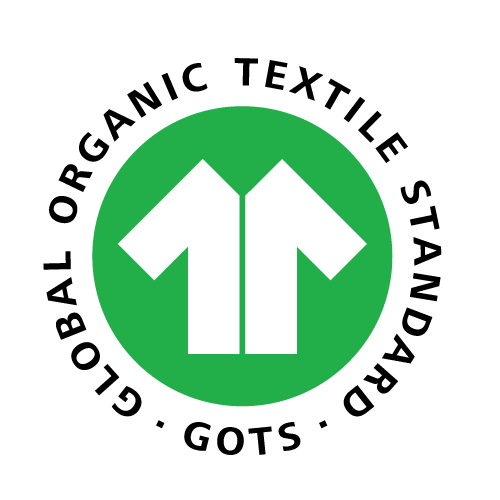
Brands committed to integrity monitor this stage carefully. They make sure the mill uses low-impact dyes and avoids toxic finishing chemicals. The gold standard for verification is the Global Organic Textile Standard (GOTS). It tracks the organic content and ensures socially responsible manufacturing from the field to the final label. Understanding this chain of custody is key. That is why we have created this expert guide to GOTS certified organic cotton.
Different Types of Organic Cotton Fabric
Clean fiber is just the beginning. The final character of the cloth: its weight, texture and drape, is decided by how it is woven, knitted, or finished. There are a number of organic cotton fabrics, and each one has its own unique feel, function, and best uses.
Jersey is the everyday hero. This is a knit, made from a single yarn looped continuously. It’s soft, has a gentle stretch, and breathes easily. It’s a fabric you can live in. Think t-shirts, underwear, and soft dresses.
Interlock is jersey’s more refined cousin. It’s a double knit. Which means it’s thicker and more stable. Both sides look smooth. It feels substantial but soft. Perfect for better t-shirts, polo shirts, and baby clothes that need to withstand frequent washing.
Pointelle is light, airy, and intentionally delicate. It’s a knit fabric created with tiny, evenly spaced open holes that form a subtle pattern. This open structure allows constant airflow, making pointelle one of the most breathable organic cotton fabrics. It’s soft against the skin, gently stretchy, and never feels heavy or restrictive.
Pointelle is used most often in organic cotton underwear, lingerie, babywear, and lightweight sleepwear. For underwear and lingerie in particular, it’s ideal because the fabric helps regulate temperature, reduces moisture buildup, and feels smooth without trapping heat. For a closer look, explore our organic cotton pointelle pieces in the Pointelle Collection. The stretch of the knit allows the garment to move naturally with the body, while the delicate texture adds a refined, feminine look without using synthetic lace or chemicals.
French Terry is cozy genius. Knitted with loops on one side, it’s built for comfort. The looped back absorbs moisture and provides insulation. The smooth face looks polished. It’s the go-to for sweatshirts, hoodies, and loungewear that feels like a hug.
Rib Knit is all about structure and stretch. You see its vertical ridges on cuffs, collars, and fitted tops. It stretches dramatically and snaps back perfectly. Essential for parts of a garment that need to hug the body.
Poplin (or Plain Weave) is classic and crisp. Woven in a simple over-under pattern, it’s lightweight but strong with a subtle sheen. This is your trusted button-down shirt, a sharp summer dress, or cool, smooth bed sheets.
Twill is durable and distinctive. Its diagonal weave pattern is not just for looks. it creates a fabric that is strong, drapes beautifully, and resists wrinkles. Denim is the most famous twill. It’s also used in chinos, jackets, and sturdy workwear.
Muslin is super lightweight. Loosely woven and gauzy, it’s incredibly breathable. Designers often use it to create the first version of a garment. For you, it’s perfect for airy summer blouses, gentle baby swaddles, or as a liner.
Flannel is perfect for wintertime. Woven and then brushed, it develops a fuzzy, insulating nap. Organic cotton flannel provides warmth without chemicals next to your skin. It’s ideal for pajamas, cozy shirts, and sheets that make you want to stay in bed.
Understanding the construction of fabric is key. But it's also important to know that not all cotton fibers are the same. Different plant varieties, like Pima, Egyptian, and Upland, each have unique qualities that affect the final product. To explore how these different types of cotton compare, you can read our detailed guide on the various types of cotton.
The Role of Sustainable Fashion Brands
Sustainable brands do more than just select organic cotton. They carefully choose the right fabric type for the garment’s purpose . Premium health-conscious brands like Q for Quinn strongly adhere to GOTS standards. That ensures the organic integrity and safe processing of these fabrics from yarn to finish. Another important certification that can help you while shopping is the OEKO-TEX certification. This shows that the brand is transparent about its sourcing and manufacturing processes, helping you make an informed choice. You can also read our detailed article about how to identify 100% organic cotton fabric, ensuring the materials are genuinely organic.
These brands are also transparent about their sourcing and manufacturing. This helps you make an informed choice about the quality and ethics behind your clothing.

Why Choose Organic Cotton for Health Benefits
Your skin is an organ. In fact, it’s your largest organ. It absorbs.
Conventional cotton fabric retains residues of pesticides, formaldehyde (used for anti-wrinkle finishes), and synthetic dyes. Organic cotton, by its certified definition, is free from these. The material is inherently purer.
For intimate apparel, this purity is non-negotiable. Synthetic fabrics or chemically treated cottons trap moisture and heat. They create an environment prone to imbalance. Organic cotton is breathable and hypoallergenic. It wicks moisture. This helps maintain a stable, dry microclimate. This is why it is consistently recommended by health professionals for sensitive skin.
Experts agree. Organic cotton is, without a doubt, the best underwear fabric for women. Its physiological benefits make it perfect for underwear that prevents UTIs and yeast infections. It is the logical choice for overall vaginal health and provides necessary comfort during postpartum recovery. For those with skin allergies or in search of a healthier bra, organic cotton provides a fundamental solution, establishing a clear standard for material safety and comfort.
Ultimately, cotton is the best choice for almost all types of clothing. The only question is what type of cotton is right for you.


FAQs About Organic Cotton
How is cotton made?
The cotton making process begins with planting seeds. The plants grow and produce fluffy bolls, which are harvested. The raw cotton is cleaned of seeds through ginning. At a mill, the fibers are carded to align them, then spun into yarn. Finally, the yarn is woven or knitted into fabric. This process of turning cotton into fabric is how we get the material for our clothes.
What makes organic cotton eco-friendly?
Organic cotton is eco-friendly because it’s grown without synthetic pesticides and fertilizers, which protects water and soil health. It uses less water. Because healthy, compost-rich soil holds moisture better. The farming methods also support more life in the field, from insects to birds. This promotes biodiversity.
Why is organic cotton better than conventional cotton?
It’s better for the planet and for health. Organic farming avoids toxic chemicals. Keeps them out of ecosystems and away from farm workers. The final fabric is free from chemical residues. This makes it safer and gentler for your skin. Especially for sensitive areas or if you have allergies.
Can organic cotton be recycled?
Yes! Existing cotton fabric or manufacturing scraps are broken down back into fibers. These recycled fibers are often blended with new organic cotton to create strong enough yarn for new products. This reduces waste and the need for new raw material.
Where can I buy organic cotton products?
Look for clothing brands like Q for Quinn that focus on sustainability and transparency. They will clearly label their products and often hold certifications like GOTS (Global Organic Textile Standard). You can check on tags or their website.
Is organic cotton more expensive than regular cotton?
Usually, yes. The higher cost reflects more careful farming practices, like crop rotation and hand-weeding, which require more labor and land. It’s an investment in environmental protection and ethical production. Prices are coming down as it becomes more popular.
Can organic cotton be used for all types of fabrics?
Absolutely. The cotton processing steps after harvest are the same for organic and conventional fiber. Whether the goal is a lightweight jersey, a sturdy denim, or a soft flannel, how to turn cotton into fabric depends on the mill’s machinery. Not the farming method. Organic cotton can be used for any style.



Leave a comment