


The words on a clothing label can tell you a lot, but sometimes, they need a little decoding.
“PFAS-free”, “organic”, “GOTS”, and “OEKO-TEX” are terms you may see when shopping for clothing, but they don't all mean the same thing. Understanding the difference can help you make more informed choices about what you wear every day.
This matters especially for underwear, socks, bras, and activewear; the garments worn closest to your skin. Here's what PFAS-free really means, how major textile certifications relate to it, and what to look for when choosing clothing.

What Does PFAS-Free Mean?
PFAS stands for per- and polyfluoroalkyl substances, a large group of synthetic chemicals known for their resistance to water, oil, grease, and stains.
PFAS have been used in some textile applications, particularly fabrics designed to repel water or stains. They are also highly persistent, which has led to growing environmental and health research.
So, what does PFAS-free mean?
A PFAS-free claim generally means a product does not intentionally use PFAS or meets specific testing requirements for PFAS. The exact meaning depends on how the claim is defined and supported.
It's important to remember that PFAS-free doesn't automatically mean organic, natural, chemical-free, or GOTS certified. Each term addresses something different.
For more information, we explain the topic in our guide to PFAS-free underwear.
PFAS in Clothing: Where Are They Used?
PFAS are mainly associated with textiles that need water, oil, or stain resistance. This can include certain outdoor clothing, rainwear, and performance fabrics.
However, synthetic fabric doesn't automatically mean PFAS-treated. The specific finish and manufacturing process matter.
At Q for Quinn, our everyday essentials are made from materials such as organic cotton and merino wool, with small amounts of synthetic fibres used in some products when stretch or durability is needed.
Explore our organic cotton women's underwear to see the materials used across our collection.

Is Q for Quinn Clothing PFAS-Free?
Q for Quinn’s focus on what goes into clothing started with founder Melita’s search for socks gentle enough for her son with eczema. As she researched children’s clothing, she became concerned about chemicals used in textiles, including PFAS, which helped shape the brand’s focus on thoughtfully chosen materials and certified production.
Today, Q for Quinn offers products made with organic cotton and merino wool, and all items are identified as PFAS-free. You can find more about Q for Quinn’s story and its approach to PFAS-free bodywear.
For underwear, our PFAS-free underwear guide provides more information about materials, certifications, and PFAS.
GOTS vs. OEKO-TEX vs. bluesign vs. PFAS-Free
These terms can be confusing because they don't all certify the same thing.
|
Label or claim |
What it primarily covers |
PFAS-free? |
|
GOTS |
Organic fibres and textile processing |
Not a PFAS-specific certification |
|
OEKO-TEX Standard 100 |
Testing textiles for specified harmful substances |
Addresses PFAS within its requirements |
|
bluesign / bluepass |
Chemicals, production, environmental and worker-safety criteria |
Not a generic “free of” claim |
|
PFAS-free |
A specific claim concerning PFAS |
Specifically addresses PFAS |
The important takeaway is that a certification should always be understood according to what it actually covers. GOTS focuses on organic textiles, while OEKO-TEX Standard 100 covers a broad range of substances.
For Q for Quinn, different standards work together rather than one label trying to communicate everything. See our certifications for more details.
What Does GOTS Have to Do With PFAS?
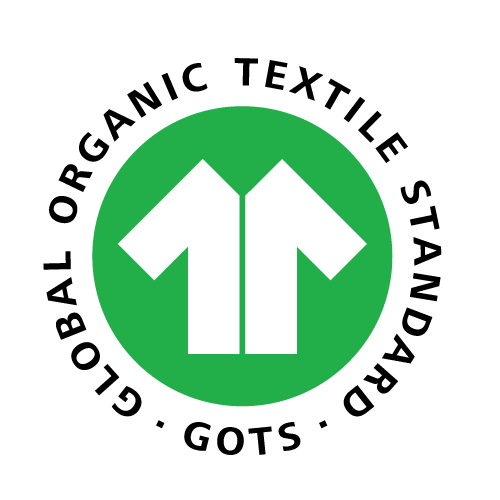
GOTS, or the Global Organic Textile Standard, covers organic fibres and requirements for textile processing and manufacturing.
Q for Quinn uses GOTS-certified organic cotton across many products.
However, GOTS isn't simply a PFAS-free certification. It's a broader standard covering organic textile production and processing.
You can learn more in our guide to GOTS-certified organic cotton.
Does OEKO-TEX Allow PFAS?
OEKO-TEX Standard 100 tests textiles and components against a broad list of potentially harmful substances. Requirements vary according to the intended use and amount of skin contact.
OEKO-TEX also addresses PFAS. Its current approach aims to prevent intentional PFAS use and includes total-fluorine requirements. However, total fluorine can also come from non-PFAS sources, so the test shouldn't automatically be interpreted as a test for every fluorinated substance.
In other words, OEKO-TEX certification and a specific PFAS-free claim aren't necessarily interchangeable.
Q for Quinn uses OEKO-TEX Standard 100 testing for relevant components. You can find more information in our guide to OEKO-TEX certification.
Why Does PFAS Matter for Clothing?
PFAS are often called “forever chemicals” because many are highly persistent in the environment.
Health research is ongoing. The Agency for Toxic Substances and Disease Registry reports associations between exposure to certain PFAS and outcomes including increased cholesterol, changes in liver enzymes, lower antibody response to some vaccines, pregnancy-induced hypertension or preeclampsia, and certain cancers. The evidence varies depending on the specific PFAS and exposure circumstances.
This doesn't mean that wearing a particular garment will cause a health problem. People can encounter PFAS through multiple sources, including food, water, dust, and consumer products.
Research specifically examining textile chemicals is also developing, with PFAS among the substances being investigated in clothing and other textiles. (PubMed)
For Q for Quinn, this makes material transparency particularly important, especially for underwear, socks, bras, and activewear that are worn close to the skin.
How Q for Quinn Approaches PFAS-Free Clothing
Our approach goes beyond one label.
GOTS-Certified Organic Cotton
Many Q for Quinn essentials use GOTS-certified organic cotton, providing information about the organic fibre and certified processing chain.
PFAS-Free Products
Specific collections, including organic cotton workout clothes for women, are explicitly described as PFAS-free.
Dye-Free Options
We offer dye-free organic cotton clothing, along with selected products using plant-based or azo-free dyes.
OEKO-TEX Testing
Relevant components are tested according to OEKO-TEX Standard 100 requirements.
Material Transparency
Q for Quinn provides fibre composition and certification information across its products, helping customers understand what they're buying.
How to Choose PFAS-Free Clothing
If you're searching for PFAS-free clothing, look beyond the claim itself.
Check:
-
Specificity: Does the brand identify which products are PFAS-free?
-
Testing: Is there supporting testing or certification?
-
Certification scope: What does the certification actually cover?
-
Materials: What fibres and finishes are used?
-
Dyes: Are dyes or treatments disclosed?
-
Transparency: Does the brand provide clear product information?
For OEKO-TEX products, you can also verify certification numbers through the official OEKO-TEX Label Check.
FAQ
What does PFAS-free mean?
It generally means that a product doesn't intentionally use PFAS or meets defined PFAS testing requirements. The exact meaning depends on the specific claim.
Is Q for Quinn clothing PFAS-free?
Yes, all Q for Quinn products are PFAS-free.
Does OEKO-TEX allow PFAS?
OEKO-TEX addresses PFAS within its standards and aims to prevent intentional PFAS use. Its approach includes total-fluorine requirements.
Is GOTS PFAS-free?
GOTS is not a PFAS-specific certification. It is a broader standard for organic textile production and processing.
Does bluesign mean PFAS-free?
Not necessarily. bluesign restricts substances of concern, including PFAS, but does not make generic “free of” claims.
How can I find PFAS-free clothing?
Look for specific PFAS-free claims and supporting testing or standards. Check the materials, finishes, dyes, and certifications before buying.
Final Thoughts
“PFAS-free” is useful information, but the details behind the label matter.
At Q for Quinn, we focus on materials, certifications, and product-specific information to give customers a clearer picture of what goes into the clothing they wear closest to their skin.
From GOTS-certified organic cotton to PFAS-free activewear and dye-free options, our goal is simple: make it easier to understand your clothing and choose what works for you.



Leave a comment