What Is Oeko-Tex Certified? Everything You Need to Know
When shopping for baby clothing, underwear, socks, or other textiles, you've likely seen the OEKO-TEX® certification label. OEKO-TEX® STANDARD 100 is an independent testing certification that verifies a finished textile product, every thread, button, and accessory, has been tested against over 1,000 harmful substances and found to be safe for human health. Understanding exactly what those tests cover, what the specific substance limits are, and how the certification is renewed each year can help you make meaningfully more informed choices about the fabrics that touch your skin every day.
What Is Oeko-Tex Certified?
Oeko-Tex certification is an independent testing and certification system for textiles at all stages of production. Established in 1992 by the International Association for Research and Testing in the Field of Textile and Leather Ecology, Oeko-Tex verifies that textile products are free from harmful substances that could pose risks to human health.
The certification process involves laboratory testing for hundreds of potentially harmful chemicals. These include pesticides and herbicides that might remain in natural fibers, heavy metals like lead and mercury that can be used in dyes, formaldehyde often used in wrinkle-resistant treatments, carcinogenic dyes that have been linked to health concerns, phthalates commonly found in prints and coatings, and various allergenic substances that might cause skin reactions.
Products that pass these tests receive certification, giving consumers confidence that what they're purchasing meets strict safety standards. The testing is particularly thorough because it examines every component of a textile product—not just the main fabric, but also threads, buttons, zippers, and any other materials used in construction. This approach secures that no part of the certified product contains substances that exceed the established limits for human safety.
OEKO-TEX® Standard 100: Specific Substance Limit Values
OEKO-TEX® Standard 100 tests against a list of over 1,000 chemical substances. Limit values are assigned by product class — the stricter requirements apply to Class I (babies and children under 3), because infant skin is thinner, more permeable, and more vulnerable than adult skin.
The four product classes are:
- Class I — Babies and children up to age 3 (strictest limits)
- Class II — Products with direct prolonged skin contact (underwear, bed linen, socks)
- Class III — Products without direct skin contact (outer jackets, lining fabrics)
- Class IV — Home decoration textiles (curtains, upholstery, table covers)
At Q for Quinn both our organic cotton women's underwear and 100% cotton socks are certified to Class II — the standard for garments in direct, prolonged skin contact. The table below shows specific limit values for the most commonly queried substances.
OEKO-TEX® STANDARD 100 tests finished garments against over 1,000 harmful substances. Limit values vary by product class — the stricter requirements apply where skin contact is most intensive or skin is most vulnerable. Q for Quinn underwear and socks are certified to Class II (direct prolonged skin contact).
| Substance / Parameter | Why It Matters in Textiles | Class I (Babies) | Class II (Direct Skin) | Class III (No Direct Skin) |
|---|---|---|---|---|
| Formaldehyde | Used in wrinkle-resistant / anti-crease finishes. Skin irritant; carcinogenic at high doses. | ≤ 20 mg/kg (effectively not detectable) | ≤ 75 mg/kg | ≤ 300 mg/kg |
| pH Value | Extreme pH disrupts skin's natural acid mantle (pH 4.5–5.5), causing irritation and dryness. | 4.0 – 7.5 | 3.5 – 8.0 | 3.5 – 8.0 |
| Carcinogenic Azo Dyes (aromatic amines) | Certain azo dyes break down to release carcinogenic amines. Restricted under EU REACH. | Not detectable (< 20 mg/kg) | Not detectable (< 20 mg/kg) | Not detectable (< 20 mg/kg) |
| Lead (Pb) | Neurotoxin. Used in some pigment dyes and stabilisers. | ≤ 0.2 mg/kg | ≤ 1.0 mg/kg | ≤ 1.0 mg/kg |
| Cadmium (Cd) | Highly toxic heavy metal; classified as a Group 1 carcinogen. | ≤ 0.1 mg/kg | ≤ 0.1 mg/kg | ≤ 0.1 mg/kg |
| Chromium VI (Cr VI) | Highly carcinogenic form of chromium used in some leather tanning. Most strictly controlled. | Not detectable (< 0.5 mg/kg) | Not detectable (< 0.5 mg/kg) | Not detectable (< 0.5 mg/kg) |
| Mercury (Hg) | Neurotoxin; historically used as a fungicide in textile processing. | ≤ 0.02 mg/kg | ≤ 0.02 mg/kg | ≤ 0.02 mg/kg |
| Arsenic (As) | Carcinogenic metalloid used in some dyes and wood treatments. | ≤ 0.2 mg/kg | ≤ 1.0 mg/kg | ≤ 1.0 mg/kg |
| Nickel (Ni) | Primary cause of contact dermatitis from metal components (zippers, buttons). | ≤ 1.0 mg/kg | ≤ 4.0 mg/kg | ≤ 4.0 mg/kg |
| Pesticide Residues (per substance) | Synthetic pesticides from conventional cotton farming. Remain as residues in the finished fibre. | ≤ 0.5 mg/kg | ≤ 1.0 mg/kg | ≤ 1.0 mg/kg |
| Allergenic Disperse Dyes | Group of dyes that cause delayed allergic skin reactions; banned in Class I & II. | Not permitted | Not permitted | ≤ 0.006% |
| Flame Retardants (e.g. TRIS, TEPA, PBB) | Organophosphate and halogenated flame retardants; carcinogenic / mutagenic. | Not detectable | Not detectable | Not detectable |
Source: OEKO-TEX® Standard 100 Annex, Edition 2024. Limit values reviewed annually — verify current certificate at oeko-tex.com/label-check.
What this means for Q for Quinn products
- Our underwear and socks are Class II certified — the same category as bed linen and items worn directly against skin all day.
- Formaldehyde: our products test at effectively zero — we do not use wrinkle-resistant finishes.
- Azo dyes: our dyed products use only azo-free dyes. Our undyed range contains no dye residues at all.
- Pesticide residues: because we also hold GOTS certification for organic cotton, pesticide levels are substantially below even the Class I limit.
- Every year, a third-party accredited institute re-tests our products before the certificate renews. You can verify our current certificate at oeko-tex.com/label-check.
What Are the Different Types of Oeko-Tex Certifications?
Oeko-Tex has evolved to offer several certification standards, each addressing different aspects of textile production and safety. Understanding these differences can help you select products that align with their specific concerns.
- STANDARD 100 by OEKO-TEX® is the most common certification consumers encounter. This standard indicates that every component of a textile product has been tested for harmful substances and found to be harmless to human health.
- MADE IN GREEN by OEKO-TEX® goes beyond testing for harmful substances to address broader sustainability concerns. Products with this certification are not only safe for human use but are also manufactured in environmentally friendly facilities with safe and socially responsible working conditions.
- LEATHER STANDARD by OEKO-TEX® applies specifically to leather products, which present unique testing challenges compared to traditional textiles. This standard make sure that leather items are free from harmful chemicals used in tanning and finishing processes.
- DETOX TO ZERO by OEKO-TEX® helps companies eliminate harmful chemicals from their production processes, aligning with Greenpeace's Detox Campaign to prevent water pollution.
- ECO PASSPORT by OEKO-TEX® applies to chemical substances used in textile and leather production, ensuring they meet high environmental and safety standards. This certification is primarily relevant to chemical manufacturers and suppliers within the textile industry.
- VERIFIED ORGANIC COTTON certification tests for harmful substances, genetically modified cotton, and pesticides, while ensuring traceability throughout the supply chain.
Why Is Oeko-Tex Certification Important?
The importance of Oeko-Tex certification extends beyond simple product labeling—it represents a significant advancement in consumer protection and environmental responsibility within the textile industry.
Health protection stands as the primary benefit of Oeko-Tex certification. Our skin, the body's largest organ, absorbs substances it comes into contact with, making the safety of textiles a genuine health concern. The certification ensures textiles don't contain substances that could cause skin irritation, allergic reactions, or more serious health issues through prolonged exposure. For individuals with sensitive skin or conditions like eczema or dermatitis, this certification helps identify products less likely to trigger reactions.
Environmental consideration is another crucial aspect of Oeko-Tex certification. Many harmful textile chemicals eventually make their way into water systems and soil during production, use, and disposal. When we wash textiles containing harmful substances, these chemicals enter wastewater and eventually the broader environment.
Transparency in the textile industry has historically been limited, with consumers having little information about the chemicals used in their clothing and home textiles. Oeko-Tex certification provides clear information about product safety, helping consumers make informed choices. The certification's tracking system allows consumers to verify the authenticity of certified products and, in some cases, trace their production journey.
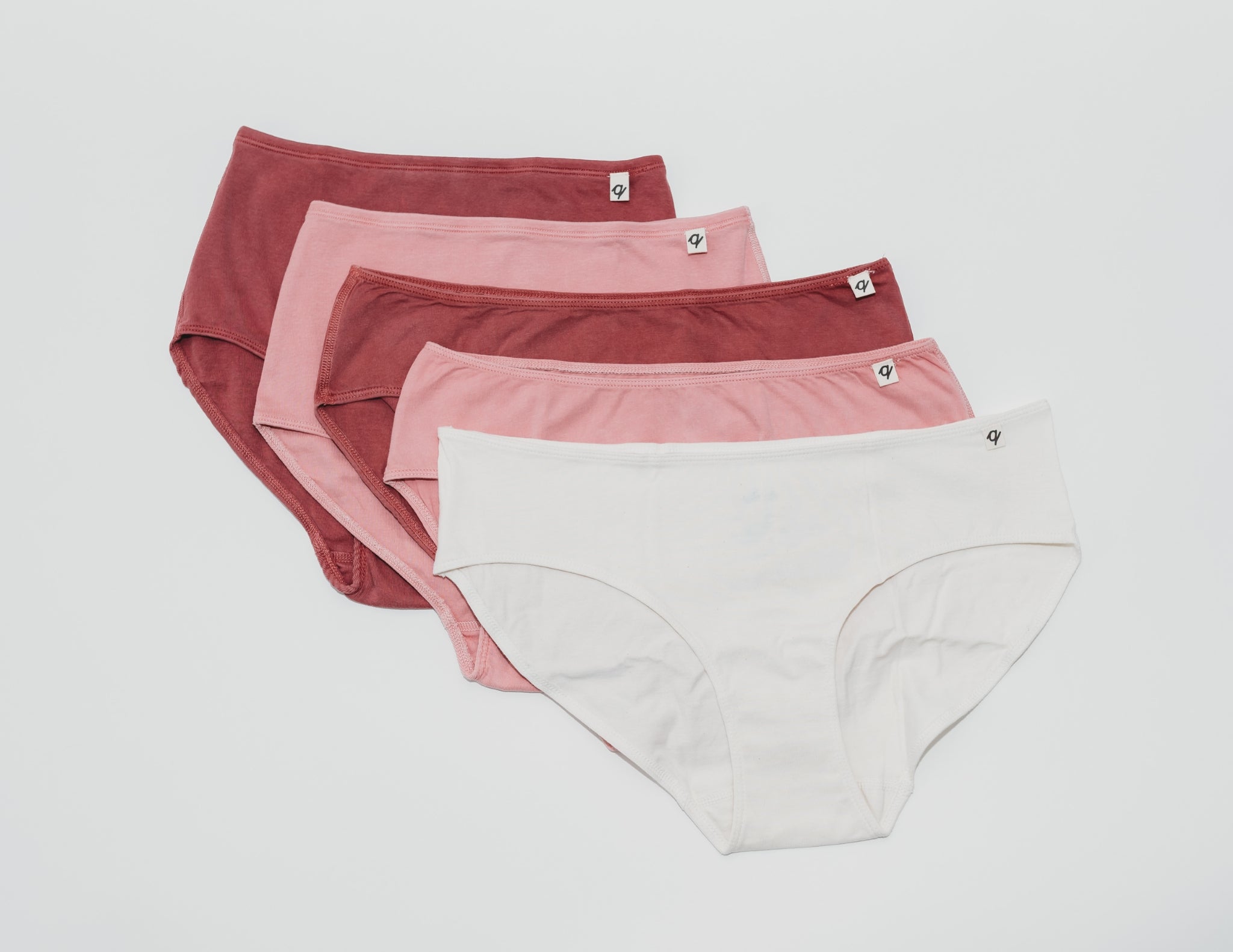
100% Organic Cotton Women’s Underwear

100% Organic Cotton Bra and Bralette
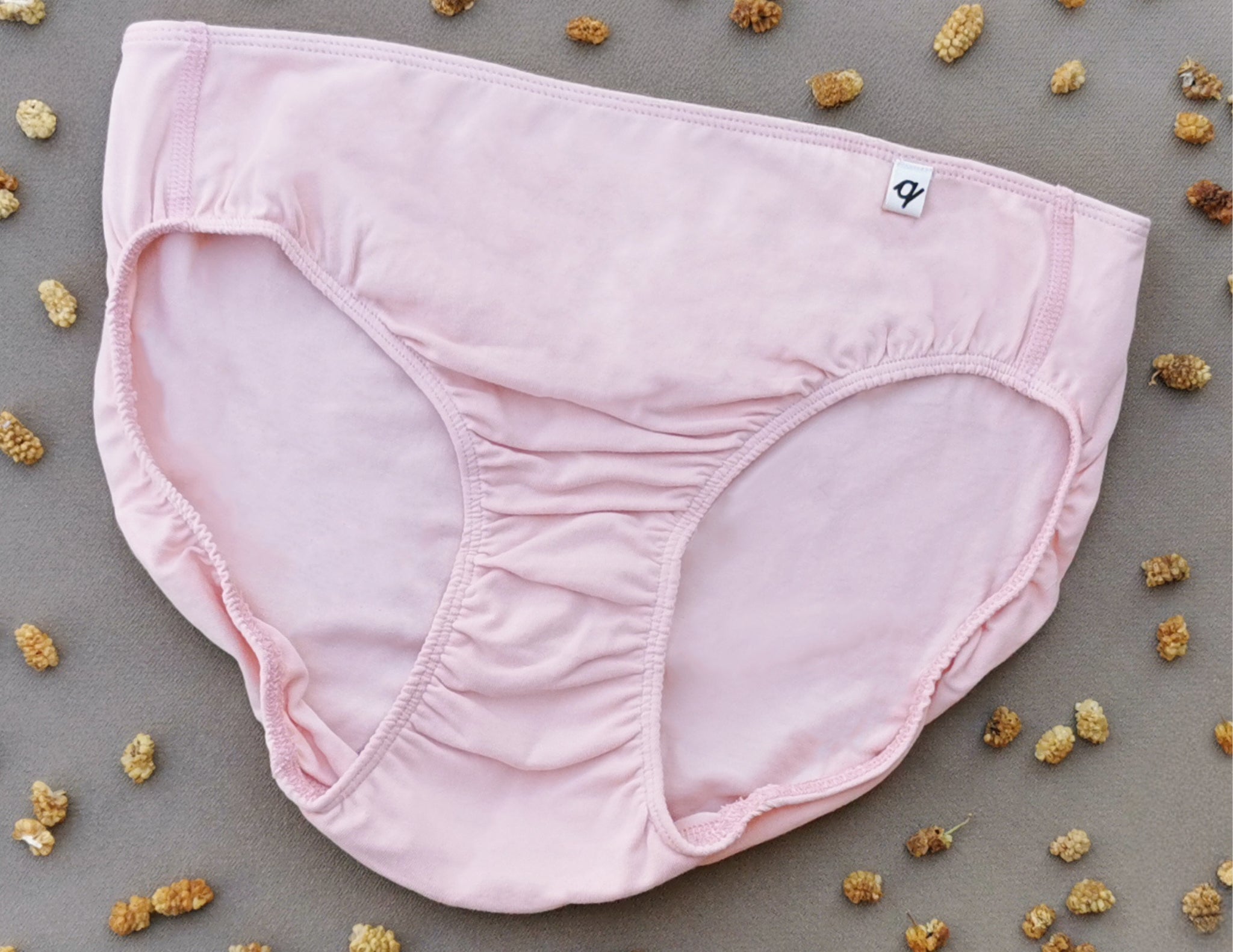
Natural, Plant Dyed Underwear
Natural, Dye Free Underwear
How to Identify Oeko-Tex Certified Products
Finding Oeko-Tex certified products requires some knowledge about what to look for and where to find verification information. The certification is only valuable if consumers can reliably identify certified products.
The Oeko-Tex label is the most direct indicator of certification. Certified products display the Oeko-Tex label, which includes the specific certification type and a unique identification number. The label typically appears on product tags, packaging, or sometimes directly on the product itself. The appearance of the label varies slightly depending on which Oeko-Tex standard the product has met. For example, STANDARD 100 certification features the words "CONFIDENCE IN TEXTILES" above the Oeko-Tex logo, while MADE IN GREEN certification includes a QR code for traceability information.
Online verification provides an additional layer of assurance. Consumers can verify the authenticity of certification by entering the identification number found on the label into the verification tool on the Oeko-Tex website. This step is particularly valuable when purchasing premium products or items where certification significantly influenced the buying decision. The verification will confirm whether the certification is current and which specific standard the product meets.
Product descriptions, especially when shopping online, typically mention Oeko-Tex certification if a product has received it. Manufacturers and retailers recognize the value consumers place on this certification and usually highlight it in marketing materials. When browsing online stores, you can often search specifically for "Oeko-Tex certified" products or filter results to show only certified items. This certification information is typically found in the product details section, alongside other specifications like material composition and care instructions.
Does "Oeko-Tex Certified" Also Mean Organic?
A common misconception among consumers is that Oeko-Tex certification indicates organic status. This misunderstanding is worth clarifying to help shoppers make choices aligned with their values and needs.
The fundamental difference between Oeko-Tex and organic certifications lies in their focus. Oeko-Tex certification focuses on the absence of harmful substances in the final product, regardless of how the raw materials were grown or processed. A conventionally grown cotton product treated with synthetic chemicals during production could still receive Oeko-Tex certification if the final product tests within safe limits for harmful substances. The certification ensures the end product is safe for human use but doesn't address the agricultural methods used to produce the raw materials — unlike the distinction between organic cotton and regular cotton, which is rooted in how the cotton is grown and processed from the start.
Organic certifications, by contrast, primarily concern how fibers were grown—without synthetic pesticides, fertilizers, or genetically modified organisms. Organic standards focus on the agricultural phase and often include some processing restrictions, but they don't necessarily test the final product for all potentially harmful substances that might be introduced during manufacturing. A product can be organically grown but still contain problematic substances from dyes, finishes, or other treatments applied during production.
Explore our expert insights on the health benefits of organic cotton underwear, how it compares to other materials, and why it's considered a healthier choice.
GOTS vs. Oeko-Tex: What's the Difference?
These two certifications are frequently confused, and the distinction matters because they answer completely different questions. OEKO-TEX® STANDARD 100 asks: is the finished garment chemically safe? GOTS asks: was the cotton grown organically, and was the entire supply chain ethical?
A product can hold OEKO-TEX® without being organic. It can hold GOTS without being independently tested for substance safety in the finished garment. The gold standard — and the standard Q for Quinn holds — is both.
| OEKO-TEX® STANDARD 100 | GOTS (Global Organic Textile Standard) | |
|---|---|---|
| What it certifies | The finished product is free from harmful substances | The fibre is organically grown AND the processing chain meets chemical and social standards |
| Fabric origin | Not certified — can be conventional cotton | Must be ≥ 95% organic fibre (GOTS) or ≥ 70% (GOTS with label) |
| Chemical testing | Tests 1,000+ substances in the finished garment | Restricts prohibited substances throughout the production chain |
| Annual renewal | Yes — certification valid 1 year, requires annual re-testing | Yes — annual renewal with on-site audits |
| What it does NOT cover | Whether cotton was grown organically; farm-level practices | Individual product-level substance testing |
| Best for | Confirming a garment is chemically safe to wear | Confirming the full supply chain is organic and ethical |
| Q for Quinn holds both? | ✓ Yes | ✓ Yes |
Eczema Socks
100% Organic Cotton Socks

Natural, Dye Free Socks

Organic Cotton Baby Socks
The Importance of Fabric Certifications for Underwear and Baby Clothing
Fabric certifications take on heightened importance for items that come into direct and prolonged contact with sensitive skin, making them particularly important for underwear and baby clothing.
Underwear presents unique considerations that make certification especially valuable. These garments sit against your most sensitive skin all day long, creating extended exposure to any substances present in the fabric. The intimate areas covered by underwear often have thinner, more permeable skin that may absorb substances more readily than other body parts.
The genital area is particularly vulnerable to irritation from textile chemicals, and many dermatologists recommend certified organic or Oeko-Tex certified underwear for patients with unexplained irritation or sensitivity. The warm, moist environment created in these areas can potentially accelerate the release of chemicals from fabrics, making chemical safety even more important for these garments than for outer clothing.
Baby clothing needs present even more compelling reasons for certification. Infants have thinner, more permeable skin that absorbs substances more readily than adult skin—up to 65% more in some cases. Their skin barrier function is not fully developed, making them more vulnerable to irritants and allergens. Babies also have developing immune and detoxification systems that are less equipped to process potentially harmful substances. Their higher surface-area-to-body-weight ratio means they receive proportionally higher exposure to any chemicals present in their clothing and bedding.
Organic Cotton Underwear for Toddlers & Kids
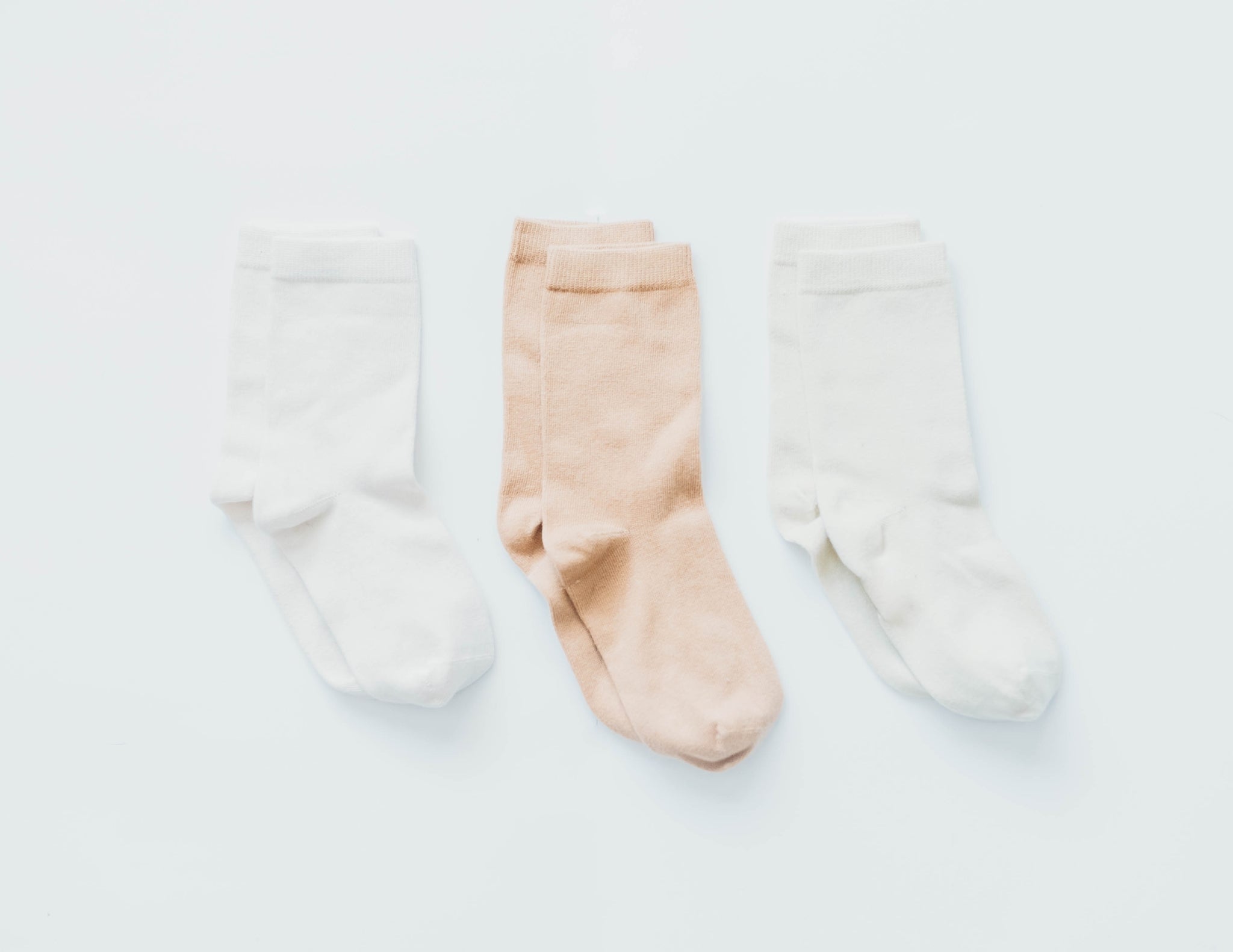
Natural, Dye Free Socks for Kids
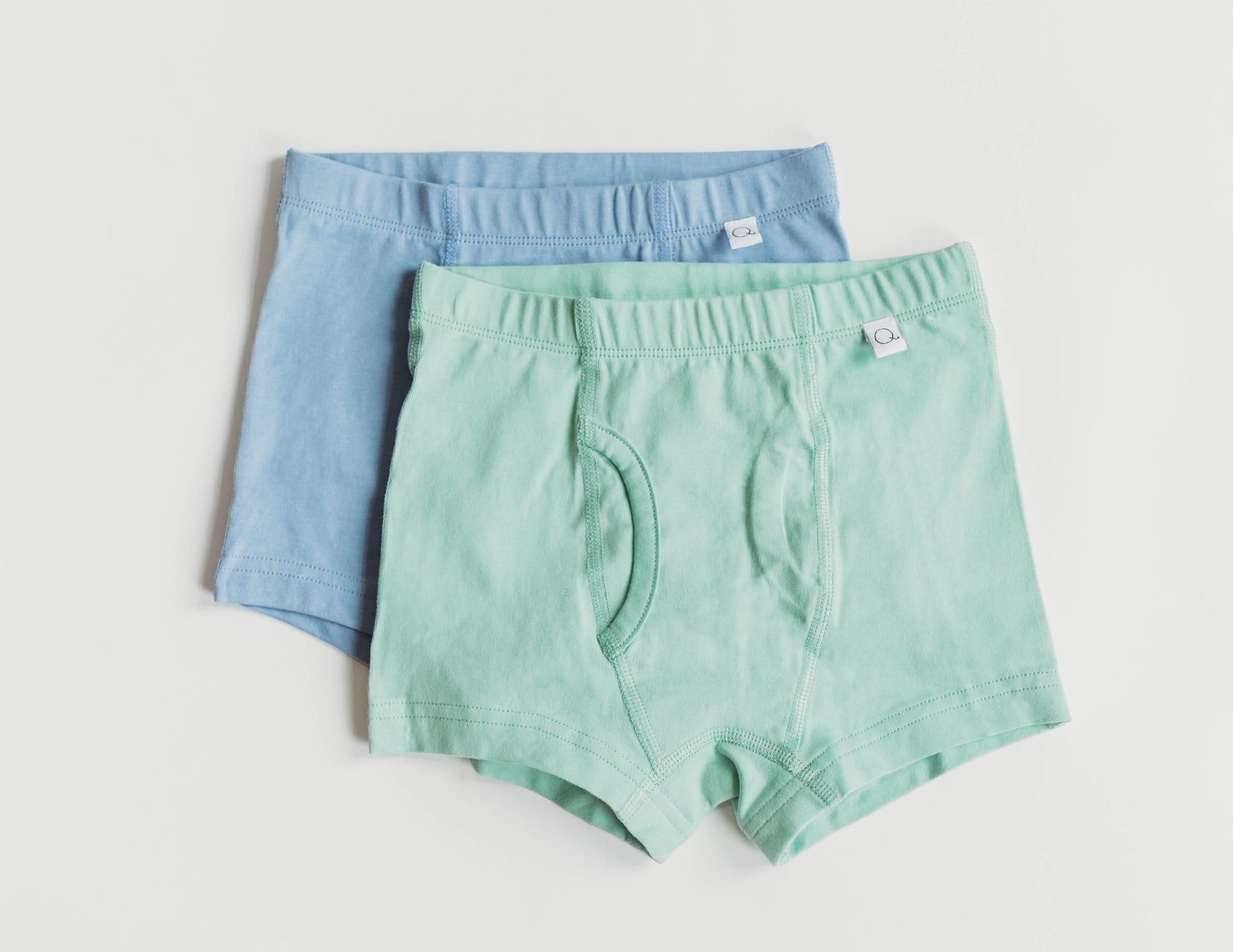
Tween Underwear and Panties
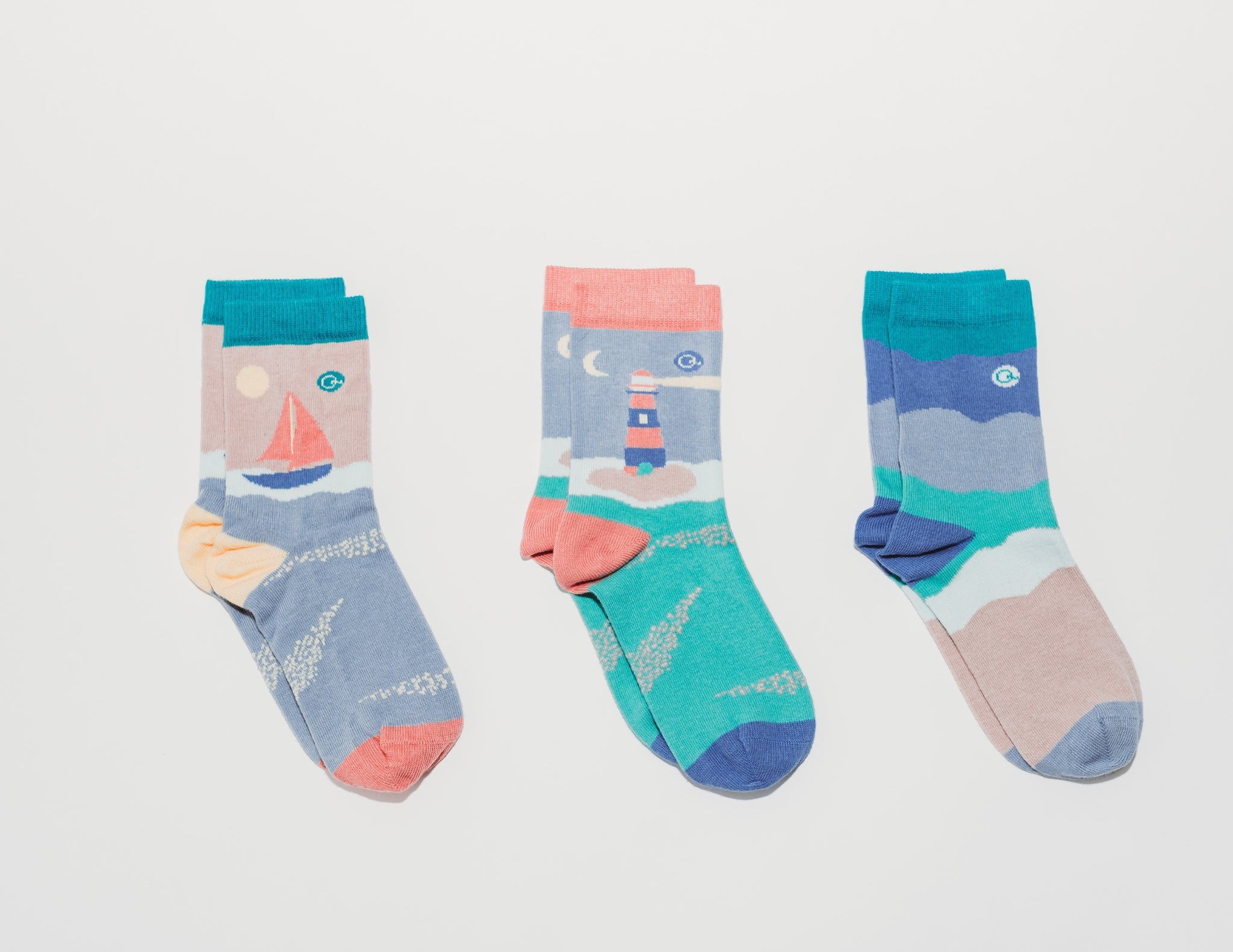
Organic Cotton Socks for Kids
How Long Is OEKO-TEX® Certification Valid? Annual Renewal Explained
A common question — and one that matters more than most shoppers realise — is how long an OEKO-TEX® certificate remains valid. The answer: exactly 12 months. Every OEKO-TEX® STANDARD 100 certification must be renewed annually.
| Fact | Details | Why It Matters to You |
|---|---|---|
| Certification duration | 12 months (annual renewal) | A label on a product produced 2+ years ago may refer to an expired certificate |
| Renewal process | Full re-testing of all components required | Standards are updated at least once a year — limit values may tighten |
| How to verify | Scan QR code on label, or enter certificate number at oeko-tex.com/label-check | Takes under 30 seconds; confirms the certificate is currently valid |
| Standards update frequency | At least once per year | OEKO-TEX adds new restricted substances as science identifies risks |
| Who tests | Accredited member institutes (e.g. Hohenstein, TESTEX) | Third-party, not self-reported by the brand |
Common Questions About OEKO-TEX Certification
What are the OEKO-TEX Standard 100 limit values for formaldehyde?
OEKO-TEX Standard 100 sets formaldehyde limits by product class: Class I (babies): ≤ 20 mg/kg (effectively not detectable). Class II (direct skin contact, including underwear and socks): ≤ 75 mg/kg. Class III (no direct skin contact): ≤ 300 mg/kg. Formaldehyde is used in wrinkle-resistant finishes; OEKO-TEX restricts it because it is a skin irritant and known carcinogen at elevated exposures. Q for Quinn products test at effectively zero — we do not apply any wrinkle-resistant treatments.
Does OEKO-TEX Standard 100 test for azo dyes?
Yes. OEKO-TEX Standard 100 requires that carcinogenic aromatic amines that can be released from azo dyes are not detectable in the finished garment — the limit is below 20 mg/kg for all four product classes. This applies regardless of whether the dye itself is technically 'azo' — it is the breakdown products (specific aromatic amines) that are restricted. Q for Quinn's dyed products use only azo-free dyes, meaning they do not contain the restricted azo dye chemistry at all.
How often is OEKO-TEX certification renewed?
OEKO-TEX Standard 100 certification is valid for 12 months and must be renewed annually. Renewal requires a full re-test by an accredited third-party institute. OEKO-TEX also updates its restricted substance list at least once per year, so annual renewal ensures products are tested against current standards — not a list that may be years out of date. You can verify whether any brand's certificate is currently valid at oeko-tex.com/label-check using the certificate number printed on their label.
Does OEKO-TEX mean no chemicals?
OEKO-TEX certification doesn't mean a product is completely chemical-free—this would be virtually impossible for any manufactured textile. Rather, it means the product has been tested and found to be free from harmful levels of specific restricted substances.
Modern textile production inevitably involves chemicals at various stages—from growing or producing fibers, to spinning, weaving, dyeing, printing, and finishing. Even natural fibers like cotton and wool require processing with some chemicals to become usable fabrics. What matters for human health is which chemicals are used and whether they remain in the final product at levels that could cause harm.
How to verify OEKO-TEX?
The most reliable verification method uses the unique certification number found on every OEKO-TEX label. This number typically appears directly on the product tag or packaging and follows a specific format (e.g., "OEKO-TEX 12345678 INSTITUTE"). To verify certification:
- Visit the official OEKO-TEX website (www.oeko-tex.com)
- Navigate to the "Label Check" or "Verification" section
- Enter the certification number from your product
- The system will display whether the certification is valid, which company holds it, and what specific standard it meets
For MADE IN GREEN certification, products include a QR code or product ID that provides even more detailed information about where and how the product was manufactured. Scanning this code with a smartphone reveals the product's "supply chain story," including which facilities were involved in production.
What is the difference between OEKO-TEX product classes?
OEKO-TEX Standard 100 assigns products to one of four classes based on skin contact and wearer vulnerability. Class I (strictest) covers items for babies and children under 3. Class II covers products with direct prolonged skin contact — underwear, socks, t-shirts, and bed linen. Class III covers garments without direct skin contact, such as outer jackets. Class IV covers home decoration textiles. Limit values for harmful substances are most stringent in Class I and progressively less strict through Class IV. Always check which class a brand's certification covers — underwear certified only to Class III is certified to a lower standard than Class II.
What harmful substances does OEKO-TEX test for?
OEKO-TEX Standard 100 tests for over 1,000 substances across several categories: pesticide and herbicide residues (from conventional cotton farming), heavy metals including lead, cadmium, mercury, arsenic, chromium VI, and nickel, formaldehyde from finishing treatments, carcinogenic aromatic amines released from azo dyes, phthalates from prints and plastic coatings, allergenic disperse dyes, flame retardants, pH levels, and colour fastness. The list is reviewed and updated at least once annually.