


The best sustainable activewear brands in 2026 use certified organic cotton, natural fibres, or responsibly managed recycled materials, and back up their claims with third-party certifications like GOTS, OEKO-TEX Standard 100, Bluesign®, B Corp, or Fair Trade.
Activewear sits against your skin for a minimum of 60–90 minutes while you sweat, so fabric choice matters. For skin-contact pieces like sports bras, bralettes, underwear, and base layers, we prioritized breathable materials, clear fibre composition, and third-party certifications in our ranking.
In 2022–2023, the Center for Environmental Health reported BPA concerns in polyester-spandex activewear, including sports bras and athletic shirts, with some testing linked to exposure levels up to 40 times California’s safe limit. This does not mean every synthetic activewear item is unsafe, but it does make certification and material transparency worth checking.
This guide ranks sustainable activewear brands by fabric purity, chemical safety, and supply-chain transparency, with extra weight given to organic cotton, non-toxic materials, dye-free options, and skin-contact safety.

How We Rate: The Skin Safety Score
Every brand in this guide is evaluated across three pillars. Scores are assigned on a 1–5 scale. A score of 5/5, Skin-Safe Gold, requires all three pillars to be met at the highest level.
| Pillar | What We Measure | Why It Matters |
|---|---|---|
| Fabric Purity | Organic percentage per product, GOTS or OCS certification, presence of synthetic blends | Organic and natural fibres are better suited to close-to-skin activewear |
| Chemical Safety | OEKO-TEX Standard 100, azo-free dyes, PFAS/BPA policies or testing, and formaldehyde restrictions | Finished-garment testing and chemical policies help verify safer materials |
| Transparency | Full composition disclosed, supply chain traceable, named factories published | Verifiable claims help shoppers see what the brand can prove |
What Makes Activewear Truly Sustainable?
Sustainable activewear should be judged by both material choice and proof. Natural fibres, organic cotton, recycled materials, and low-impact dyes can all be useful, but the strongest brands back their claims with third-party certifications.
| Certification | What It Guarantees | What It Doesn’t Cover |
|---|---|---|
| GOTS | Organic fibre content, restricted chemicals, processing standards, and social criteria across the supply chain | Only certifies materials and processing, not performance or stretch |
| OEKO-TEX Standard 100 | Finished components or garments are tested for harmful substances | Whether the fibre was organically grown |
| Bluesign | Safer chemistry and environmental controls in textile processing | Organic fibre content |
| GRS | Recycled content is verified through the supply chain | Whether the fabric is natural or organic |
| B Corp | The company meets broader social and environmental standards | Fabric origin or finished-garment chemical testing |
| Fair Trade | Worker protections and ethical labour standards | Whether the fabric is organic or non-toxic |
The Best Sustainable Activewear Brands in 2026
The brands below are ranked by Skin Safety Score, then by material quality, certifications, and how well they work for everyday movement and workouts.
1. Q for Quinn
|
Materials 95–100% organic cotton RWS-certified Merino Wool 100% organic biodegradable thread Dye-free and plant-dyed options |
Certifications GOTS (Ecocert Greenlife, Licence #256894) Recycled OEKO-TEX Standard 100 polyester thread OEKO-TEX Standard 100 polyester-elastane blend elastics |
Best For Organic cotton sports bras, bralettes, active basics, dye-free options |
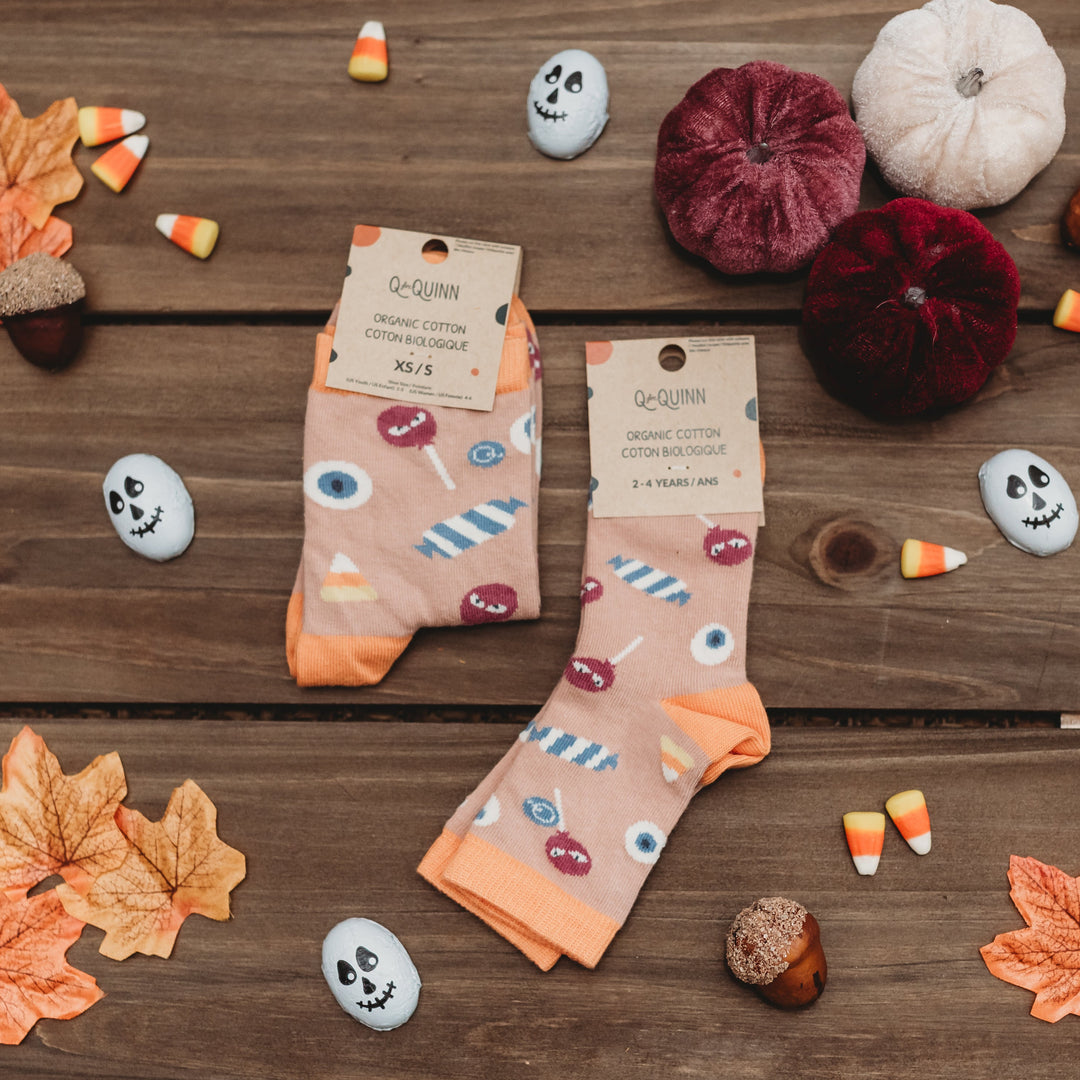
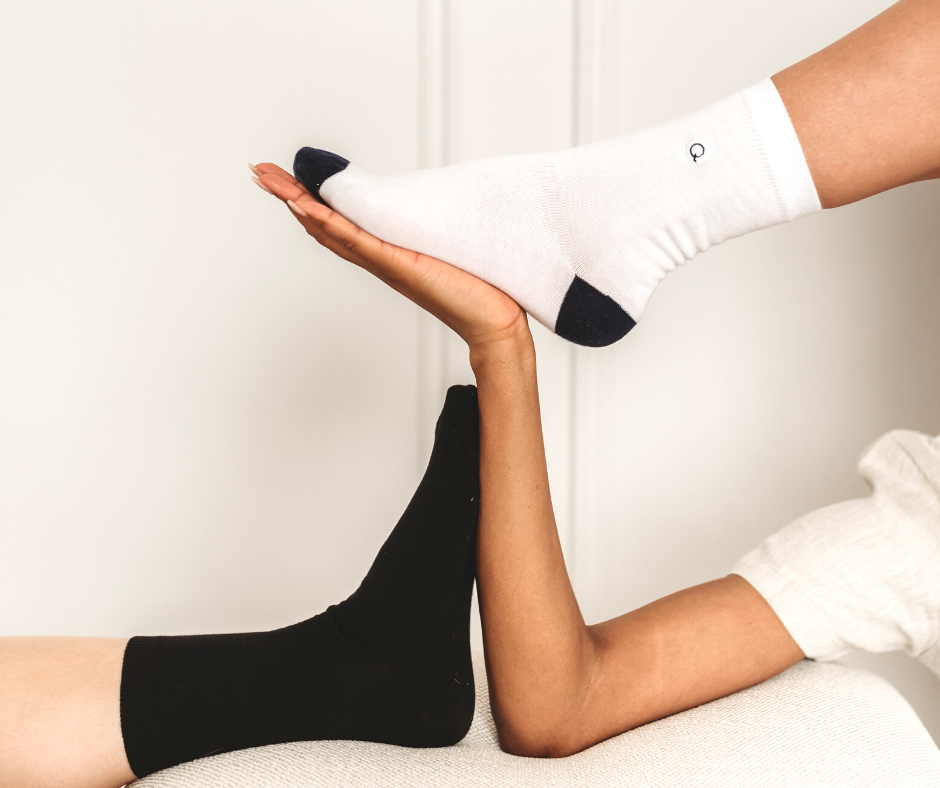
Q for Quinn is the top pick for shoppers who want sustainable activewear that starts with skin-contact safety. The brand focuses on organic cotton basics worn closest to the skin: underwear, socks, bras, bralettes, sports bras, and active layers.
Q for Quinn holds GOTS certification; the cotton is organically grown without synthetic pesticides, and the entire supply chain is processed without harmful dyes, formaldehyde, or PFAS. For sensitive or eczema-prone skin, the brand offers dye-free underwear and dye-free socks (no dye residues at all), and plant-dyed underwear using only botanical dyes. The active range includes the organic racerback sports bra, 100% organic cotton bras and bralettes, and the Move Naturally by Quinn active collection. Also available: biodegradable garments and active organic underwear. Factories in Portugal, India, and Peru are named on the website.
-
What we like: GOTS certification, OEKO-TEX certified thread and elastics. Dye-free and plant-dyed options. 95–100% organic cotton. Full factory transparency.
-
What to know: Focus is on the base layers and active basics like sports bras, women's organic active underwear, organic cotton workout clothes. For high-impact outerwear or technical trail gear, pair it with one of the performance brands below.
2. Wellicious
|
Materials GOTS-certified organic cotton, compostable elastane (Hohenstein-tested) |
Certifications GOTS, Cradle to Cradle Certified (Material Health) |
Best For Yoga, pilates, mindful movement |
A London-born yoga brand built on two principles: GOTS-certified organic cotton and compostable elastane that breaks down without releasing harmful substances, tested by Hohenstein Institute. Cradle to Cradle Material Health certification confirms the brand avoids harmful toxins throughout. Seasonless, timeless designs built to last years.
-
What we like: GOTS organic cotton, Cradle to Cradle certification, compostable elastane, slow fashion, and longevity focus.
-
What to know: Higher price point. Best for low-impact or lighter outdoor performance.
3. Indigo Luna
|
Materials GOTS-certified organic cotton, OEKO-TEX-certified bamboo viscose, plant dyes |
Certifications GOTS (organic cotton), OEKO-TEX Standard 100 (bamboo fabrics) |
Best For Yoga wear, resort active, studio practice |
Indigo Luna makes yoga wear in women-run studios in Bali using GOTS-certified organic cotton and OEKO-TEX-certified bamboo viscose. All dyeing uses plant-based, low-impact processes ; no azo dyes, no formaldehyde, no heavy metals. The small-batch production model means limited quantities per style, which keeps waste minimal. The aesthetic is bohemian and resort-inspired, suited to yoga retreats, studio practice, and travel-active wear.
-
What we like: GOTS and OEKO-TEX certification on respective fabrics. Natural plant dye process. Women-run artisan studios. Small-batch, no overproduction.
-
What to know: Check individual product composition; some styles use synthetic materials. Bamboo viscose is OEKO-TEX certified, but it is a semi-synthetic material.
4. ZONE by Lydia
|
Materials Hemp, cork, organic cotton |
Certifications 1% for the Planet member — no product-level textile certification |
Best For Yoga wear, resort activewear, cork yoga mats and props |
ZONE by Lydia was founded by Lydia Lassila, an Australian Olympic champion in aerial skiing, who channelled her athletic background into creating sustainable yoga and activewear. The brand's material story is centred on hemp and cork: hemp clothing that gets softer with every wash, requires no synthetic pesticides, and uses significantly less water than cotton to grow; and cork yoga mats and props that are naturally antimicrobial, provide grip even when wet, and are harvested without cutting down trees.
Founder Lydia Lassila personally visits all suppliers to verify ethical practices throughout the supply chain. Packaging is fully plastic-free, with compostable mailers and recycled cardboard, and the brand donates 1% of all sales to environmental causes through its 1% for the Planet membership.
-
What we like: Hemp and cork materials; both are inherently sustainable and low chemical-input. The founder personally audits supplier visits. Plastic-free packaging. 1% for the Planet.
-
What to know: ZONE by Lydia does not currently hold GOTS or OEKO-TEX product-level certification. The sustainability case rests on material choice, founder transparency, and supply chain visits rather than third-party textile testing.
5. Jungmaven
|
Materials Hemp and organic cotton blends; hemp and wool blends |
Certifications GOTS (organic cotton component), OCS (Organic Content Standard) |
Best For Hemp t-shirts, casual wear, active basics |
Jungmaven has been making hemp clothing since 2005, long before hemp became a mainstream sustainability trend. Founder Robert Jungmann is a founding member of the Hemp Industries Association, formed in 1994, whose advocacy work directly contributed to the 2018 Farm Bill that made it legal to grow industrial hemp in the United States again for the first time since 1937.
Every Jungmaven piece, aside from socks, beanies, and scarves, is cut and sewn in California by Garment Authority (GA) certified partners, meeting some of the highest ethical labour and fair wages standards in the US. The organic cotton blended with hemp meets the Global Organic Textile Standard (GOTS) and is Organic Content Standard (OCS) certified. The brand also runs Ever Jung Resell, a peer-to-peer resale platform encouraging longer product lifespans and circular consumption.
-
What we like: Hemp grown without pesticides, irrigation, or GMO seeds, inherently low-chemical. GOTS-certified organic cotton component. California manufacturing with Garment Authority certification. Peer-to-peer resale programme for circularity.
-
What to know: Jungmaven holds GOTS and OCS on the organic cotton component of its blends, not a brand-level GOTS certification across all products. Check individual product fibre ratios, blends vary by style.
6. WildBody
|
Materials GOTS-certified organic cotton, natural and low-tox dyes |
Certifications GOTS certified |
Best For Yoga, pilates, inclusive sizing (sizes 4–22) |
WildBody was founded by Jade Payne, a mother of four and CrossFit athlete, after she was diagnosed with a rare form of kidney cancer at 33. During her recovery, she began researching the chemicals in the activewear she had worn every day and set out to create an alternative: GOTS-certified organic cotton activewear, free from pesticides, PFAS, and toxic dyes, in a brand that also takes inclusivity seriously.
Every WildBody piece is made from GOTS-certified organic cotton with natural, low-tox dyes, no microplastics, no PFAS, no synthetic chemical finishes. The brand custom-grades every style from sizes 4 to 22 from the start, rather than scaling up as an afterthought, ensuring a genuinely inclusive fit at every size. Packaging is compostable and the brand donates AUD $2 from every order to Love Your Sister cancer research. WildBody also includes plantable thank-you cards with orders.
-
What we like: GOTS-certified organic cotton. Natural low-tox dyes. Size-inclusive 4–22, custom-graded. Cancer research donation with every order. Compostable packaging.
-
What to know: WildBody is a newer brand. The range currently focuses on yoga and pilates styles rather than high-impact performance.
7. Patagonia
|
Materials Regenerative Organic Certified® cotton, Fair Trade fabrics, recycled fibres |
Certifications ROC® cotton, B Corp, Fair Trade, 1% for the Planet, PFAS-free in new products from Spring 2025 onward |
Best For Outdoor, trail running, fleece, casual performance |
Patagonia completed a full PFAS phase-out across all products in Spring 2025, a landmark for a performance outdoor brand where PFAS-based water repellents have been standard for decades. The ROC® cotton range covers t-shirts, base layers, and casual active wear. The Worn Wear programme extends product life through repair and resale.
-
What we like: 100% PFAS-free since Spring 2025. ROC® cotton. B Corp. Worn Wear circular model.
-
What to know: Performance gear uses recycled synthetic fibres. PFAS-free but still synthetic. Filter for ROC® and organic cotton items specifically.
FAQ
Is organic cotton good for activewear?
Yes. Organic cotton is breathable, naturally moisture-absorbent, hypoallergenic, and free from BPA and PFAS, the chemicals found at up to 40x safe limits in polyester/spandex sports bras. GOTS-certified organic cotton activewear is independently verified to be free from toxic dyes, pesticide residues, and harmful finishes from farm to finished garment. For sports bras and base layers worn against the skin during exercise, it is the safest fabric choice available.
Are sports bras toxic?
A: Many conventional sports bras contain BPA. Testing by the Center for Environmental Health (2022–2023) found BPA at up to 40 times the safe limit in sports bras from major brands; all made from polyester/spandex blends. Sports bras made from GOTS-certified organic cotton are naturally free from BPA. OEKO-TEX Standard 100 certification additionally tests the finished garment to confirm it is BPA-free.
What certifications should sustainable activewear have?
GOTS (Global Organic Textile Standard) covers organic fibre sourcing and prohibits harmful chemicals throughout the full supply chain. OEKO-TEX Standard 100 tests the finished garment for 1,000+ harmful substances, including BPA, PFAS, azo dyes, and formaldehyde. For brands using recycled fabrics, Bluesign® certifies safer chemistry in processing and requires PFAS-free production from January 2025. GOTS + OEKO-TEX together is the gold standard.
What is the best sustainable sports bra?
For skin-contact chemical safety, Q for Quinn's GOTS-certified organic cotton sports bras, made with OEKO-TEX Standard 100 thread and elastics, are the highest standard available. The brand also offers dye-free underwear for eczema and sensitive skin. For yoga-specific wear, Wellicious and WildBody offer GOTS-certified organic cotton bras and bralettes. For size-inclusive options in GOTS-certified fabric, Q for Quinn offers 100% organic cotton full bust sports bra; a wire-free sports bra designed for fuller busts (C–E).
What makes hemp clothing sustainable?
Hemp is one of the most inherently sustainable fibres available: it grows without synthetic pesticides, requires significantly less water than cotton, needs no irrigation, and improves the soil it's planted in. It is naturally resistant to odours and gets softer with every wash. Hemp does not inherently require PFAS or any chemical finish during growing. When blended with GOTS-certified organic cotton, the finished garment can also meet organic textile standards for the cotton component.



Leave a comment