


Testing has found BPA in polyester and spandex sports bras from major brands at levels above the safe limits set under California law. This article explains what BPA is, how it gets into sports bras, how it may enter the body through skin, the health concerns linked to exposure, and what to wear instead.
Women often choose sports bras for support, more mobility, and sweat control. But if that toxic fabric sits flush against your skin during exercise, it is fair to ask what it contains and how to choose safer options.
What Is BPA and Why Is It in Sports Bras?

BPA, short for bisphenol A, is an industrial chemical used in some plastics, resins, and synthetic materials. Most people hear about BPA in plastic bottles, food packaging, and receipts, but testing has raised concerns about BPA in clothing, too.
The concern with sports bras often comes down to fabric. Many are made from polyester and spandex because these fibers stretch, hold their shape, and manage sweat. That makes them common in workout clothes, but it can also raise questions about chemical exposure.
The Center for Environmental Health has found BPA in polyester-based clothing with spandex, including sports bras and athletic shirts. BPA may be introduced during textile production, dyeing, finishing, or other chemical treatment stages.
That does not mean every sports bra contains BPA. The concern is mostly around synthetic activewear, especially pieces made with polyester and spandex. Since a sports bra sits tightly against warm skin during movement and sweat, more shoppers are starting to look at non-toxic and chemical-free bras with the same care they give to fit, stretch, and support.
What the Research Found: BPA Levels in Sports Bras
In 2022, the Center for Environmental Health announced that testing found high BPA levels in sports bras and athletic shirts from several major brands. CEH said some products could expose wearers to up to 22 times California’s safe limit for BPA. The sports bra brands included Athleta, PINK, ASICS, The North Face, Brooks, All in Motion, Nike, and FILA.
In 2023, CEH expanded its notices after testing more activewear. The updated findings included leggings, shorts, shirts, and sports bras, with some items reported at up to 40 times California’s safe limit for BPA.
The shared pattern was fabric. The concern was tied to polyester-based clothing with spandex, which is common in activewear.
Sports bras are part of a wider concern around BPA in clothing, especially synthetic garments worn close to the skin during heat, sweat, and movement.
You do not need to panic about every bra you own. Still, it is smart to check labels. Polyester and spandex may carry a higher BPA concern based on the CEH findings. A 100% organic cotton bra does not carry the same BPA concern, since BPA is linked to synthetic production rather than natural cotton fiber.
How BPA Enters Your Body Through a Sports Bra

BPA can enter the body through more than one route. Food packaging is one common source, but skin exposure is another. Research shows that BPA can pass through skin, and dermal exposure studies have estimated partial bioavailability after contact.
A sports bra creates longer contact than a quick touch. The fabric presses against the skin. Your body warms up. You sweat. The bra may stay on through a workout, errands, commuting, or lounging at home.
Exercise may raise concerns because sweat and friction increase contact between the fabric and skin. Higher skin blood flow during exercise may also make skin exposure more relevant. CEH has advised people to limit time in synthetic activewear by changing after a workout.
This does not mean one workout in a synthetic sports bra will harm you. The bigger concern is repeated exposure over time, especially from garments worn tightly and often.
What Are the Health Risks of BPA Exposure?
BPA has been studied for years because of its hormone-related effects. The research does not prove that a sports bra causes a specific illness. It does show that BPA exposure has been linked with several health concerns.
The concern is not one garment alone. It is daily exposure from many sources, including food packaging, plastics, receipts, dust, and possibly some synthetic clothing.
BPA as an Endocrine Disruptor
BPA is known as an endocrine-disrupting chemical. This means it can interfere with hormone signals, including estrogen-related pathways.
Since hormones help regulate metabolism, reproduction, growth, mood, and development, researchers have studied BPA in relation to several health concerns.
Health Conditions Linked to BPA Exposure
Research has linked BPA exposure with several health concerns. These are associations, not proof that BPA alone causes the condition.
-
The conditions below are research-linked associations, not confirmed proof that BPA alone causes them.
-
Cardiovascular disease: Reviews of human studies have reported associations between BPA exposure and cardiovascular or cardiometabolic disease markers.
-
Diabetes and obesity: Research suggests BPA may affect metabolic health through insulin signaling, pancreatic cell function, and fat cell activity.
-
Cancer risk: BPA can mimic estrogen and interact with estrogen receptors, which has raised concern around hormone-sensitive cancers, including breast, ovarian, and prostate cancers.
-
Premature death: A study found that higher BPA exposure was associated with increased all-cause mortality risk among US adults. The authors called for more research to confirm the findings.
-
Asthma: A European mother-child study found that prenatal BPA exposure may be associated with higher odds of asthma and wheezing in school-age girls.
-
Reproductive harm: Reviews have linked BPA exposure with female reproductive concerns, including reduced ovarian reserve, PCOS, endometriosis, fibroids, and infertility.
-
Developmental harm in children: Studies have linked prenatal and childhood BPA exposure with behavioral and neurodevelopmental outcomes, including anxiety, depression, hyperactivity, and inattention.
The point is not to fear monger but rather reduce avoidable exposure, starting with clothing that sits closest to your skin.
What to Wear Instead

The safest shift is simple: choose sports bras made from natural fibers.
Look for organic cotton or RWS-certified merino wool. These materials come from natural sources and do not rely on the same synthetic fiber system as polyester and spandex.
For workouts, start with an organic cotton sports bra instead of a polyester and spandex blend. Q for Quinn’s organic cotton sports bras are made with 95% GOTS-certified organic cotton and 5% elastane for stretch, which gives you a softer option for low-impact movement, walking, yoga, pilates, and everyday wear.
If you prefer a simple everyday style, a 100% organic cotton bra or bralette may be a better fit. Just check the label carefully. A bra described as “cotton-rich” or “cotton blend” may still include synthetic fibers, so it helps to know what counts as a 100% organic cotton bra before buying.
Fabric choice matters for comfort as well. For people who deal with rashes from bras or skin irritation, natural materials may feel gentler than tight synthetic blends, especially during long wear.
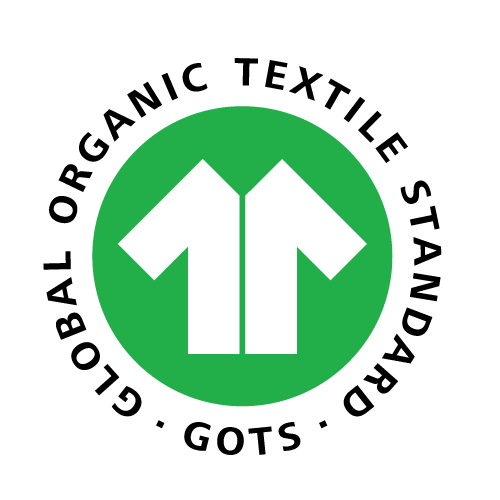
Certifications can help you sort stronger claims from weaker ones. GOTS covers organic fiber production and chemical input management across the textile supply chain. OEKO-TEX Standard 100 tests the finished textile product for harmful substances, including BPA.
This is where OEKO-TEX certification becomes useful, especially when you want reassurance about what touches your skin.
The strongest combination is GOTS plus OEKO-TEX Standard 100. GOTS helps cover fiber origin and processing. OEKO-TEX helps confirm the finished garment has been tested.
For sensitive skin, fabric is only part of the story. Dyes and finishing chemicals can matter too, which is why an undyed option, such as the Natural No Dye Organic Racerback Sports Bra, may be worth considering. You can also learn more about why some people choose natural dye bras over heavily processed options.
Here is a simple checklist:
-
Check fabric labels before buying
-
Choose 100% organic cotton when possible
-
Look for a GOTS certification
-
Look for OEKO-TEX Standard 100 certification
-
Change out of synthetic activewear after workouts
-
Limit long wear in polyester and spandex sports bras
One more note: be careful with “BPA-free” claims. Some brands replace BPA with other bisphenols, such as BPS or BPF, which may also act as endocrine disruptors. A safer approach is opting for natural fiber activewear with strong third-party certifications.
FAQs
Do all sports bras contain BPA?
No. The concern is mainly linked to polyester and spandex blends. Sports bras made from natural fibers like organic cotton do not contain BPA.
Can BPA really be absorbed through skin from clothing?
Yes. Research shows partial bioavailability through skin, and exercise may increase concern through sweat, warmth, friction, and higher skin blood flow.
Is BPA-free activewear actually safer?
Not always. Brands may replace BPA with other bisphenols, such as BPS or BPF, which are also linked to endocrine disruption. The safer option is natural fiber activewear with GOTS or OEKO-TEX certification.
Which brands had high BPA levels in their sports bras?
Testing by the Center for Environmental Health in 2022 and 2023 found high BPA levels in sports bras from Nike, Athleta, FILA, PINK by Victoria’s Secret, The North Face, Brooks, ASICS, All in Motion, and Sweaty Betty.
What certifications confirm a sports bra is BPA-free?
OEKO-TEX Standard 100 tests the finished garment for harmful substances, including BPA.
GOTS covers organic fiber origin and chemical controls across the supply chain. Together, they offer the strongest reassurance.



Leave a comment