


Plastic Free Underwear

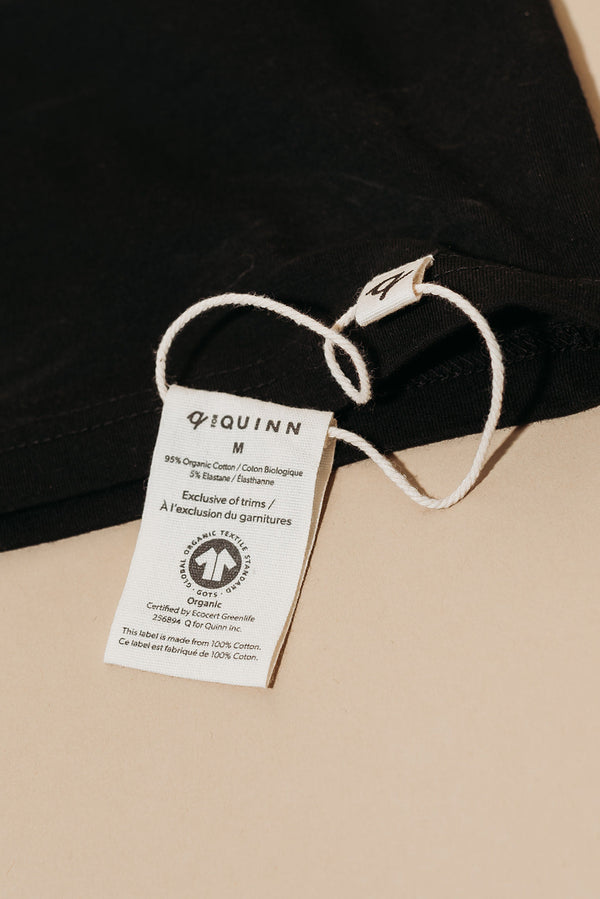
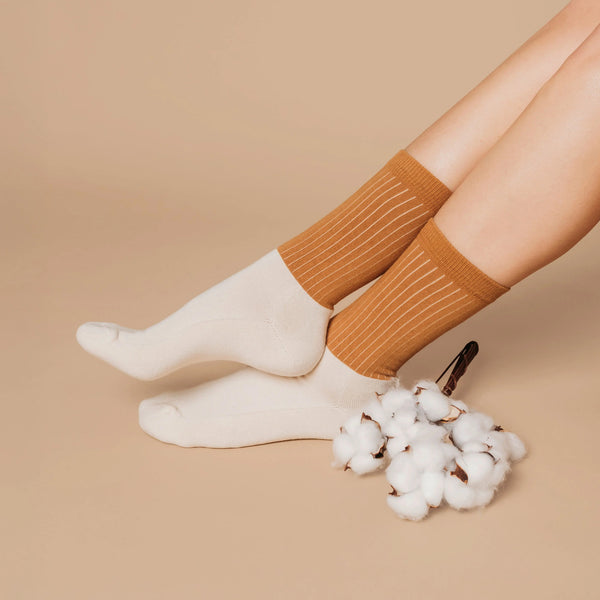
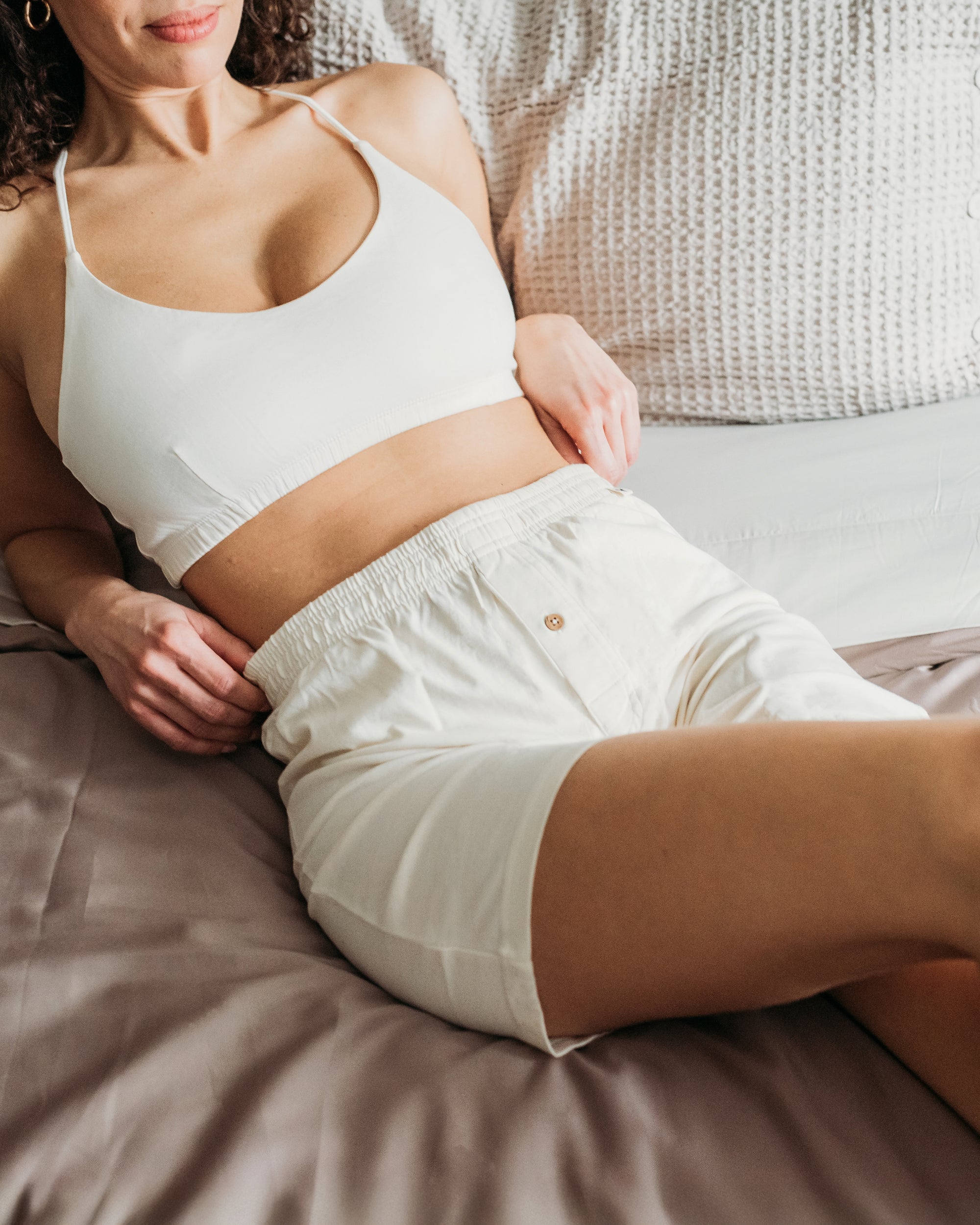
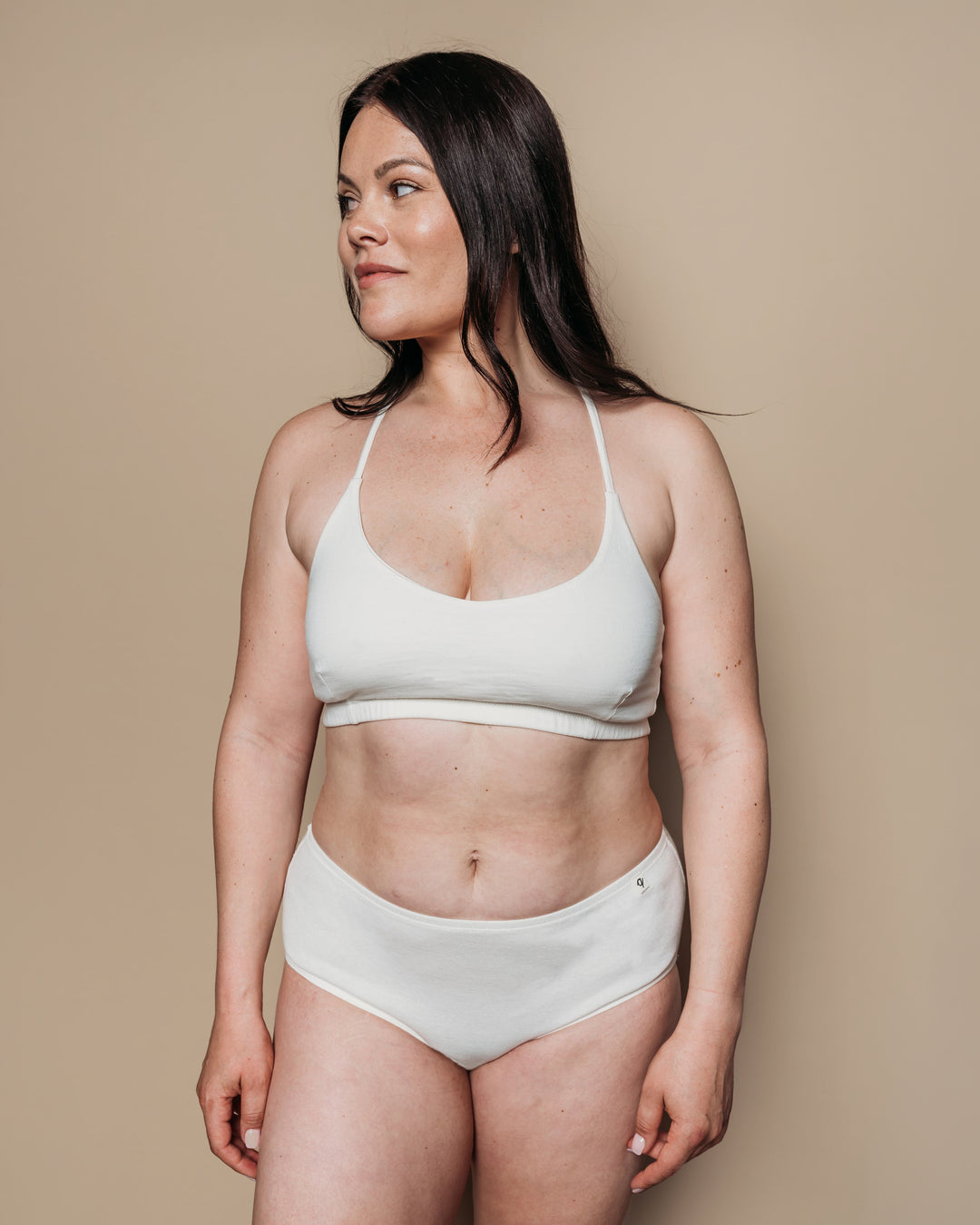
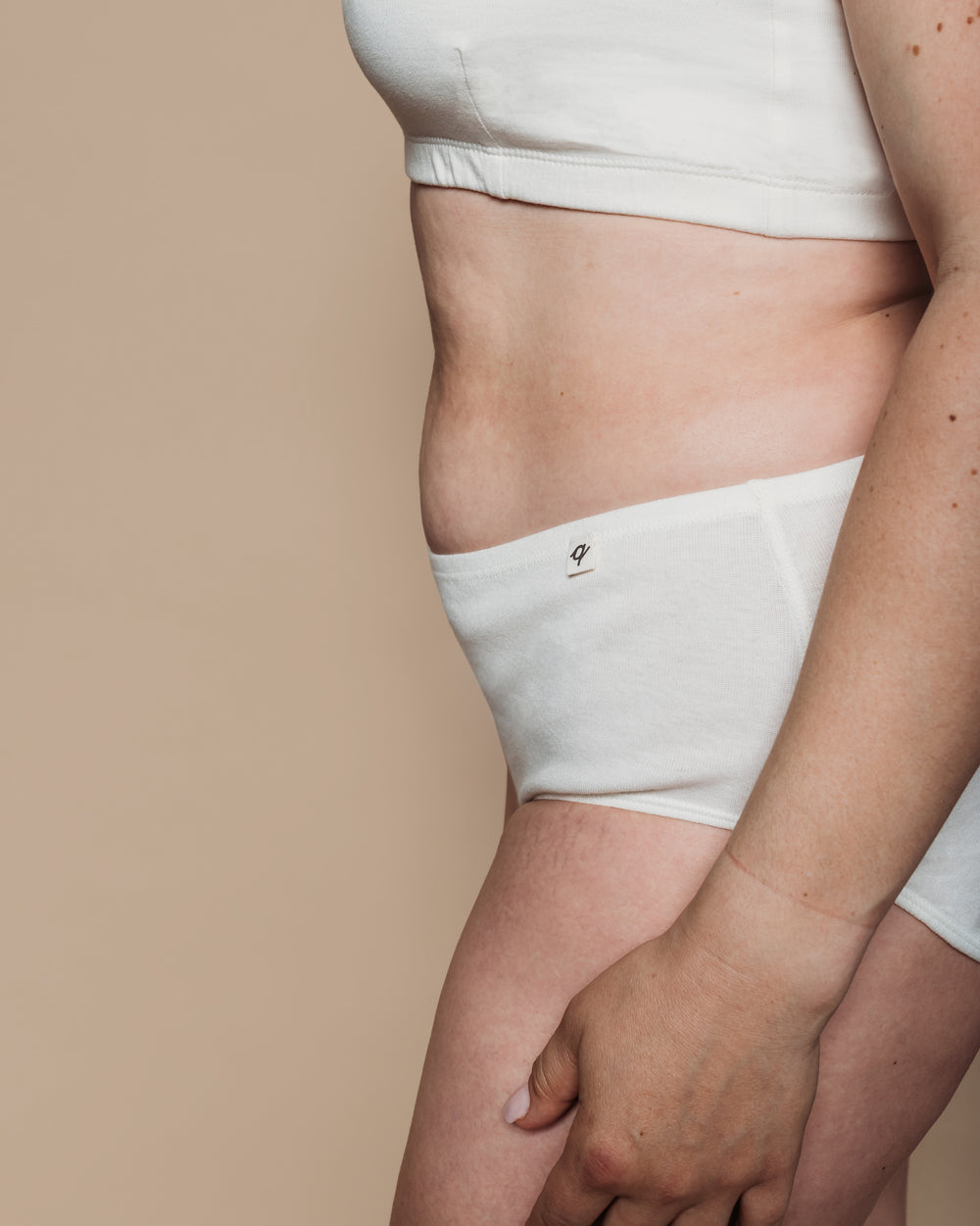
Every piece in our plastic-free collection is made of 100% GOTS certified organic cotton, sewn with organic cotton thread, and finished with natural rubber-cotton elastic instead of synthetic elastane. No microplastics, no BPA, no PFAS, no polyester hiding in the trims. Ethically produced in India and Portugal with a fully traceable supply chain from farm to finished garment.

Filter
    19 products
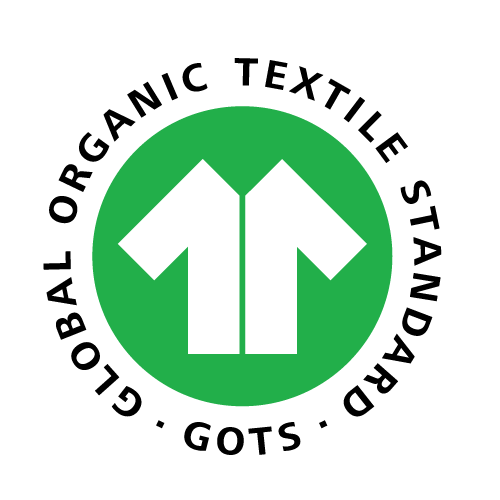
    GOTS logo on garment tag

    Why Choose GOTS Certified Organic Garments?

    GOTS (Global Organic Textile Standard) is the strictest organic certification for textiles, covering the entire supply chain, not just the cotton fibre. Here's what that means for the bras you wear every day:

    • No synthetic pesticides or fertilizers. Better for farmers, the environment, and your skin.
    • No harsh chemicals. No chlorine bleach, formaldehyde, or azo dyes used in dyeing or finishing.
    • Hypoallergenic and breathable. Soft on sensitive skin, with airflow that synthetics can't match.
    • Ethically made. Fair labour standards enforced from farm to finished garment.
    Shop Now

    Why Choose Organic Cotton Underwear?

    “Choosing plastic-free underwear means looking beyond the main fabric. Even products marketed as cotton can still contain synthetic thread, elastic, labels, and trims. We wanted to be transparent about every component and find natural alternatives wherever possible.

    That transition comes with real tradeoffs. Natural materials need to meet the same standards for durability, fit, comfort, and performance, and biodegradable options can still be harder and more expensive to source. We’ve already introduced organic cotton thread across the production of  several underwear styles, and most of our Pointelle Collection uses natural rubber and organic cotton elastic along with biodegradable trims. We’re also replacing synthetic labels and packaging with cotton care labels, paper, and other biodegradable materials.

    Our long-term goal is to create even more fully biodegradable essentials without compromising on quality, comfort, fit, or how long they last. It’s a gradual process, but every material we can replace brings us closer to underwear that is better for both your skin and the planet.”

    — Melita Cyril, Founder & CEO

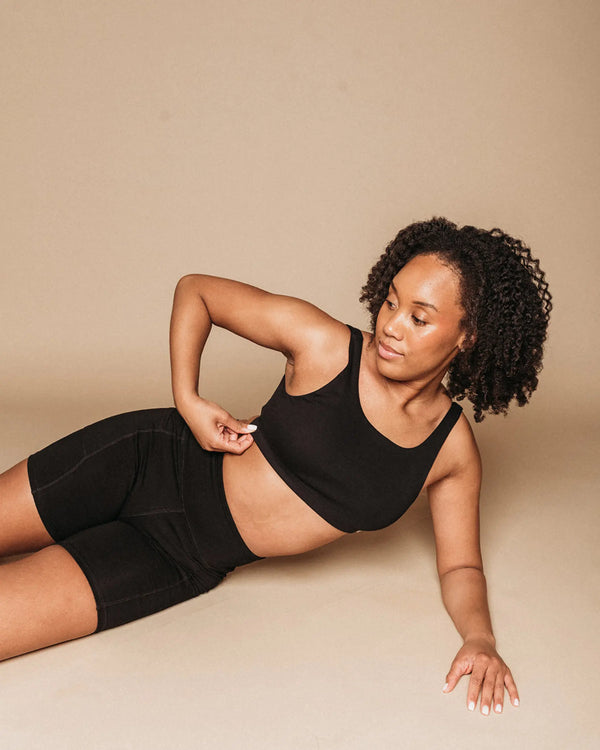
    Woman wearing Shelf Tank and Biker Shorts, doing dancer's pose.

    Frequently Asked Questions

    Helpful information about our plastic-free and biodegradable pieces.

    What is the best plastic-free underwear?

    The best plastic-free underwear is made from 100% natural fibres across every single component, including the fabric, thread, elastic, and packaging. Most brands marketed as "plastic-free" only remove synthetic fabric while keeping polyester thread or elastane elastic. When comparing options, check the trims specifically, not just the fabric composition.

    What underwear has no chemicals?

    Underwear made from GOTS certified organic cotton is the closest you can get to chemical-free. GOTS certification prohibits BPA, PFAS, formaldehyde, chlorine bleach, azo dyes, and other harmful finishes across the full supply chain. Undyed organic cotton takes it a step further by removing dyes entirely. For the cleanest option, look for GOTS certification and dye-free underwear options.

    What is the safest underwear to wear?

    The safest underwear is GOTS certified, made from 100% natural fibres, and free from synthetic dyes, elastic, and finishes. It should be breathable, hypoallergenic, and produced without harmful chemicals that can absorb through skin. For people with sensitive skin, eczema, or chemical sensitivities, plastic-free organic cotton underwear with natural rubber elastic and no dyes is the safest choice available.

    Can you absorb microplastics through clothing?

    Research is still developing, but studies have detected microplastic particles in human blood, lungs, and other tissues, with clothing identified as one of the sources. Microplastics shed from synthetic fabrics through friction and washing, and can be absorbed through skin contact, especially when you sweat. Natural fibres like organic cotton, wool, and linen don't shed microplastics.

    Do 100% cotton clothes have microplastics?

    Only if they're truly 100% cotton across every component. Many garments labelled "100% cotton" refer only to the outer fabric, while the thread, elastic, waistband, or lining still contain polyester or elastane. To be genuinely microplastic-free, a garment needs 100% natural fibres in the fabric and every trim, plus natural dye or no dye. Check the full materials list, not just the front label.

    What is the most non-toxic clothing?

    The most non-toxic clothing is GOTS certified organic cotton, linen, or wool, made without synthetic dyes, chemical finishes, or plastic-based trims. GOTS is the strictest global certification and covers the entire supply chain, from farming to finished garment. For maximum safety, choose undyed or plant-dyed pieces from brands that list every component openly, including thread and elastic.

    Do gynecologists recommend cotton or bamboo underwear?

    Gynecologists widely recommend cotton over bamboo because bamboo fabric (bamboo viscose or rayon) is heavily chemically processed, often using sodium hydroxide and carbon disulfide to convert plant material into fabric. Cotton, especially organic cotton, is far less processed and doesn't carry those chemical residues. Cotton is also naturally breathable and hypoallergenic, which helps maintain vaginal health.

    How long does biodegradable underwear take to break down?

    Under home composting conditions, 100% organic cotton typically breaks down in 3 to 5 months. Natural rubber breaks down more slowly, usually within 1 to 2 years. Compare that to polyester and elastane, which can take 200+ years and continuously shed microplastics as they degrade.

    Is natural rubber elastic as durable as polyester-elastane?

    It behaves differently, but with proper care, it lasts just as long. It relaxes slightly while you wear it and recovers between wears. Avoid the dryer and high heat, which can degrade rubber faster than synthetic materials.

    How do I care for my biodegradable underwear?

    Wash cold on a delicate cycle with mild detergent. Air dry flat when possible, or tumble dry on low. Avoid bleach, fabric softeners, and hot dryers, which break down natural fibres and rubber elastic faster than synthetic materials. Skip fabric softeners entirely, as they coat the fibres and reduce breathability.

    Will you expand this collection?

    Yes. We're gradually rolling out biodegradable versions across more of our styles. We'd rather grow this collection slowly and get every piece right than launch a "plastic-free" claim we can't fully back up. Sign up for our newsletter to hear about new pieces as they launch.