


Organic cotton sports bras are becoming increasingly popular within sustainable activewear because they address two common concerns linked to conventional gym wear: synthetic fabrics made from petroleum and growing questions about the chemicals used in textile production. They offer a breathable, lower-plastic alternative for women who want workout clothing that feels comfortable against the skin and aligns with more responsible purchasing habits.
Terms such as moisture-wicking, sweat-proof, and high-performance once dominated activewear marketing. Today, many consumers are asking more detailed questions: What is the garment made from? Has it been independently tested? Does the brand disclose its supply chain? Will the fabric shed plastic fibres when washed?

Why Conventional Sports Bras Raise Skin and Health Concerns
Synthetic fabrics may feel smooth, but they can also retain heat and odour. Some garments receive additional treatments intended to provide anti-odour, stain-resistant, water-resistant, or moisture-management properties. PFAS, for example, have historically been used in some textile treatments because they resist water, oil, and stains.
Most conventional sports bras are made from polyester, nylon, and spandex. These synthetic fibres are popular because they are stretchy and quick-drying, but they can be less comfortable during long workouts because they sit tightly against warm, sweaty skin.
This matters for several reasons:
-
Synthetic fabrics can trap heat and moisture, which may increase friction, irritation, skin allergies and discomfort.
-
Many sports bras are treated with azo dyes, anti-odour finishes, or moisture-wicking chemicals that are not always clearly disclosed.
-
In 2022 and 2023, the Center for Environmental Health reported elevated BPA levels in some polyester and spandex sports bras from major brands such as Alo Yoga, Activ Pro, Amazon Essentials, Outdoor Voices, WilsonJust Be, Patagonia etc.
-
Tight fit, sweat, and prolonged skin contact make the sports bra one of the most important activewear items to check carefully.
This does not mean every synthetic sports bra is unsafe. It does mean that fibre composition, chemical treatments, and third-party testing matter.
BPA is commonly associated with plastics and is used in certain manufacturing processes. Women who want to understand the issue in more detail can read Q for Quinn’s guide to BPA in sports bras.
Colouring methods matter as well. Harsh or poorly controlled dyes can contribute to irritation for some wearers, particularly when sweat and friction are involved. Understanding the role of natural dye bras can make it easier to evaluate skin-friendly options, while those ready to avoid added colour treatments altogether can shop Q for Quinn’s undyed bra collection.
Choosing a non-toxic sports bra is therefore not simply about following a wellness trend. It is about asking for greater transparency around a garment worn directly against the body, often several times a week.

Does Organic Cotton Actually Work for a Sports Bra?
The most common objection to organic cotton activewear is performance. Can a natural fibre provide enough breathability, stretch, and support for exercise?
For many activities, it can.
Cotton is naturally breathable and absorbent. Instead of causing moisture to sit on the surface of the skin, it can absorb sweat into the fibre. This can make an organic cotton sports bra particularly comfortable for yoga, Pilates, walking, stretching, strength training, and everyday movement.
However, the word “organic” alone is not enough. A bra may be advertised as organic cotton while still containing hidden synthetic fibres, conventional elastic, or chemical treatments that are not clearly disclosed. Q for Quinn explains this issue in its guide to hidden fibres in organic cotton bras.
Because cotton does not naturally stretch, most sports bras include a small amount of elastane for support. The key is to look for independently certified materials rather than relying on vague claims such as natural or eco-friendly.
Two certifications are especially useful:
-
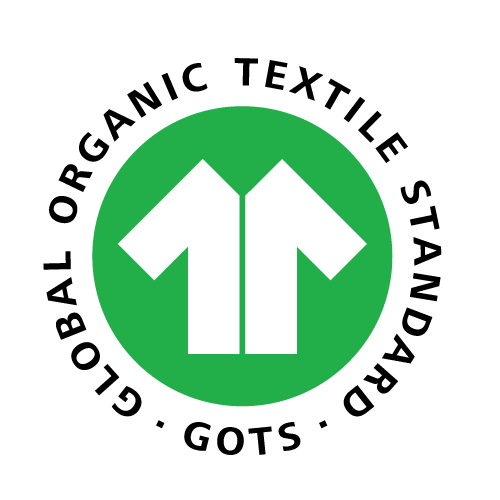
GOTS certification confirms that organic fibres meet recognised environmental and social requirements throughout textile processing. Certified manufacturers can also be checked through the official GOTS database.
-
OEKO-TEX Standard 100 tests textile components and finished garments for a wide range of potentially harmful substances. Certification numbers can be verified using the official OEKO-TEX label check.
To choose the best material for a sports bra, look for breathable fabrics that feel comfortable during movement and avoid unnecessary treatments where possible. For women who are especially mindful of fabric finishes and chemical exposure, chemical-free bras can offer a more considered alternative.
Why Organic Sports Bras Are Becoming More Popular
The growth of sustainable activewear reflects a wider change in consumer priorities. People are extending “clean label” expectations beyond food and skincare and applying them to clothing, bedding, and other products used every day.
The sustainable-fashion platform Good On You highlights a range of environmental and labour concerns connected with activewear, including synthetic materials, microplastic shedding, and manufacturing transparency.
Consumers want fiber percentages, recognized certifications, named factories, information about dyes, and evidence of responsible production.
Organic cotton sports bras fit naturally within this shift because they offer a relatively simple change. A woman does not have to replace her entire wardrobe at once. She can begin with one frequently worn item that has prolonged contact with her skin.
Buying Organic Cotton Sports Bra: What to Look For
Start by checking the complete fibre composition. A product described as an organic cotton bra may contain a large percentage of polyester or nylon. A small amount of elastane may be necessary for support, but the brand should clearly disclose it.
Look for GOTS certification covering the organic textile supply chain and OEKO-TEX Standard 100 testing for the finished garment or its components. Certification details should be verifiable rather than presented as an unexplained logo.
Consider these practical points:
-
Check the percentage of organic cotton and any additional fibres.
-
Look for a verifiable GOTS or OEKO-TEX certification.
-
Choose brands that name their manufacturing countries or facilities.
-
Be cautious of “anti-odour,” “stain-resistant,” and “moisture-wicking” claims when no treatment or certification is identified.
-
Review washing instructions, as proper care can extend the garment’s life.
-
Prioritise fit, because even the most sustainable material will not perform well in a poorly fitting bra.
Women ready to make the switch can explore Q for Quinn’s collection of organic cotton sports bras, browse the Move Naturally by Quinn organic active collection, or pair an organic sports bra with organic active underwear.
Frequently Asked Questions
What is an organic sports bra?
An organic sports bra is made primarily from certified organic fibres, usually organic cotton. A well-designed option should disclose its complete fibre composition and use only the amount of elastane required for stretch and support. GOTS certification provides stronger assurance that the organic fiber has been processed according to recognized environmental and social standards.
Is organic cotton good for working out?
Yes, particularly for yoga, Pilates, walking, strength training, stretching, and other low- or medium-impact activities. Organic cotton is breathable, soft, and absorbent. For high-impact exercise, look for a supportive design that combines organic cotton with a small amount of tested elastane.
Why are some conventional sports bras a concern?
Many are made primarily from petroleum-based synthetic fibres that can shed microplastics during washing. The Center for Environmental Health has also reported elevated BPA levels in some tested polyester and spandex sports bras. This does not apply equally to every product, but it highlights the value of material disclosure and independent testing.
What certifications should a sustainable sports bra have?
GOTS and OEKO-TEX Standard 100 are two of the most useful certifications to look for. GOTS covers organic textile processing and supply-chain requirements, while OEKO-TEX Standard 100 tests textile products and components for a wide range of potentially harmful substances.
Is a BPA-free sports bra always organic?
No. A BPA-free sports bra may still be made from polyester, nylon, or other synthetic fibres. “BPA-free” refers to one chemical concern, while “organic” relates to how the natural fibre was grown and processed. The strongest option combines transparent fibre content with recognised third-party certification.
Are organic sports bras more expensive?
They can have a higher initial price because certified fibres, responsible manufacturing, independent testing, and quality construction cost more. However, a durable sports bra that keeps its shape and remains comfortable over time may offer better value per wear than a cheaper garment that requires frequent replacement.



Leave a comment