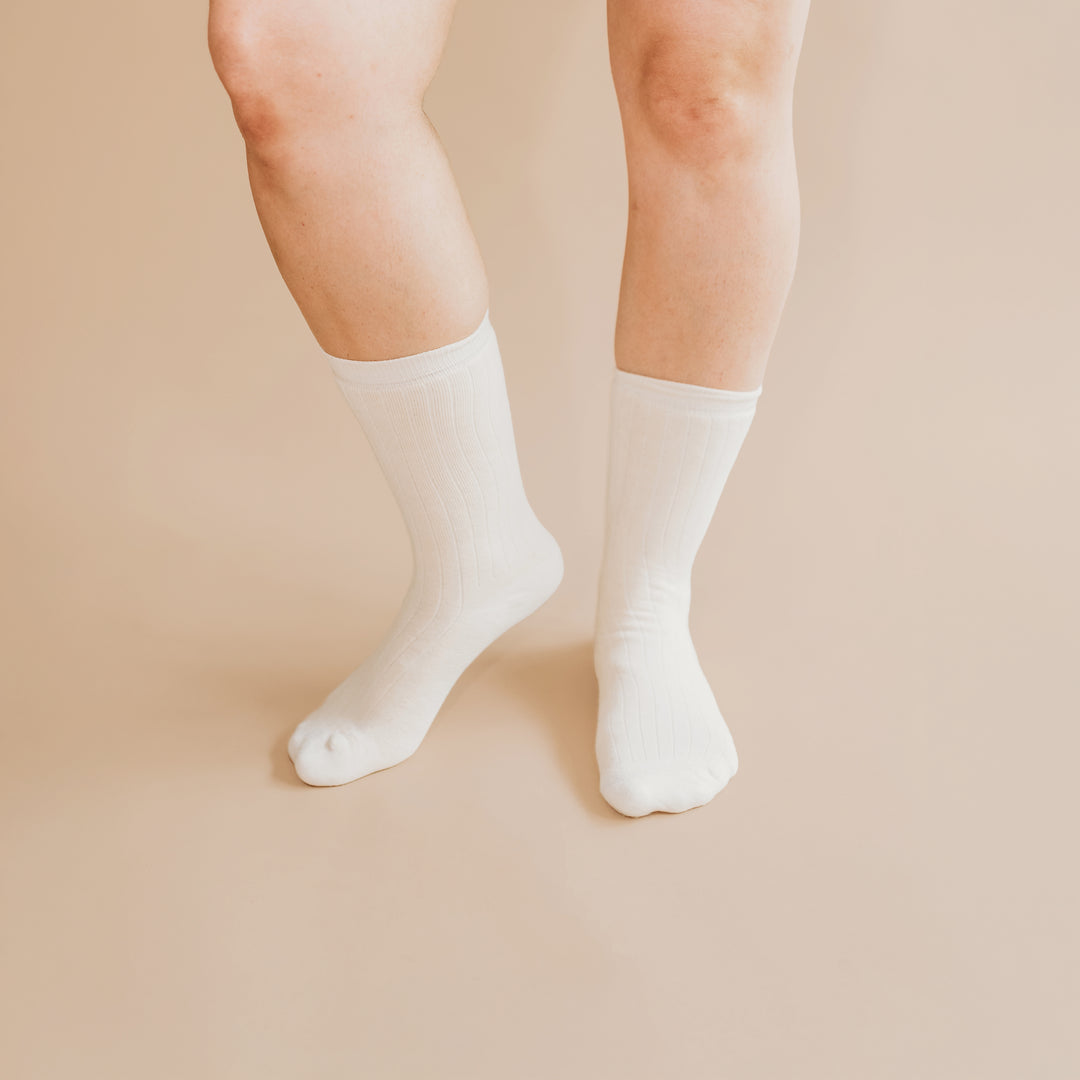
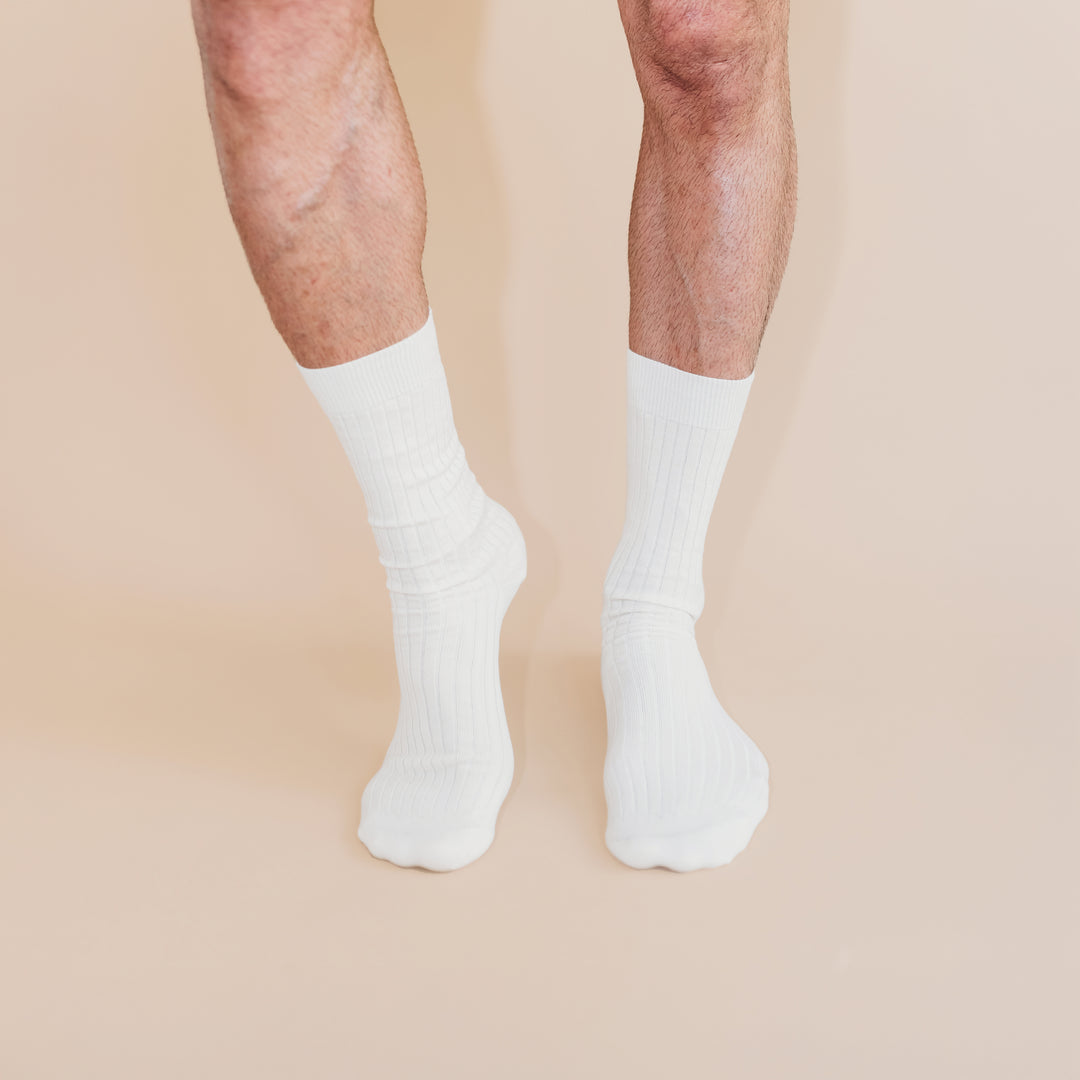
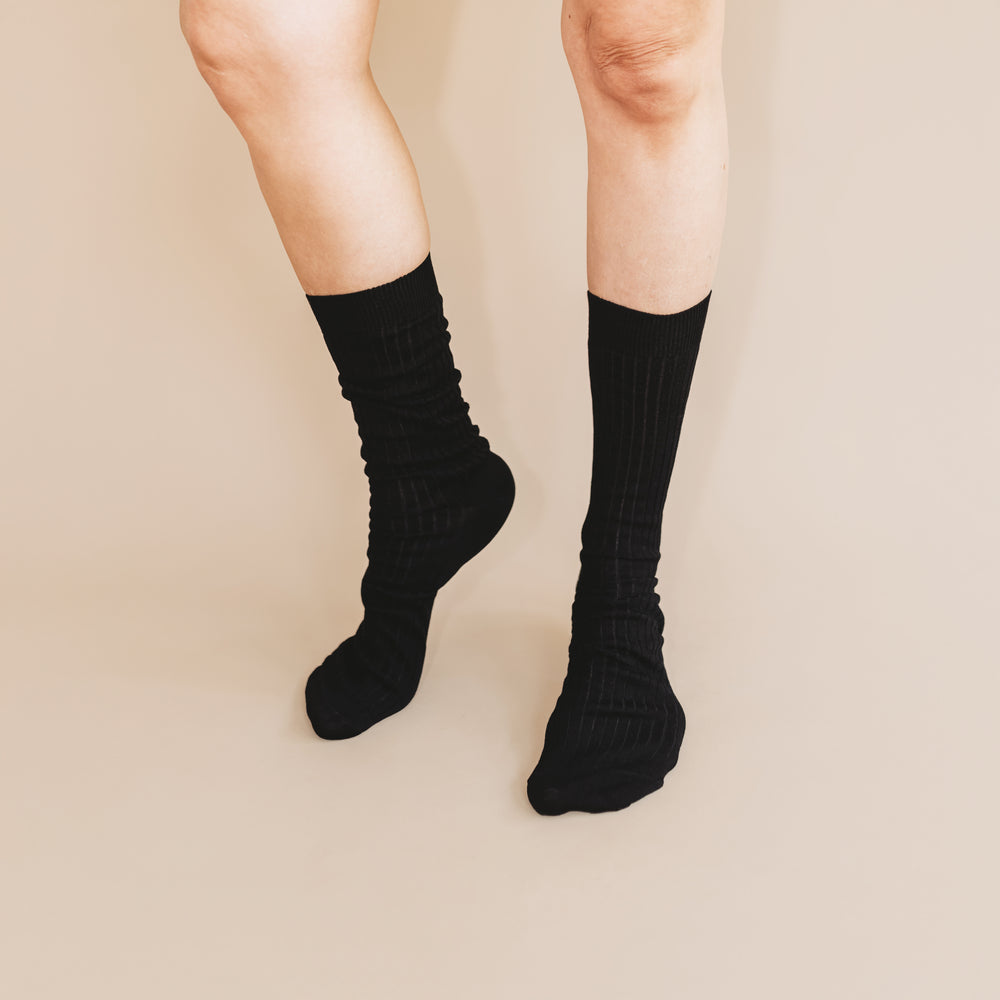
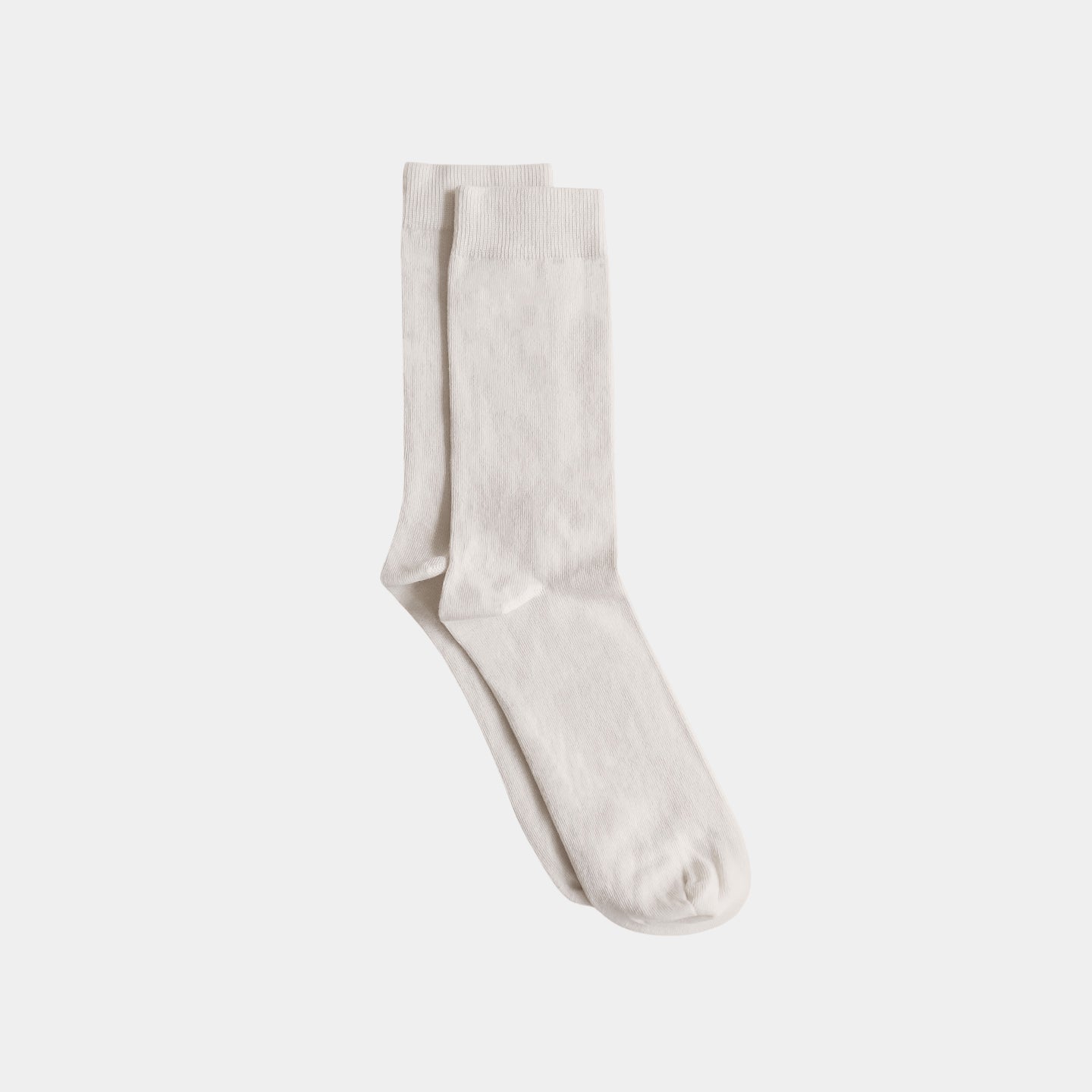
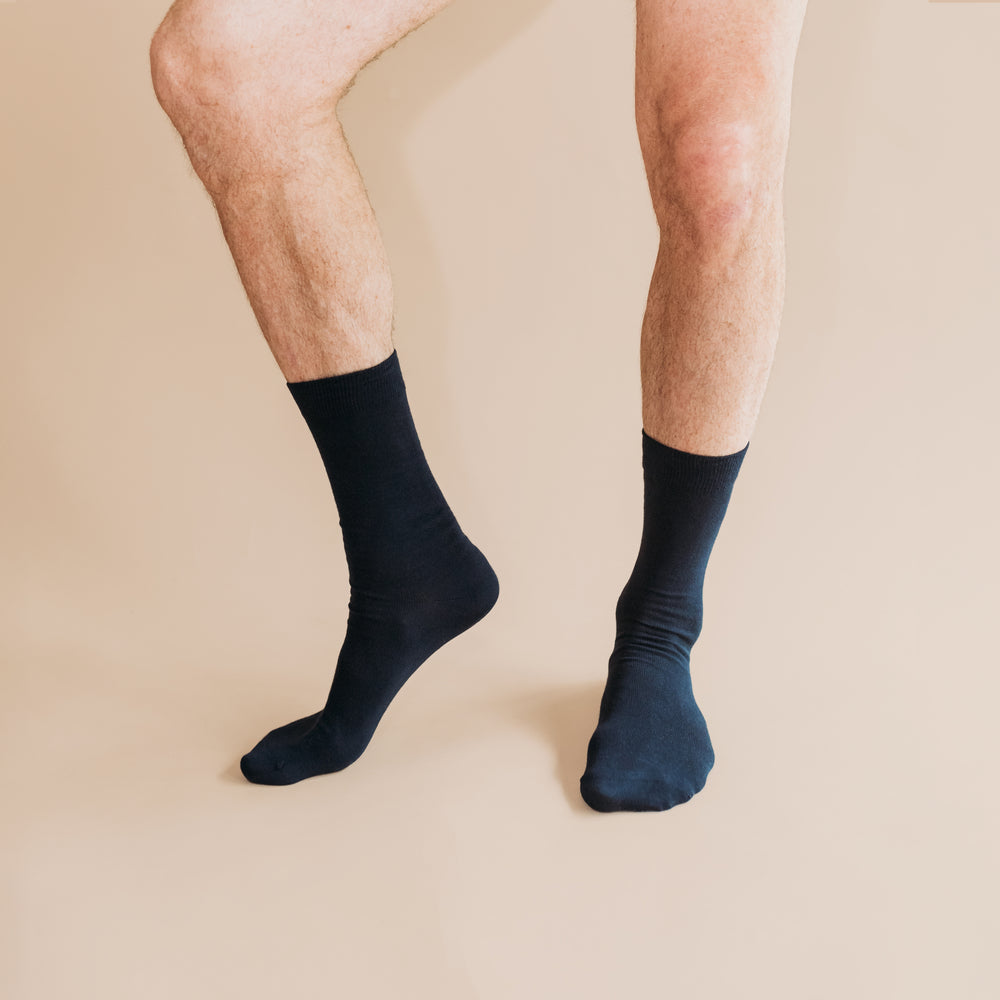
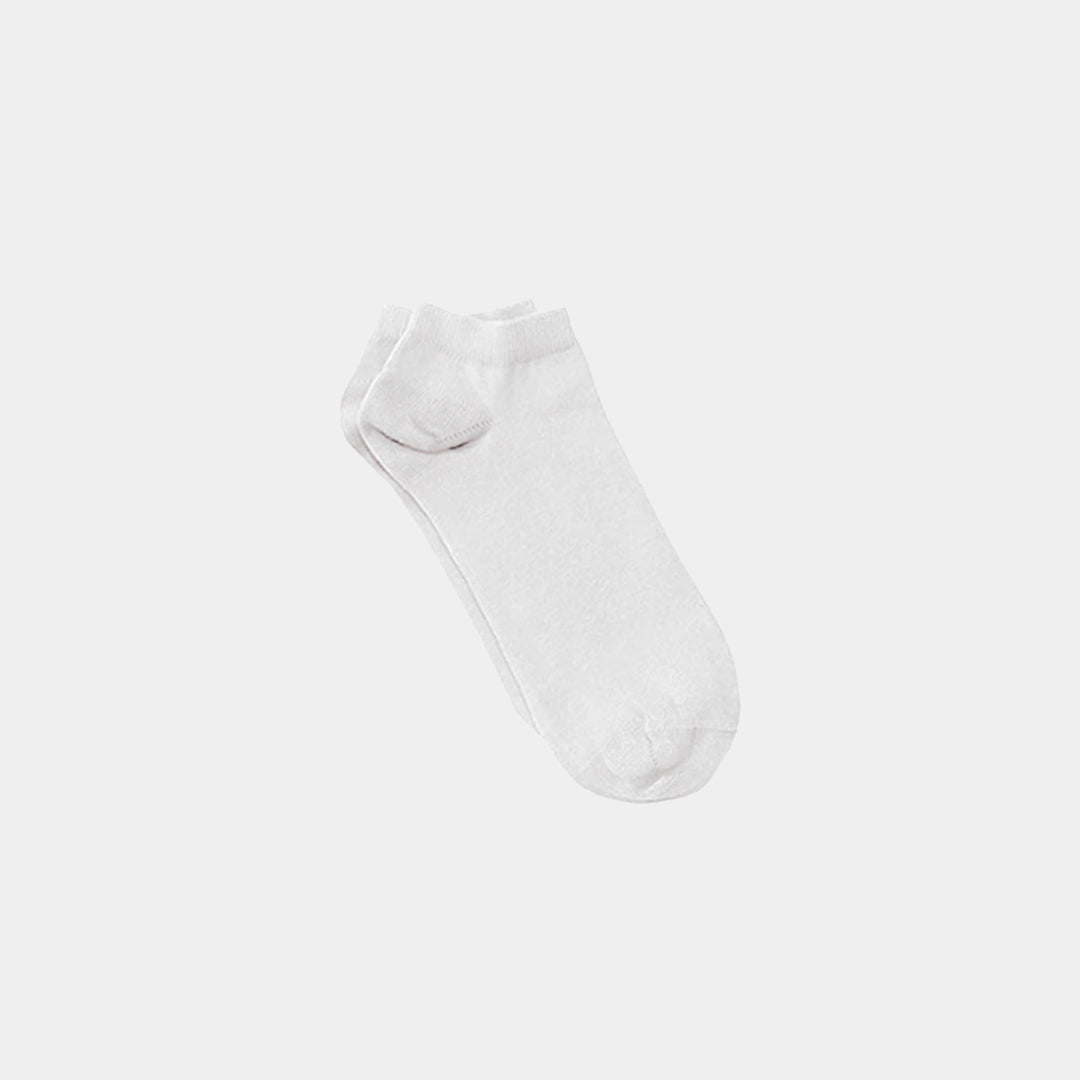
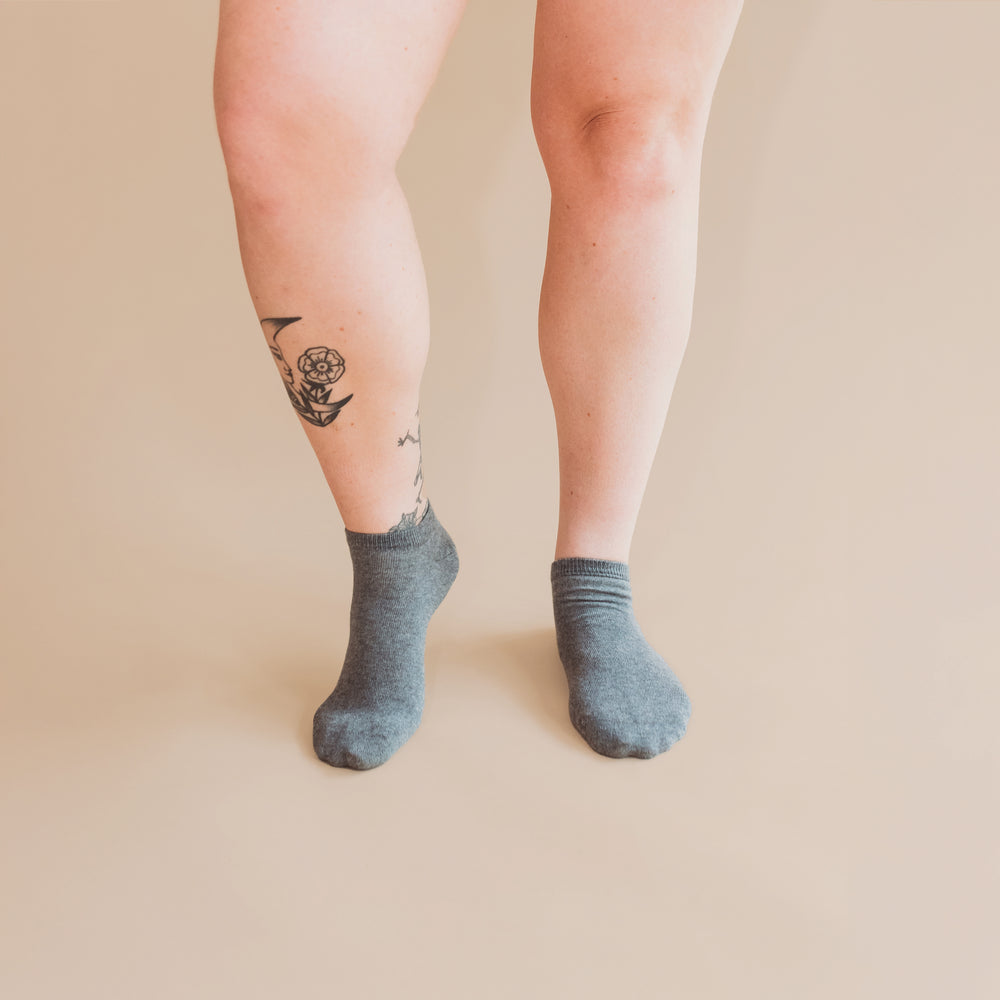
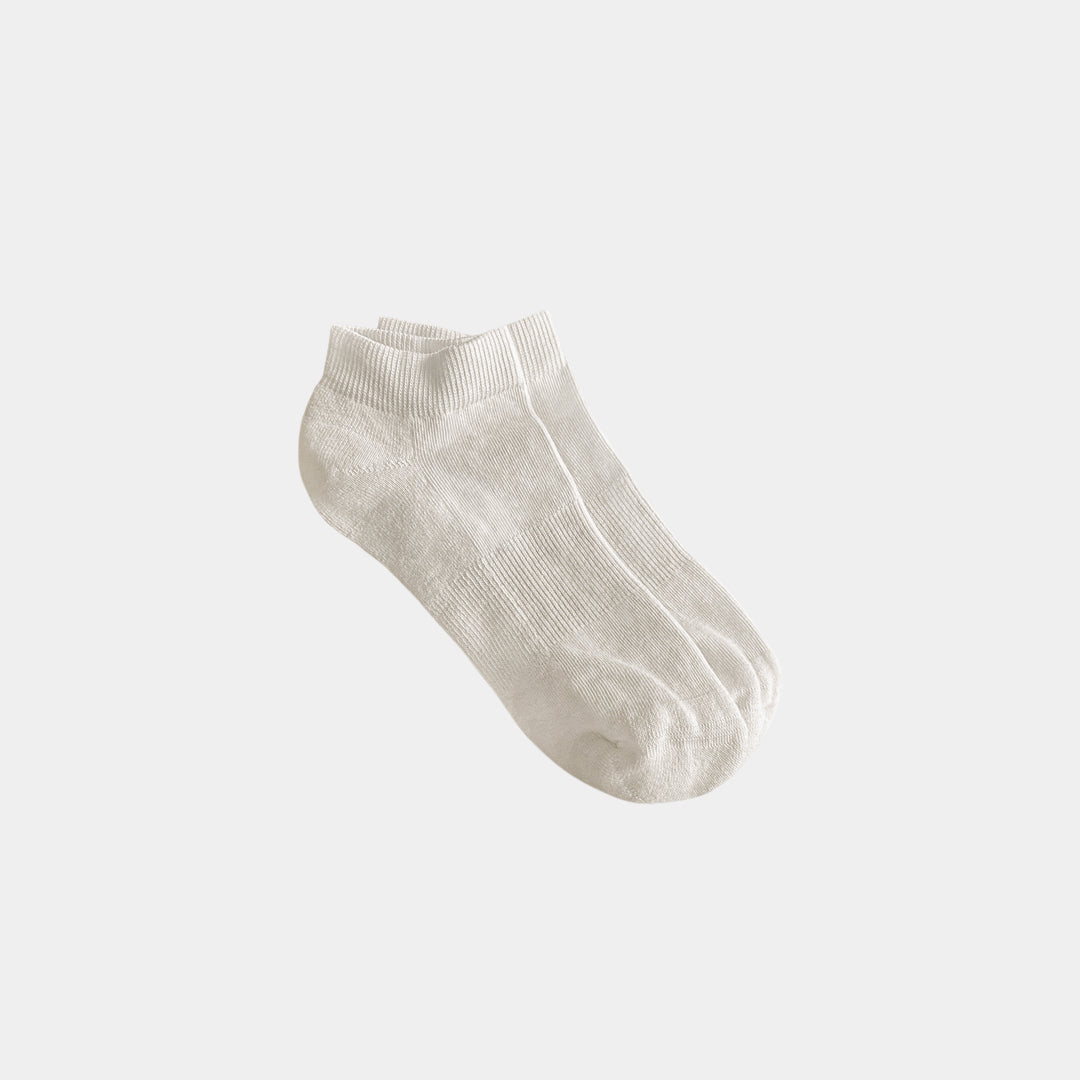
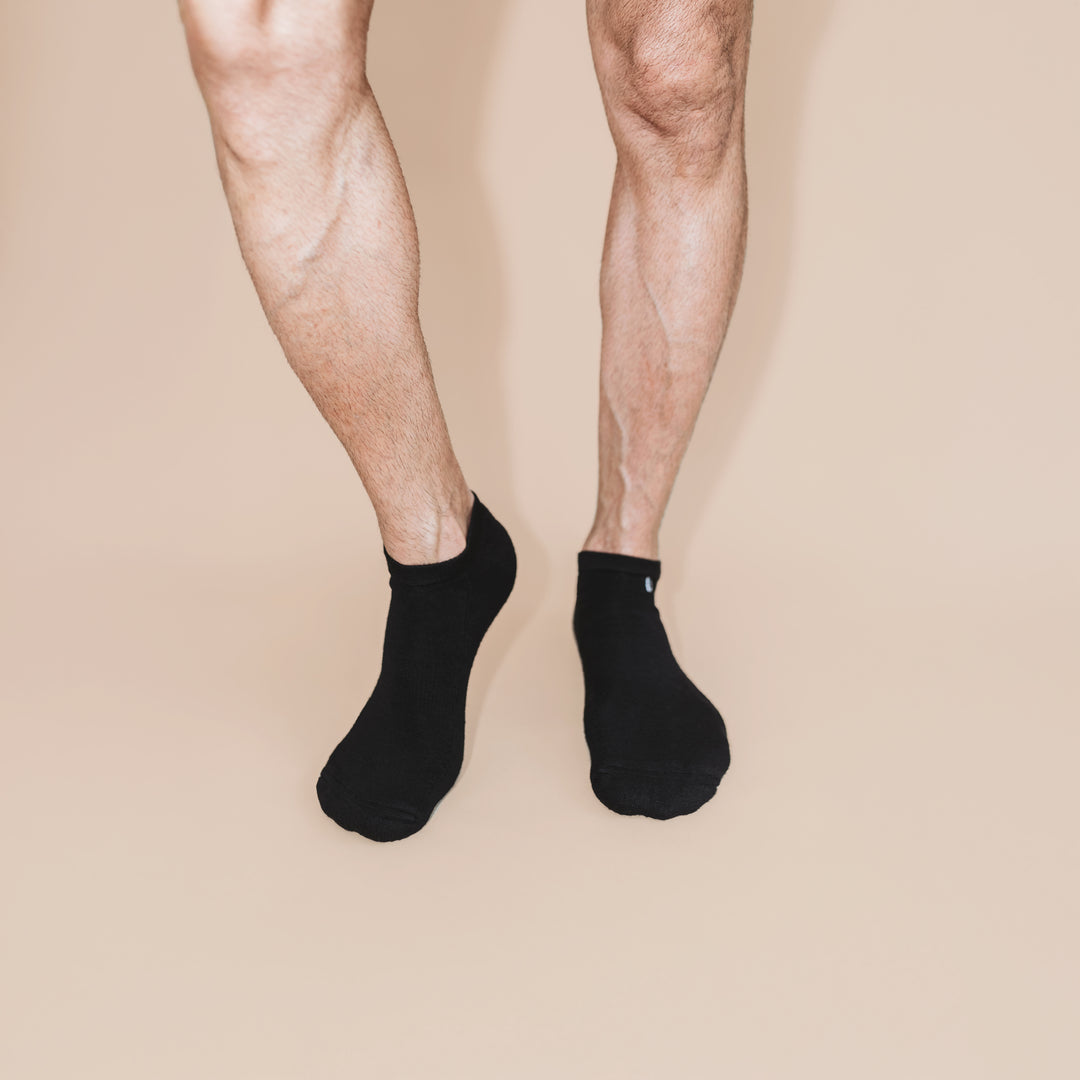
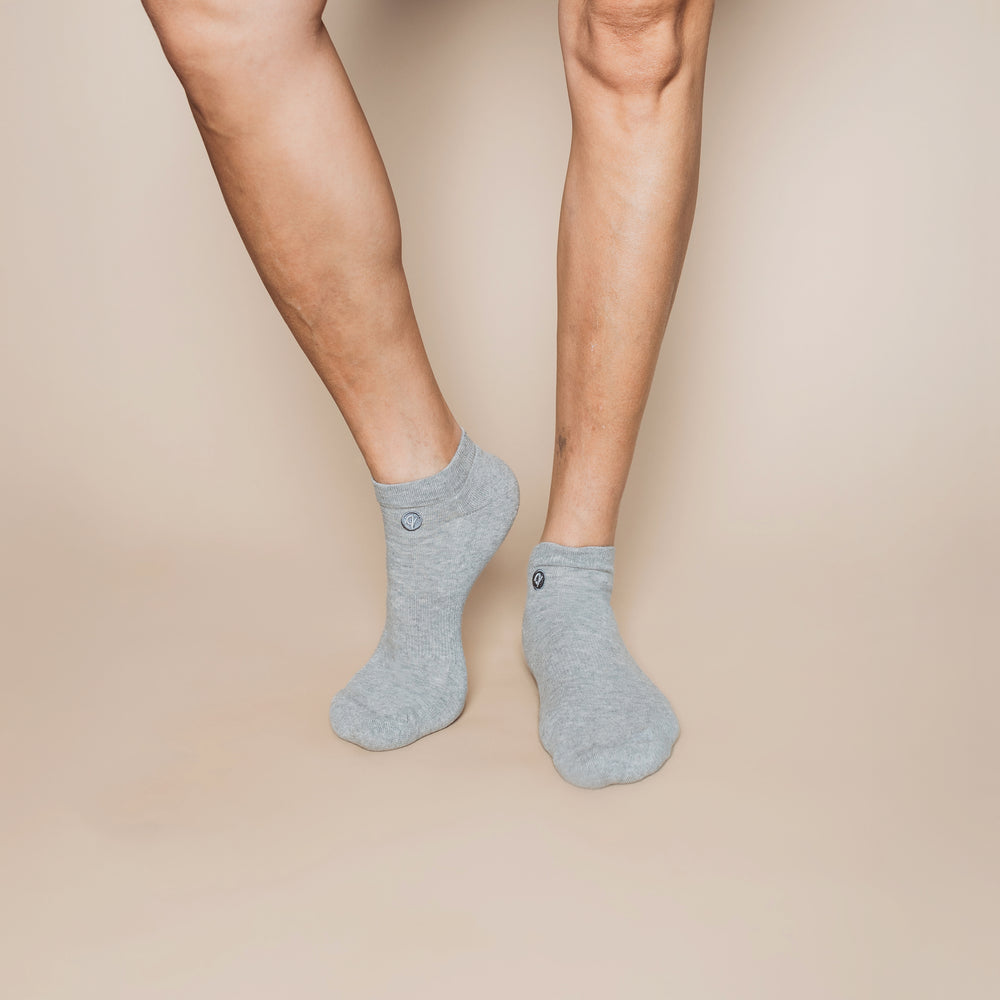
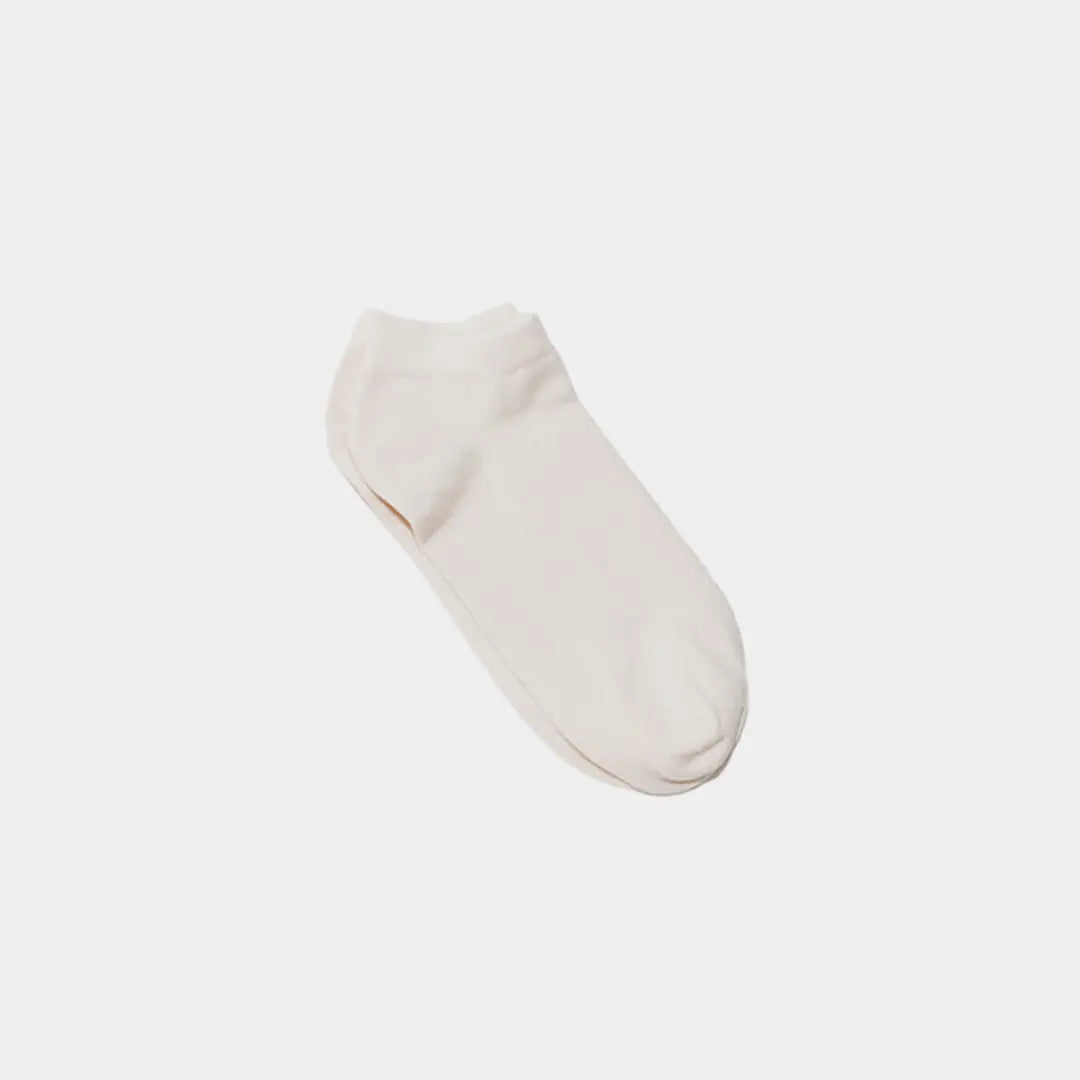
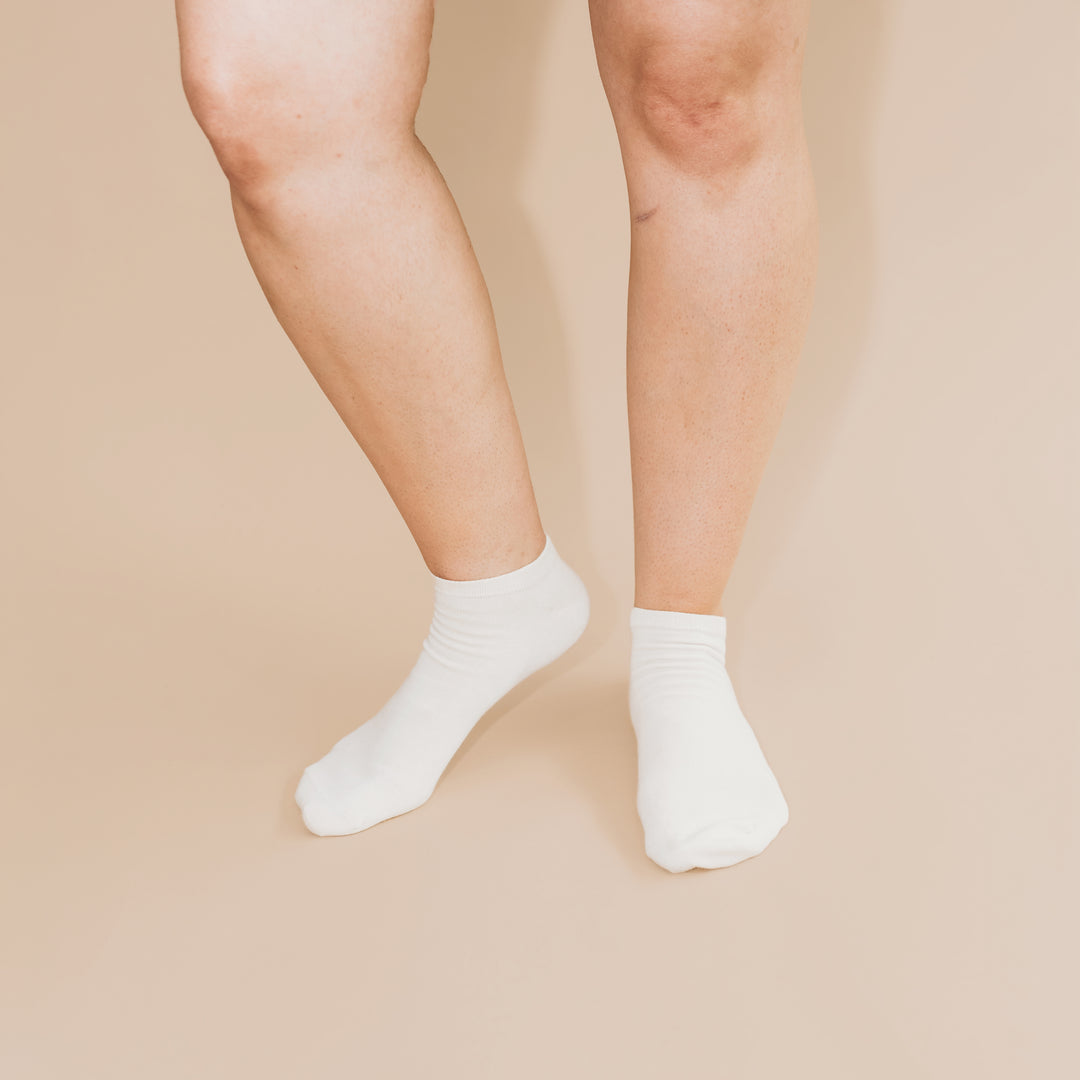
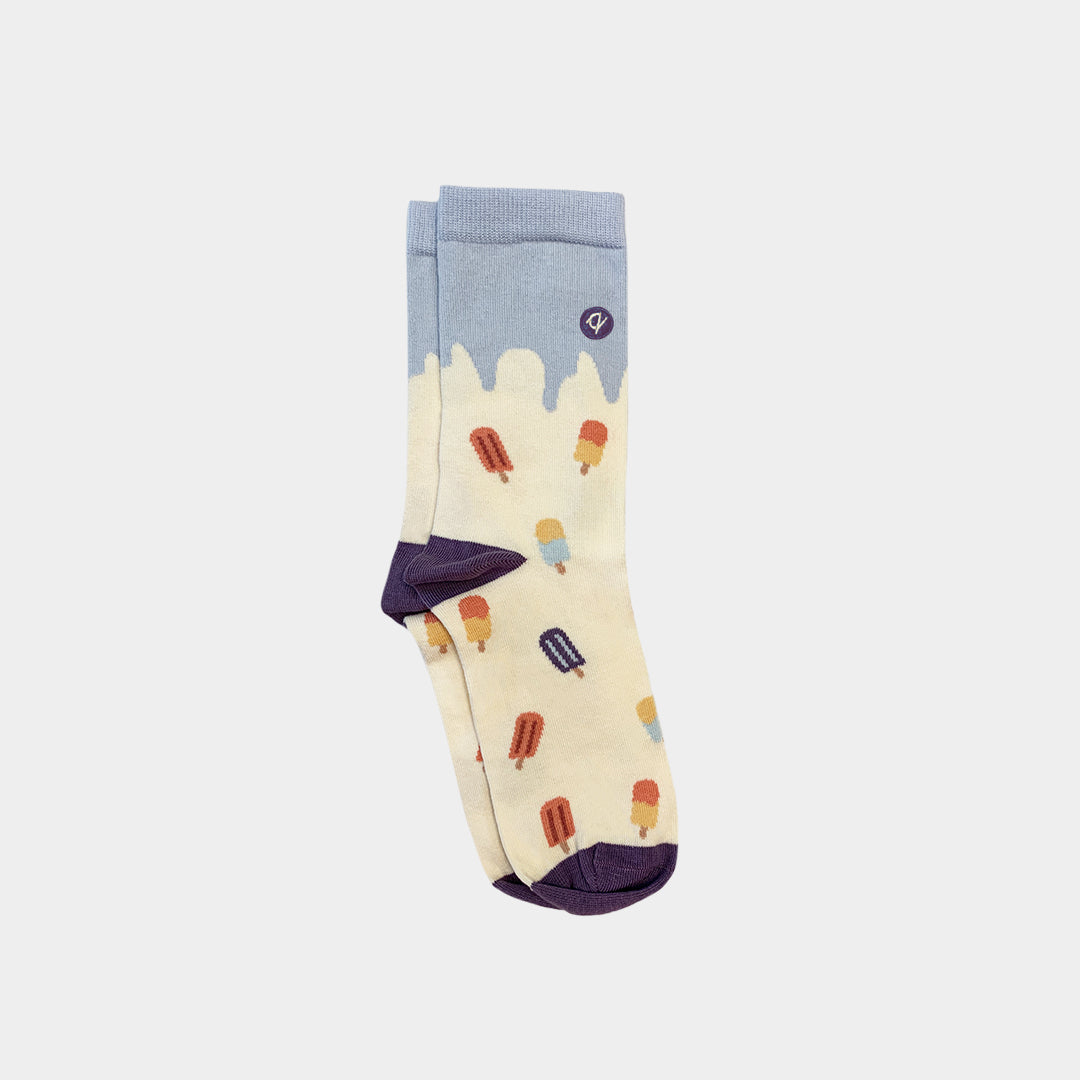
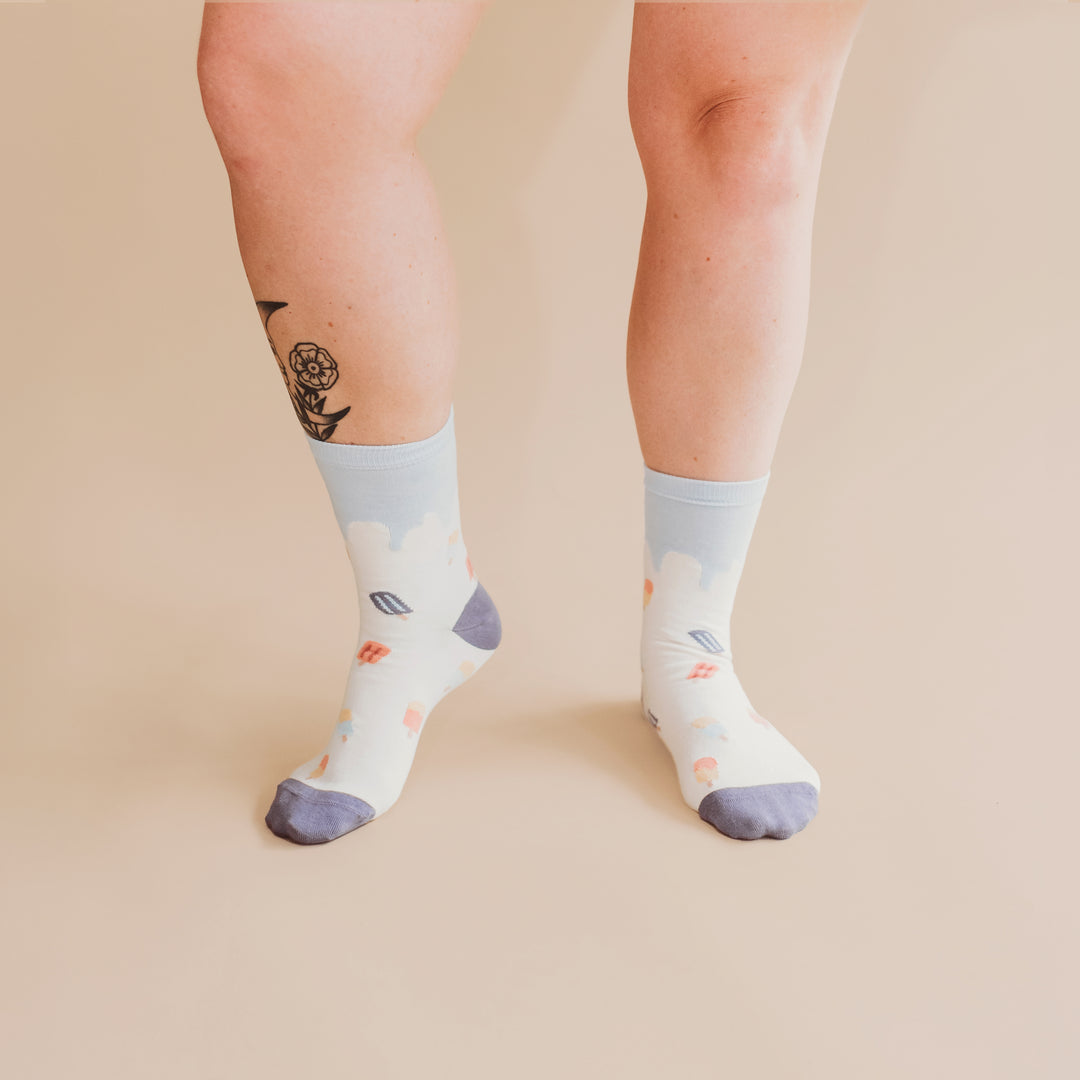
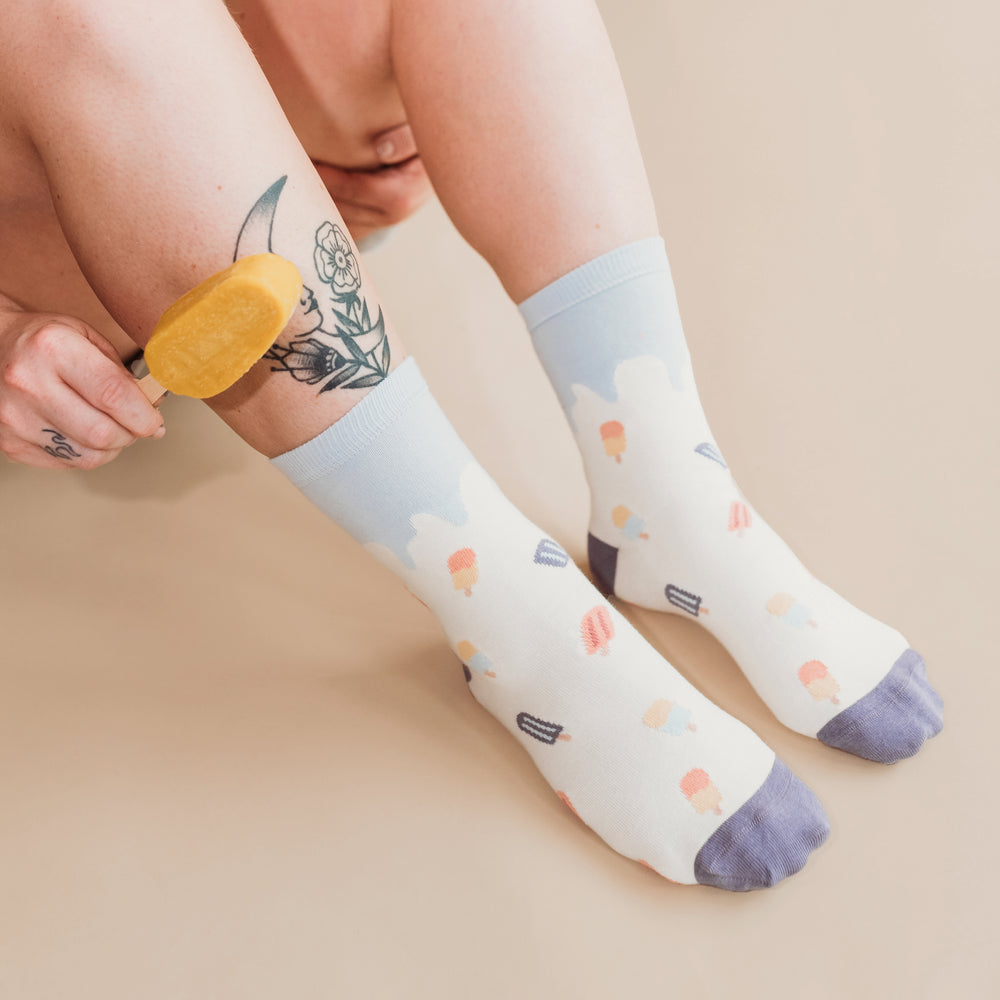
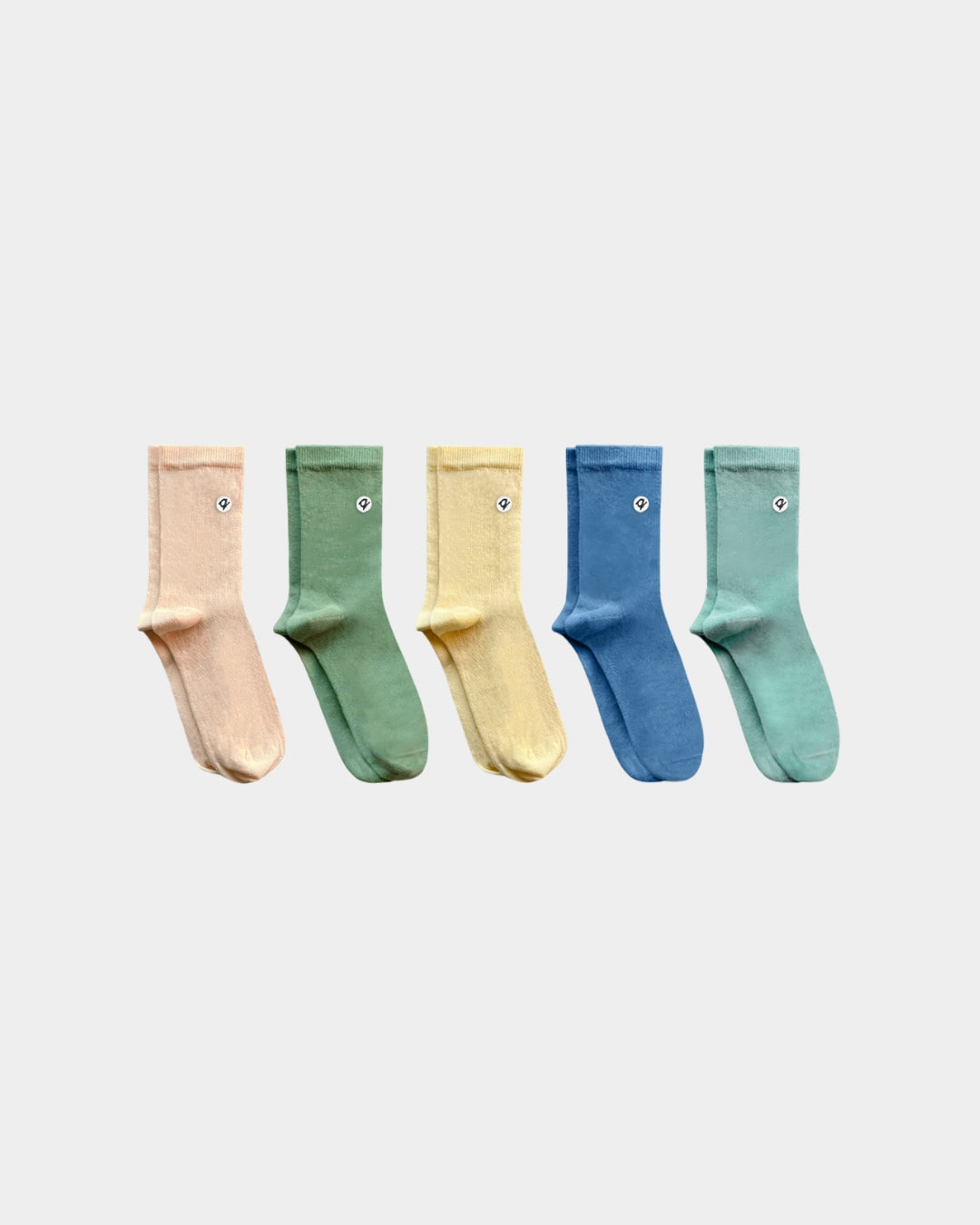
100% Cotton Socks & Organic Cotton Blends

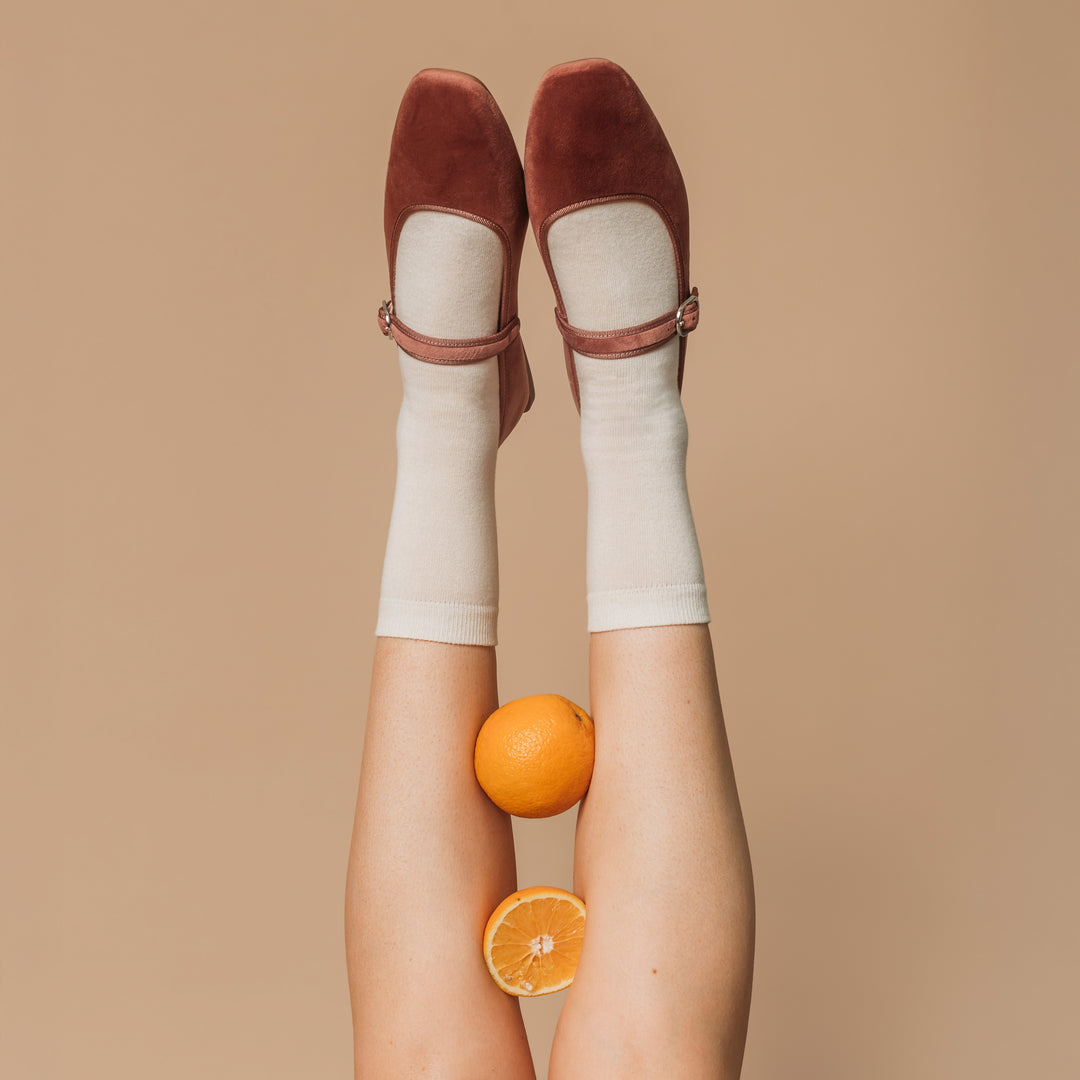
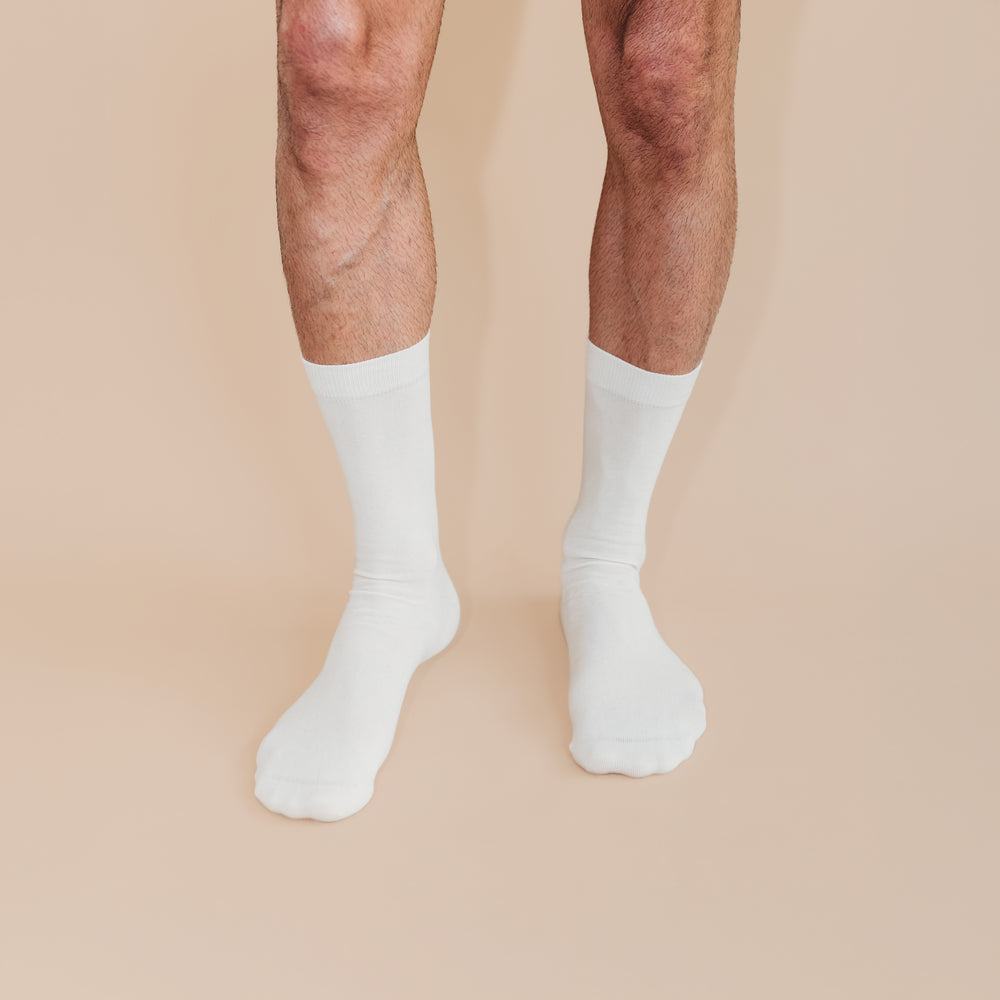
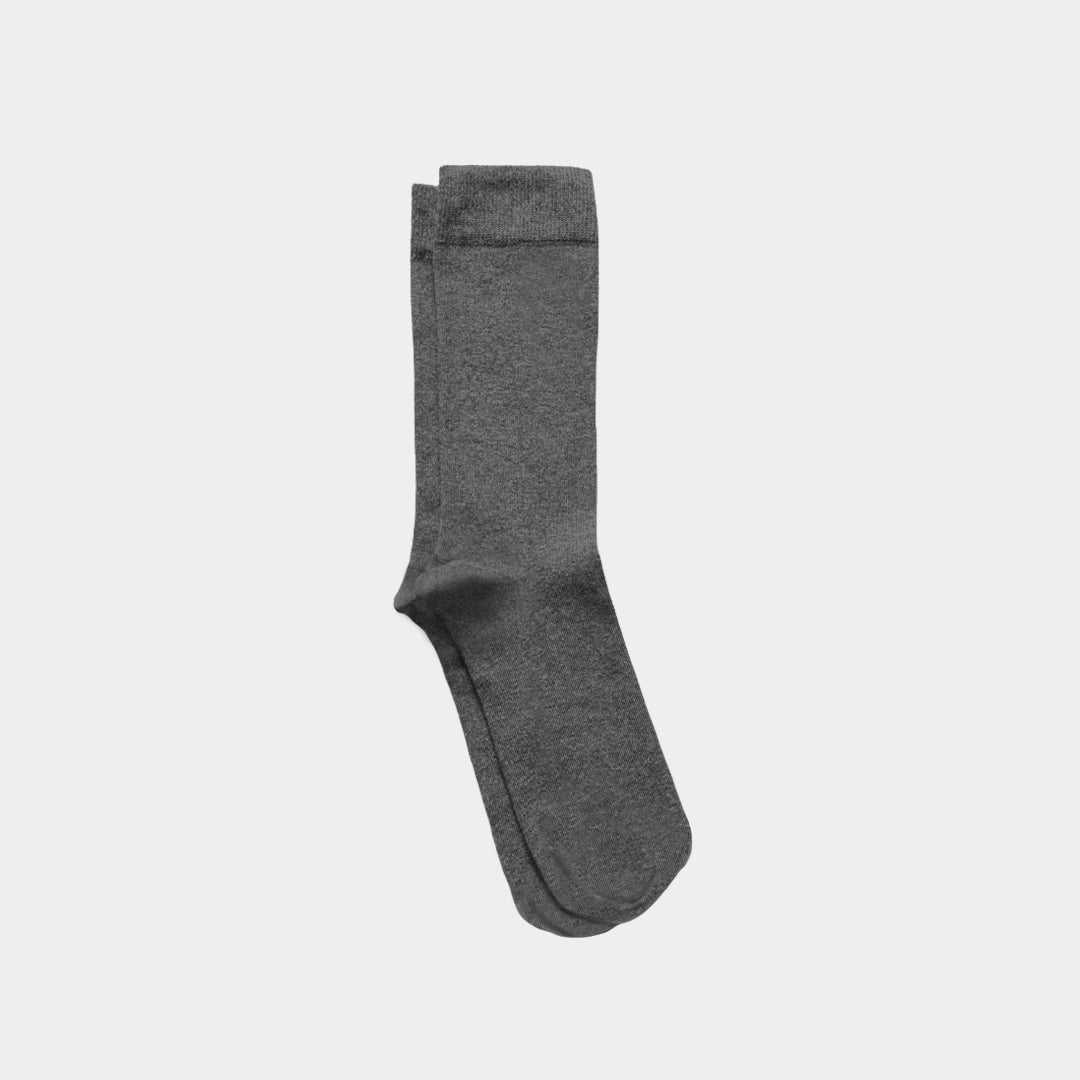
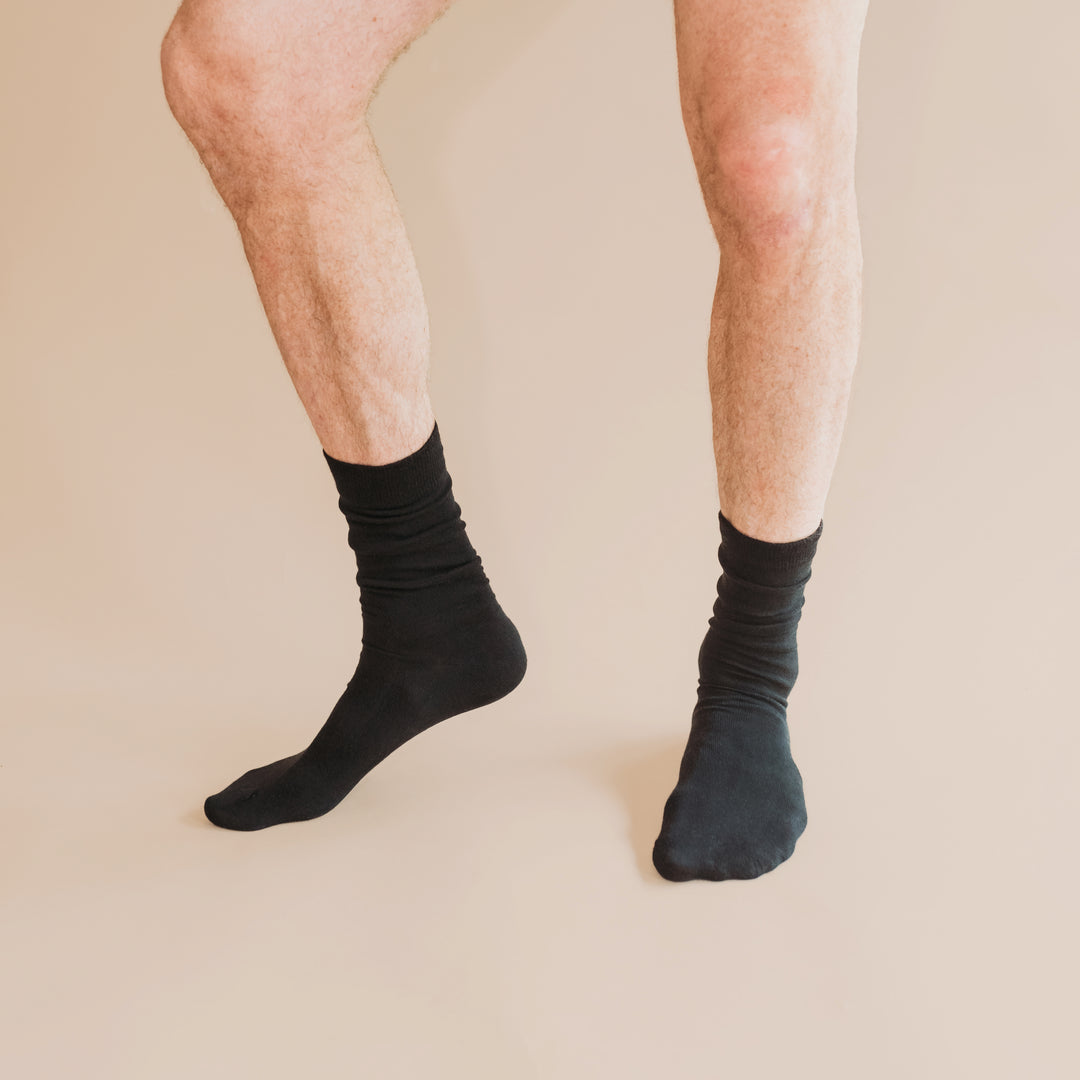
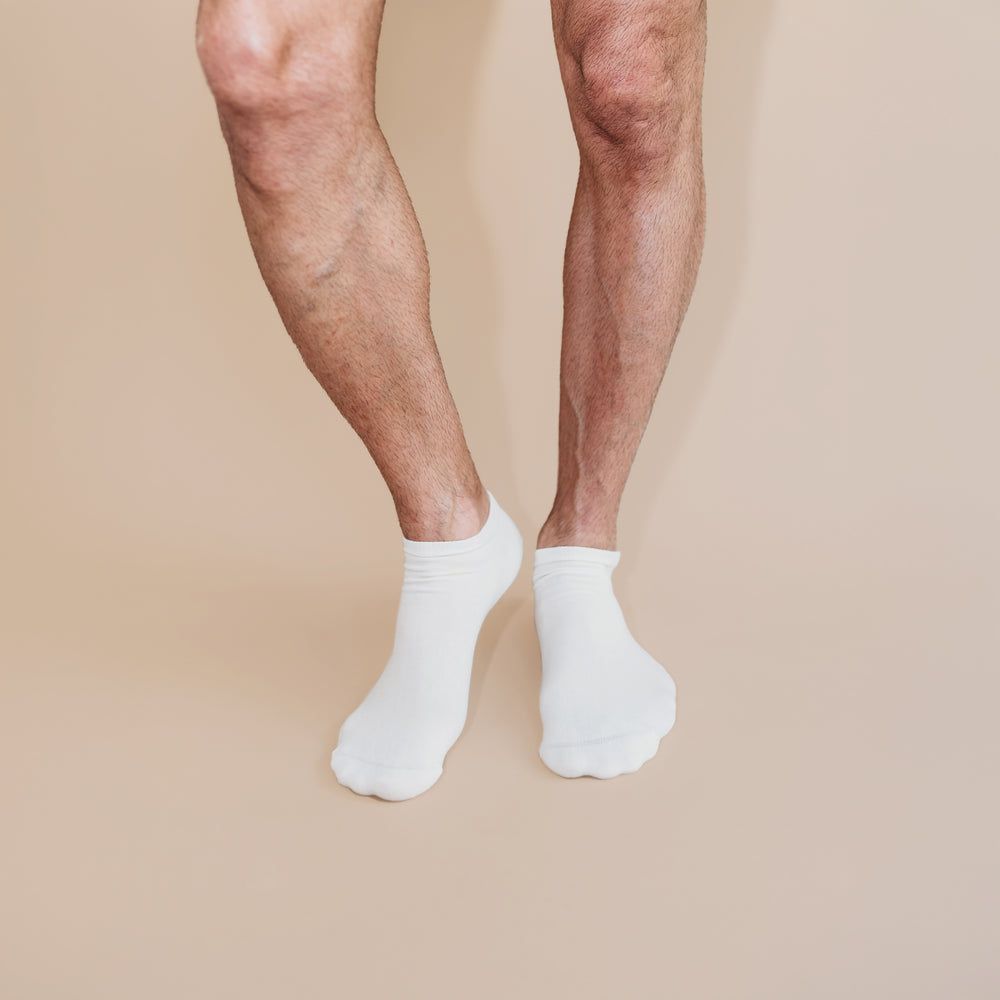
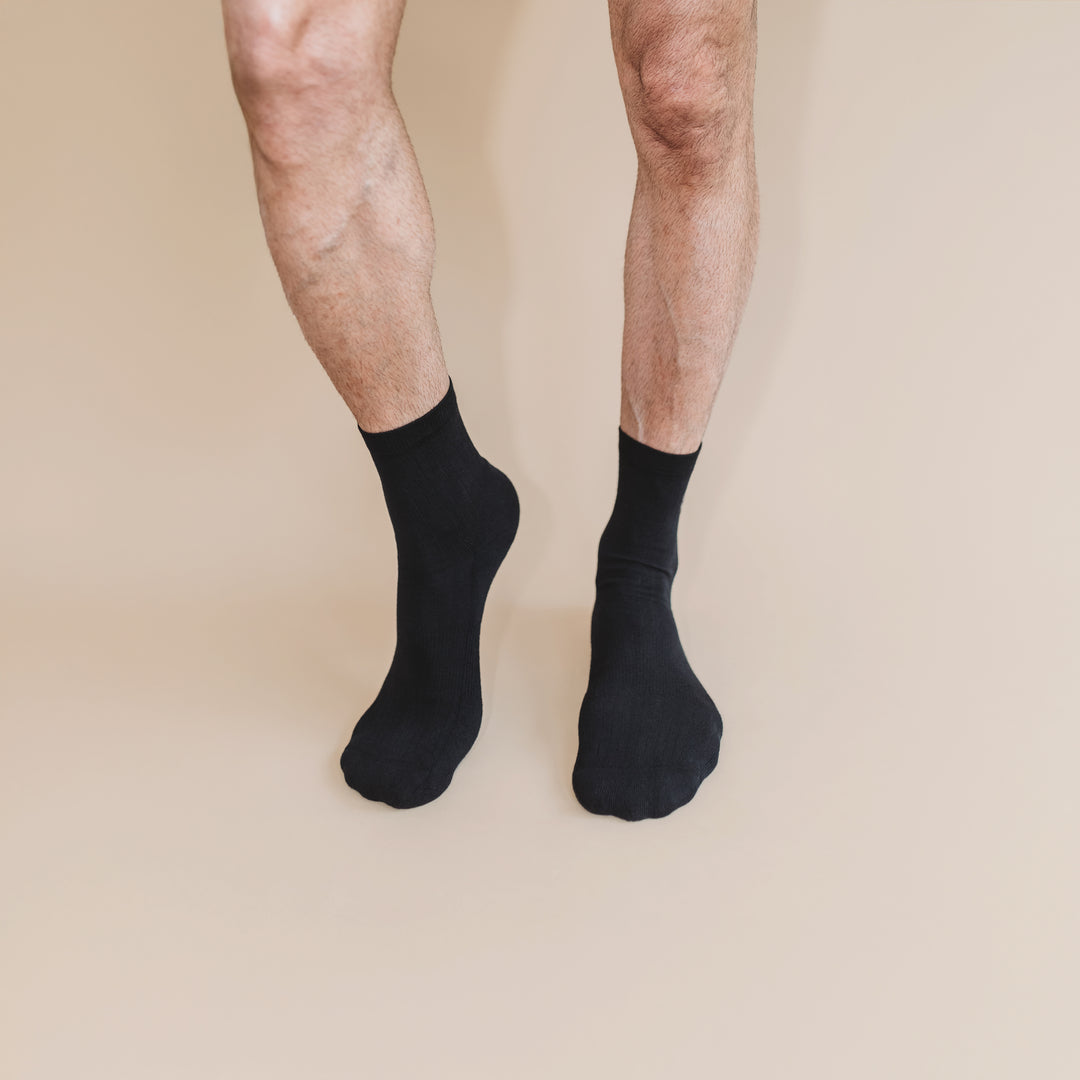
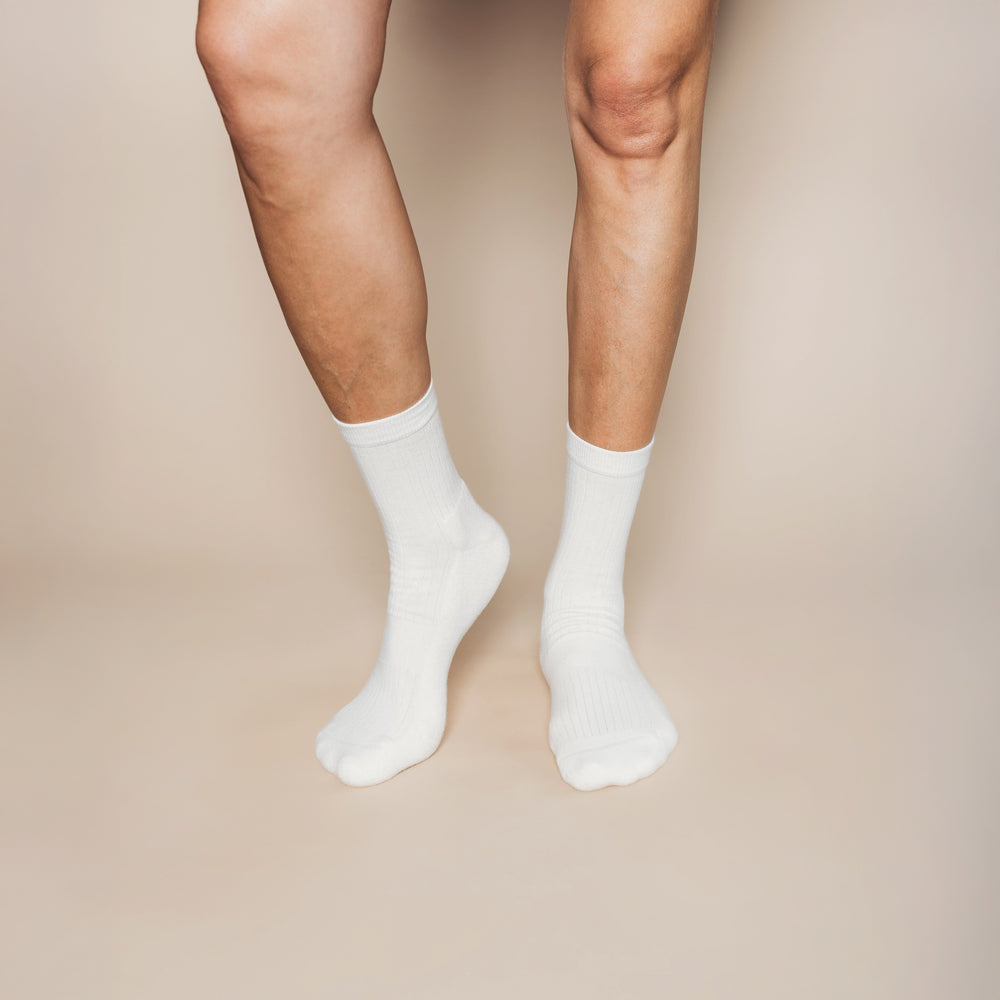
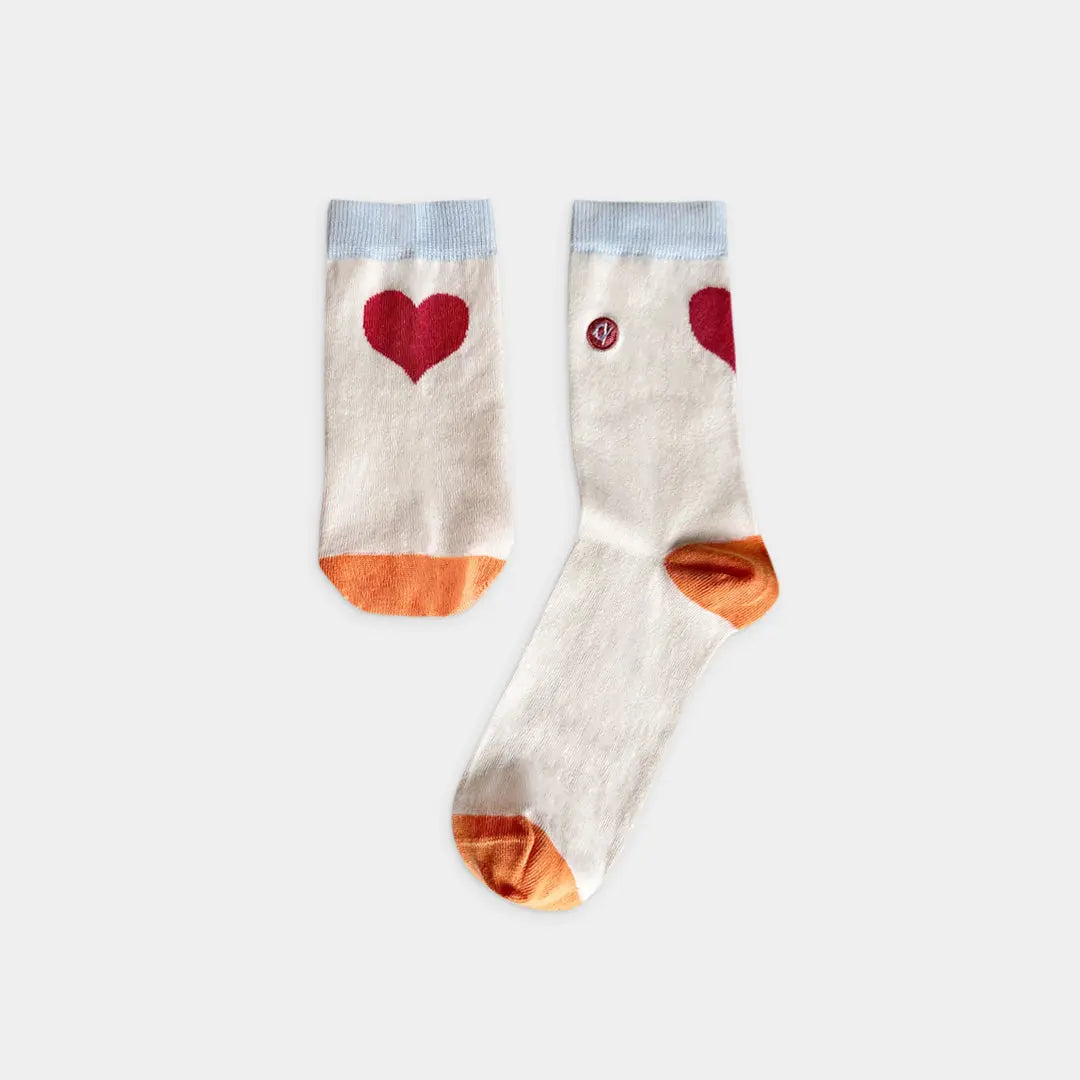
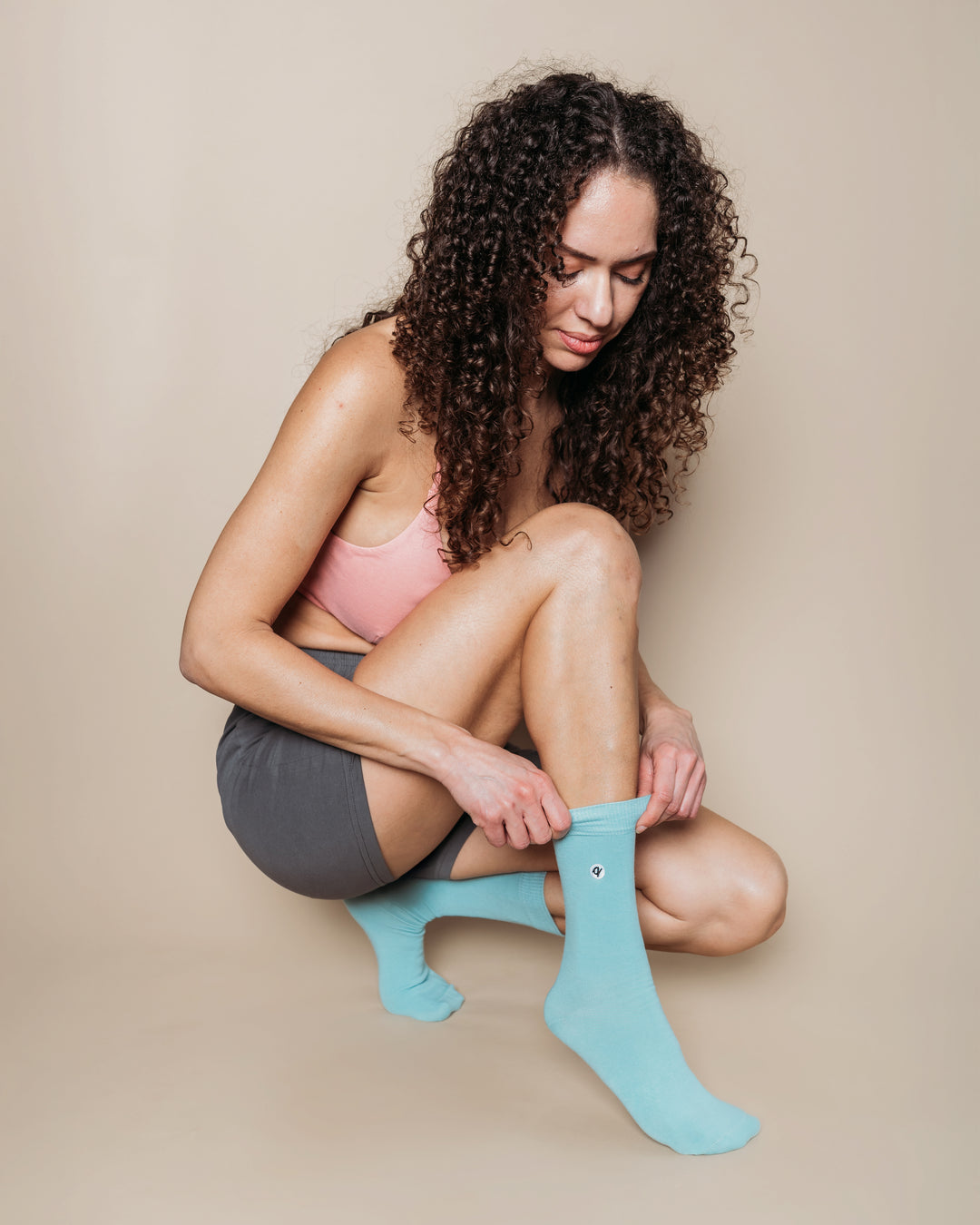
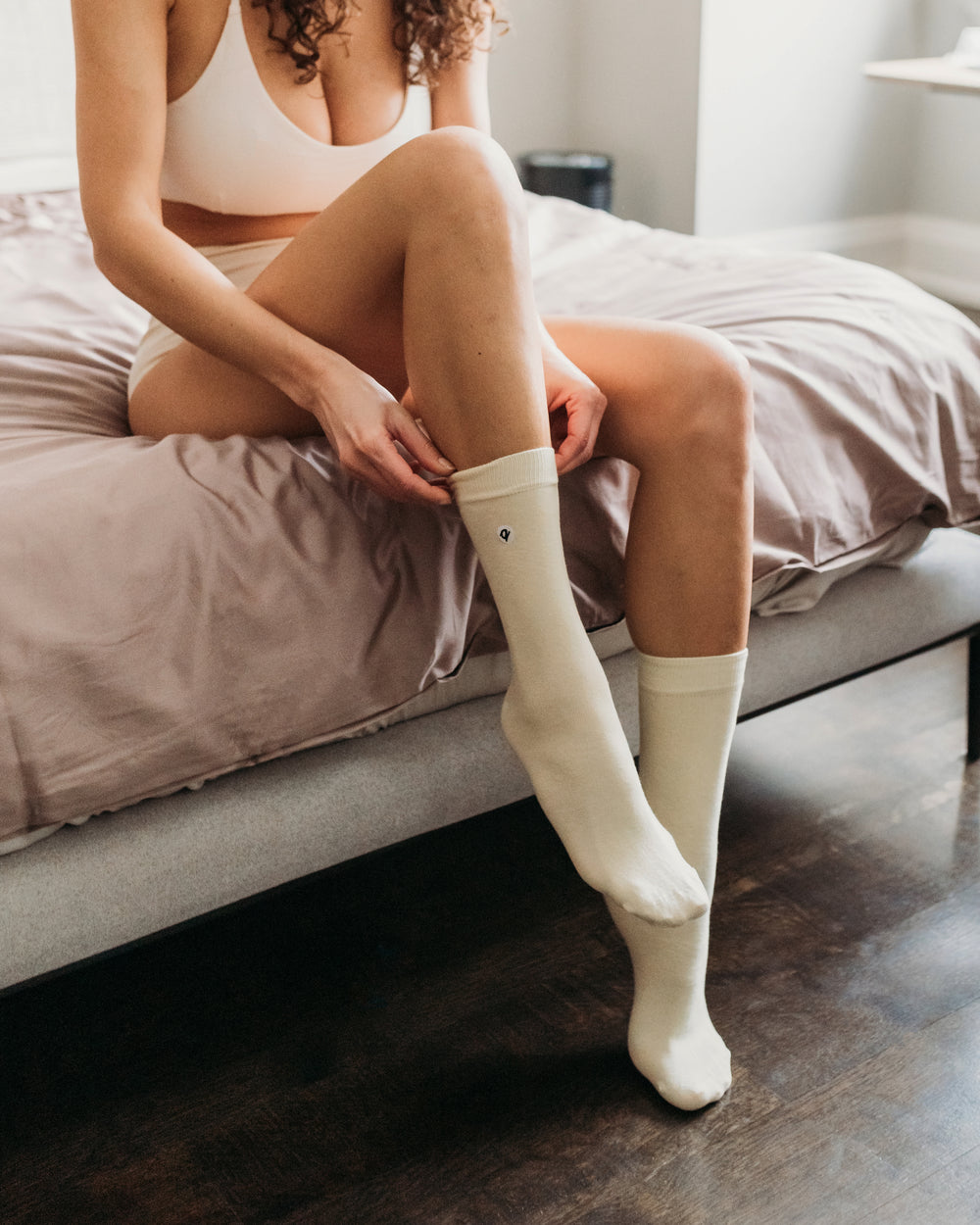
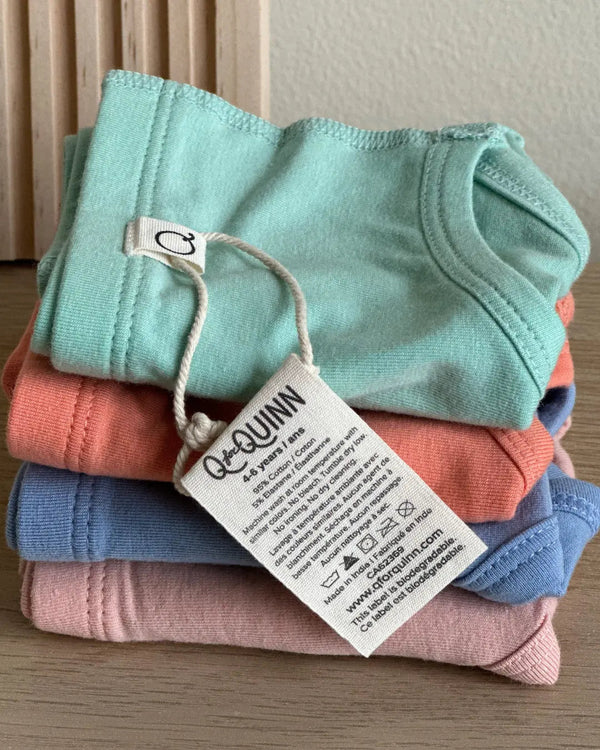
At Q for Quinn, we make 100% organic cotton socks for people who care about what touches their skin from the ground up. Every pair is GOTS certified, free from BPA, PFAS, and synthetic finishes, and made with the highest organic cotton content on the market. We offer options for the whole family, including women, men, kids, babies, and toddlers, with styles ranging from everyday crew to seamless, athletic, and dye-free. Ethically produced in Portugal with a fully traceable supply chain from farm to finished garment.

Filter
    19 products
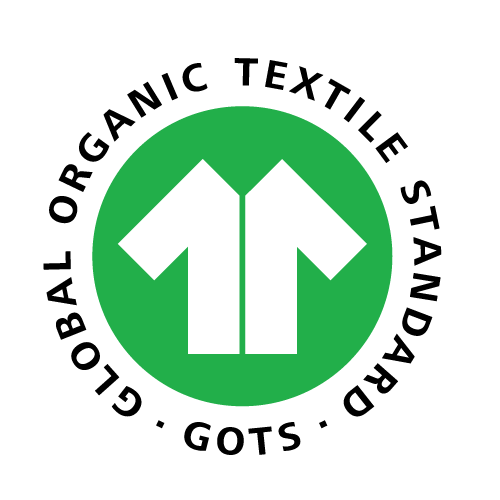
    GOTS logo on garment tag

    Why Choose GOTS Certified Organic Garments?

    GOTS (Global Organic Textile Standard) is the strictest organic certification for textiles, covering the entire supply chain, not just the cotton fibre. Here's what that means for the bras you wear every day:

    • No synthetic pesticides or fertilizers. Better for farmers, soil, and your skin.
    • No harsh chemicals. No chlorine bleach, formaldehyde, or azo dyes used in dyeing or finishing.
    • Hypoallergenic and breathable. Soft on sensitive skin, with airflow that synthetics can't match.
    • Ethically made. Fair labour standards enforced from farm to finished garment.
    Shop now

    Why Choose Q for Quinn?

    "Q for Quinn exists because of socks. My son had severe eczema, and the socks I was buying him were making it worse. Every pair I checked turned out to be mostly polyester, with a thin layer of cotton on the outside and chemical dyes I couldn't trace. His skin reacted to all of it.

    I started looking for a 100% cotton sock that was actually 100% cotton. Not 85%, not 'cotton blend', not 'cotton rich'. Just cotton. And I couldn't find one. So we made them.

    That same standard runs through everything we make now, but socks are still at the heart of it. We use the highest organic cotton content available on the market. We work with a small family-run facility in Portugal that we visit regularly. We offer seamless options for sensory-sensitive kids, dye-free options for the most reactive skin, and sizes for the whole family.

    I still wear our socks every day. So do my kids. If it's not good enough for them, it doesn't go in the collection."

    — Melita Cyril, Founder & CEO

    Woman sitting in a chair with her feet up in a home setting

    Frequently Asked Questions

    Helpful information before choosing the right bra.

    Do 100% cotton socks actually exist?

    Yes, but they're rare. Most socks labelled "cotton" contain 70 to 80% cotton with the rest being polyester, nylon, or elastane. Genuine 100% cotton socks are harder to find because cotton lacks the stretch and recovery of synthetics, so most brands add elastane to prevent sagging. Q for Quinn offers some of the highest organic cotton content available anywhere, with many styles at 98 to 100% organic cotton.

    Are organic cotton socks worth the extra cost?

    Yes, especially for anyone with sensitive skin, eczema, allergies, or kids with sensory issues. Organic cotton is grown without pesticides, processed without harsh chemicals, and dyed with non-toxic azo-free dyes or left undyed entirely. You also pay for longer-lasting socks (natural fibres soften over time instead of degrading) and ethical manufacturing.

    Why are seamless socks better for kids with eczema or sensory issues?

    The toe seam is one of the most common irritants in conventional socks, especially for children with eczema or sensory sensitivities. Standard seams create a ridge that rubs against the skin and often triggers meltdowns in sensory-sensitive kids. Our seamless-toe socks eliminate that ridge entirely, which is why they're widely recommended.

    Do your socks shrink after washing?

    Slight shrinkage is normal, especially after the first wash, because organic cotton isn't chemically treated to prevent it. Our sizing accounts for a small amount of expected shrinkage. To minimize it further, wash cold and air dry when possible. Avoid hot dryers, which can shrink cotton and break down any elastic over time.

    How many pairs of socks should I own?

    Most people do well with 10 to 14 pairs so you have enough for two weeks between laundry cycles. This gives each pair time to breathe and recover between wears, which extends their lifespan. Organic cotton socks last longer than conventional ones, so you can invest in fewer pairs and get more wear from each.

    How often should I replace my socks?

    Conventional socks typically last 6 to 12 months with regular wear. Well-made organic cotton socks often last 12 to 24 months because natural fibres soften over time instead of degrading like synthetics. Signs it's time to replace: thinning soles, stretched cuffs that no longer stay up, persistent odour that doesn't wash out, or visible holes.

    Why do synthetic socks smell even after washing?

    Synthetic fibres like polyester trap odour-causing bacteria deep in the material, and no amount of washing fully removes it. Cotton releases odour more easily in the wash because the fibres don't harbour bacteria the same way. If your sock drawer always smells like gym bag, switching to organic cotton usually fixes it within a few weeks.

    Are your socks safe for diabetics?

    Many of our 100% organic cotton styles are suitable for diabetics because they're seamless, non-constricting, and free from chemical finishes that can irritate sensitive feet. For specific medical recommendations, we always recommend checking with your doctor first. Our dye-free and wide toe box styles are especially popular with people managing diabetes-related foot sensitivity.

    Do organic cotton socks keep feet warm enough in winter?

    For most of the year, yes. For deep winter, we recommend our merino wool socks, which provide better insulation while staying moisture-regulating and breathable. Many customers wear organic cotton socks year-round indoors and switch to merino wool for cold weather, hiking, or layering.

    What's the difference between 100% cotton and merino wool socks?

    Cotton is breathable, hypoallergenic, and softer out of the package. Merino wool is warmer, naturally odour-resistant (you can wear a pair multiple times before washing), and better at regulating temperature in both heat and cold. For everyday wear, cotton is often more comfortable. For hiking, winter, and athletic wear, merino wool typically performs better.

    Where are your socks made?

    Our socks are ethically made in Portugal in a small family-run facility we work with directly. The facility is GOTS and OEKO-TEX certified, and our supply chain is traceable from the cotton farm through spinning, dyeing, and finishing. We visit regularly to maintain the relationship and the quality standard.