


Walk into any high street store in 2026, and you will see 'sustainable', 'eco-friendly', and 'organic' on tags everywhere, yet only a fraction of those garments have ever been independently certified. A brand can legally print 'organic cotton' on a label, whether the fabric is 5% organic or 100%, because in most markets that claim is unregulated without third-party verification. That is the problem this guide exists to solve.
In this article, we rate every brand on the list below using the Skin Safety Score, a three-pillar framework built around fabric purity, chemical safety, and supply chain transparency.
Note: None of the brands on this list paid for their placement. Our criteria are certification-based, not editorial preference.
How We Rate: The Skin Safety Score
Every brand in this guide is evaluated across three pillars. Scores are assigned on a 1–5 scale. A score of 5/5 (Skin-Safe Gold) requires all three pillars to be met at the highest level.
| Pillar | What We Measure |
|---|---|
| Fabric Purity | Organic % per product, GOTS or OCS certification, presence of synthetic blends |
| Chemical Safety | OEKO-TEX Standard 100, azo-free dyes, PFAS/BPA testing, and formaldehyde levels |
| Transparency | Full composition disclosed, supply chain traceable, named factories published |
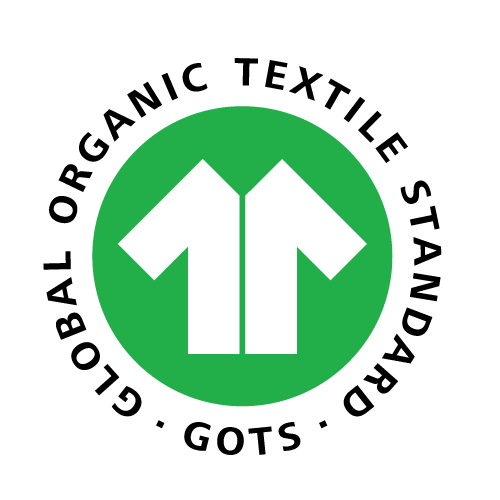
Gold standard: GOTS certification. A brand with only B Corp certification or a vague 'organic' marketing claim does not score the same as one with third-party textile certification.
What Makes a Clothing Brand Truly Organic? Certifications Explained
'Organic' is not a legally protected term in fashion in most countries. A brand can print 'organic cotton' on a label without any third-party verification. Here is what the major certifications actually guarantee and where each one falls short.
| Certification | What It Guarantees | What It Doesn't Cover |
|---|---|---|
| GOTS | 95%+ organic fiber + ethical processing, dyes & working conditions across the entire supply chain | Individual product toxin testing |
| OEKO-TEX Standard 100 | The finished garment is tested and free from 100+ harmful chemicals | Whether the cotton was organically grown |
| OCS (Organic Content Standard) | The cotton content in the garment is genuinely organic at the source | Processing, dyes or chemical safety |
| B Corp | The company meets social and environmental performance standards as a business | Fabric origin or chemical content |
| Fair Trade | Workers received fair wages and safe conditions | Whether the fabric itself is organic |
Quick Comparison: All 10 Brands at a Glance
The table below summarizes every brand in this guide. Use it to compare at a glance before diving into the full reviews.
| Brand | Organic % | Certifications | Best For | Price | Made In |
|---|---|---|---|---|---|
| Q for Quinn | 95–100% | GOTS and OEKO-TEX for trims | Underwear, Socks | $$ | Portugal / India / Peru |
| Kotn | 95–100% | GOTS, B Corp, GRS | T-shirts, Basics | $$ | Egypt / Canada |
| ARMEDANGELS | 95%+ | GOTS, GRS, OCS, RCS | Jeans, Casualwear | $$–$$$ | Germany / Global |
| MATE the Label | 95%+ | Climate Neutral, GOTS certified, B Corp | T-shirts, Sweatshirts | $$–$$$ | USA |
| Patagonia | Varies | Fair Trade, OCS | Outdoor, Fleece, Tees | $$$ | Multiple |
| Eileen Fisher | 85%+ | Bluesign® approved, Regenerative Organic Certified® Cotton, Fair Trade | Women's Casualwear | $$$$ | USA / Global |
| People Tree | 80%+ | GOTS, Fair Trade, OEKO-TEX | Women's Fashion | $$ | UK / Global |
| Colorful Standard | 75%+ | B Corp, OCS100 certification | Casualwear, Loungewear | $$ | Portugal |
| Harvest & Mill | 75% | N/A | T-shirts, basics | $$ | USA (California) |
| Coyuchi | 70% | GOTS, B Corp | Bedding, Home Textiles | $$$ | India / Portugal |
The Best Organic and Sustainable Clothing Brands in 2026
The brands below are ordered by Skin Safety Score, followed by how broadly they extend organic cotton into different product categories.
1. Q for Quinn
Materials
- 95–100% Cotton
- 100% organic cotton biodegradable thread
- RWS-certified Merino Wool
- Undyed and Plant-Based Dyes
Certifications
GOTS certification, OEKO-TEX® Standard 100 for trims
Best For
Organic cotton underwear, socks, and apparel
Q for Quinn was built on a single frustration: finding organic, non-toxic basics that were genuinely safe for sensitive and eczema-prone skin. Most 'organic' basics available are blended fabrics with undefined organic percentages and no chemical safety certification. Q for Quinn was created to fix that.
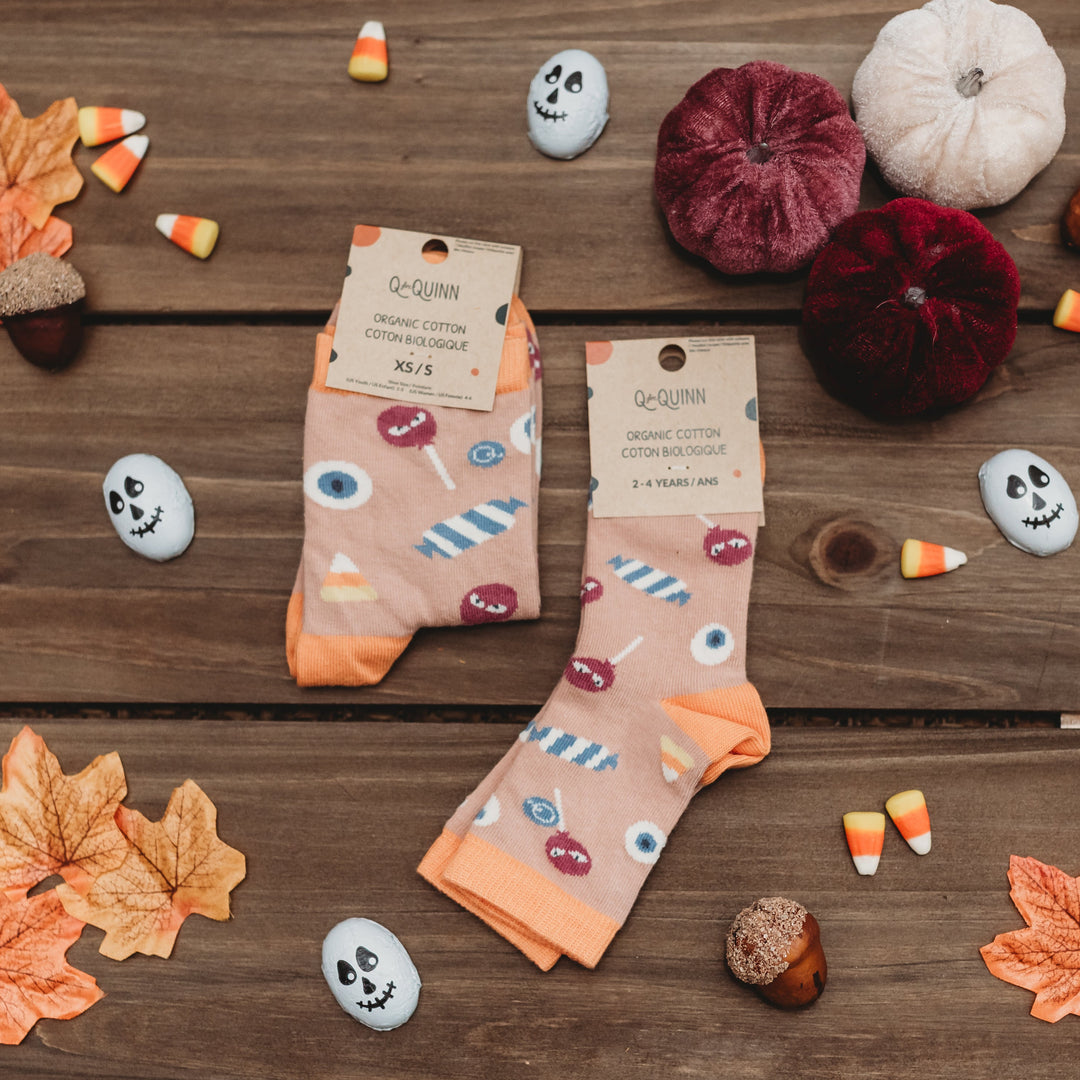
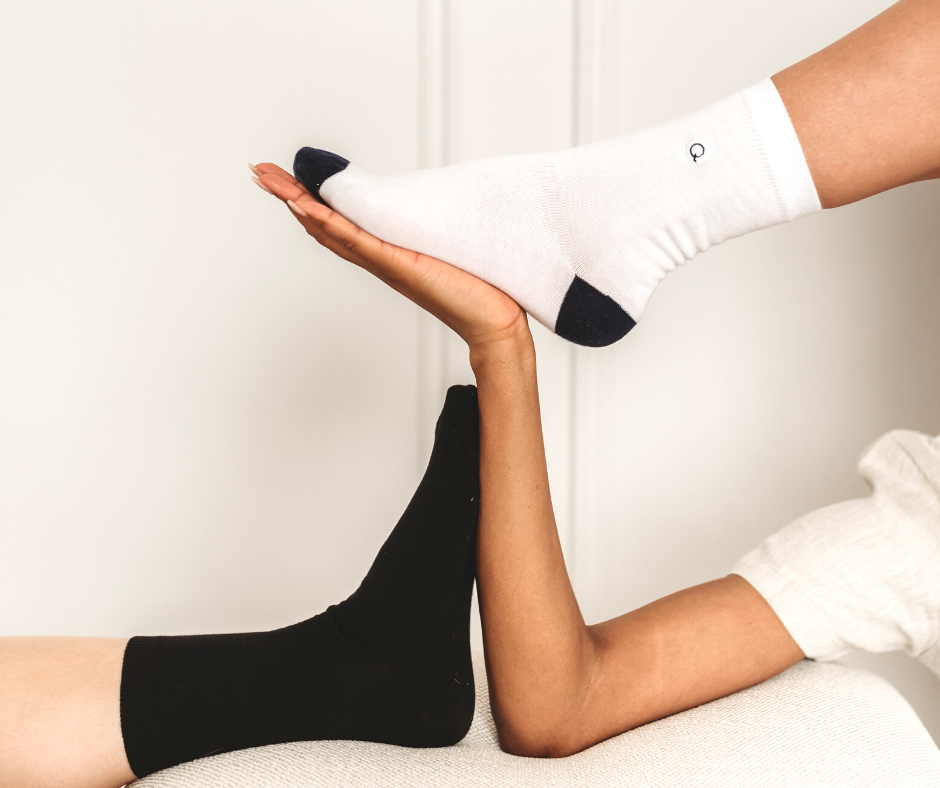
Q for Quinn offers a wide range of essentials, including organic cotton underwear for women, cotton bras and bralettes, and 100% organic cotton socks. The brand also provides natural dye-free underwear and dye-free socks, as well as plant-dyed underwear designed for people with sensitive skin who want completely non-toxic clothing options.
Every product is made from 95–100% organic cotton. Most items are GOTS certified from fiber to finished garment and independently verified by OEKO-TEX Standard 100 for trims, meaning the finished product threads also were tested for a wide range of harmful substances, including PFAS, BPA and azo dyes. The factories in Portugal, India, and Peru are listed on the website.
-
What we like: The highest organic percentage and dual certification of any brand on this list. Full supply chain transparency.
-
What to know: Product range focused on underwear and socks. The brand uses GOTS for all products and OEKO-TEX Standard 100 cotton for thread, which is the gold standard. They’re known for dye-free and plant-dyed garments, which make them the best pure, non-toxic underwear and socks on the market.
2. Kotn
Materials
- Egyptian organic cotton
- ECOTEC Cotton
- Linen
Certifications
GOTS, B Corp, GRS certified
Best For
T-shirts, basics, loungewear
Kotn owns its supply chain from the cotton field upward. The brand works directly with farming families in the Nile Delta region of Egypt, the original home of some of the world's finest long-staple cotton, and has invested in building schools and community infrastructure in the farming communities it works with.
From a sustainability standpoint, Kotn takes a community-centred approach that most fashion brands don't attempt. They publish the communities they work with, the schools they have built, and the wages paid, creating a social sustainability layer that goes beyond fabric certification.
-
What we like: 100% organic cotton, direct farming relationships, transparent community impact, durable fabric quality.
- What to know: Kotn holds OEKO-TEX® non-toxic and GOTS certifications, which means chemical processing standards differ from a dual-certified brand.
3. ARMEDANGELS
Materials
- Organic cotton
- Organic Wool
- Linen
- Recycled polyester/polyamide
- Tencel Modal
Certifications
GOTS, GRS, OCS, RCS
Best For
Jeans, casualwear, basics, knitwear
ARMEDANGELS is a good addition to any organic wardrobe beyond the basics layer. The Cologne-based brand has developed one of the most comprehensive sustainable fashion ranges in Europe, encompassing jeans, t-shirts, sweatshirts, dresses, knitwear, and outerwear, with over 85% of its fabrics certified as organic or sustainably sourced.
However, besides organic fabrics, the brand also uses synthetic fabrics such as elastane, recycled polyamide, and polyester, as well as Tencel/Tencel Modal. Their TENCEL and recycled fiber collections are worth noting.
-
What we like: Full GOTS certification on organic cotton and organic wool lines. Supply chain transparency with published factory names. polyamid
-
What to know: Not every item in the range is made from organic cotton; some styles use TENCEL, polyamide, elastane, or blends. Filter by 'GOTS certified' on their website to find the organic cotton-specific pieces.
4. MATE the Label
Materials
- Organic cotton
- 8% Spandex
Certifications
Climate Neutral, GOTS certified, and a B Corp
Best For
T-shirts, sweatshirts, unisex basics
MATE the Label has grown into one of the clearest examples of what a genuinely certified small-to-mid-size sustainable fashion brand looks like. The brand holds both GOTS certification and B Corp.
The range centres on t-shirts, crewnecks, sweatshirts, hoodies, activewear and unisex staples in India, Sri Lanka, Peru, and Turkey. MATE publishes their factory partner and regularly shares behind-the-scenes content on production.
-
What we like: GOTS and B Corp dual certification. Genuinely transparent about production.
-
What to know: Some blended pieces exist alongside pure organic cotton items, such as uses 8% spandex in activewear clothes. Always check for the GOTS label on individual products rather than assuming the whole range qualifies.
5. Patagonia
Materials
- Recycled Cotton
- Synthetic Fabrics (nylon, polyester, polyamid etc.)
Certifications
B Corp and a California benefit corporation, 1% for the Planet
Best For
Outdoor, fleece, casual t-shirts, activewear
Patagonia has been in the sustainable conversation since 1996, when it became one of the first major brands for outdoor clothing. That early commitment built a genuine infrastructure for sustainable sourcing that newer brands are still trying to replicate. Today, Patagonia Regenerative Organic Certified® Cotton status across a significant portion of its factories, is a founding member of the 1% for the Planet initiative, and has transferred company ownership to a climate-focused trust rather than shareholders.
From a sustainability standpoint, Patagonia's worn wear programme, its internal repair and resale platform, remains one of the most credible circular economy models in fashion. The brand actively encourages customers to buy used, repair damaged items for free, and avoid buying new gear unless necessary.
The organic cotton range includes t-shirts, casual tops, and some base layer pieces. The outdoor and performance lines often incorporate recycled polyester and blended fabrics. For shoppers specifically seeking sustainably responsible organic cotton, filter explicitly on Patagonia's site.
-
What we like: Decades-long sustainability commitment. Worn Wear circular economy programme. 1% for the Planet.
-
What to know: Not all Patagonia products use organic cotton; performance and outdoor gear often use synthetics. Regenerative Organic Certified® Cotton certification applies to cotton-specific lines, but the brand does not hold GOTS across the whole range.
6. Eileen Fisher
Materials
- Organic cotton
- Linen
- Silk
- Satin
- Cashmere
- Recycled Polyester
- Elastane
Certifications
Bluesign® approved, Regenerative Organic Certified® Cotton, Fair Trade Certified™
Best For
Women's casualwear, timeless staples
Eileen Fisher is one of the sustainability-serious fashion brands in the US market for two decades. The company is a certified B Corp, meaning its entire business model has been assessed against rigorous social, environmental, and governance criteria. On the product side, Eileen Fisher uses organic cotton, linen, and TENCEL across its core range, with GOTS certification on its organic cotton-specific lines.
What distinguishes Eileen Fisher on sustainability is its Renew program, one of the longest-running take-back and resale initiatives in American fashion. Customers return worn Eileen Fisher garments, which are then cleaned, repaired, and resold through a dedicated channel. This circular model extends the life of each garment and reduces the brand's net production footprint.
-
What we like: B Corp certified. Renew take-back programme. Genuinely timeless design philosophy that reinforces longevity.
-
What to know: Higher price point than most brands on this list. Not all garments are natural and organic lines carry the certification; they also use synthetic fabrics such as recycled polyester, lastane, satin, etc.
7. People Tree
Organic %
80%+ GOTS organic cotton in core range
Certifications
GOTS, Fair Trade, OEKO-TEX
Best For
Women's dresses, tops, casual wear
People Tree has a legitimate claim to being one of the original ethical fashion brands. Founded in 1991 in Tokyo by Safia Minney, the brand has been GOTS certified and Fair Trade compliant for longer than most of its competitors have existed. It is a member of the World Fair Trade Organization (WFTO).
The sustainability story at People Tree extends beyond fabric. The brand works with small-scale artisan producers who use traditional hand-weaving and hand-printing techniques that require no electricity. These methods produce near-zero processing emissions and preserve craft skills that would otherwise be lost to industrial manufacturing. It is one of the few brands where 'artisan-made' is a legitimate sustainability claim.
-
What we like: GOTS and WFTO Fair Trade certified. Artisan production methods with near-zero processing emissions. Accessible pricing. Long-standing ethical credentials.
-
What to know: The full range includes some conventional cotton items alongside the GOTS-certified pieces; filter by 'organic' or look for the GOTS label per item. Also note: some styles sell out and are not restocked, due to the artisan production model.
8. Colorful Standard
Organic %
Organic cotton
Recycled Wool
Elastane
Certifications
B Corp, OCS100 certification
Best For
Casualwear, loungewear, bamboo-cotton blend pieces
Colorful Standard is a Copenhagen-based brand built entirely around one idea: timeless everyday essentials made from OCS100 certified organic cotton. The range covers exactly what sits between your basics layer and your outerwear — t-shirts, sweatshirts, hoodies, and crewnecks.
What makes Colorful Standard worth including is the combination of genuine dual certification and a product focus that doesn't overlap with underwear or socks at all. The brand publishes its factory information and impact data annually, and the Portuguese manufacturing keeps the supply chain short and traceable.
-
What we like: Organic cotton and recycled wool. Transparent supply chain and Portuguese manufacturing. Strong colour range for everyday wardrobe building.
-
What to know: Higher price point than some casualwear alternatives. The range is intentionally limited to essentials only, so if you need outerwear or formal pieces, you'll look elsewhere.
9. Harvest & Mill
Materials
- USA-grown organic cotton
Certifications
Not Found Information
Best For
T-shirts, basics
Harvest & Mill’s entire supply chain, from the organic cotton field to the finished garment, takes place in the United States. The cotton is grown in the San Joaquin Valley, and all of their sewing takes place within 15 miles of our studio in Berkeley, California.
From a sustainability perspective, the domestic supply chain dramatically reduces transport emissions compared to garments that travel through multiple countries. The brand publishes a full supply chain map on its website, a rare level of transparency.
-
What we like: Fully US-traceable supply chain. 100% organic cotton. Low transport emissions. Exceptional provenance transparency.
-
What to know: Although the brand mentions organic cotton, vegan and cruelty-free practices, and non-toxic dyes, no specific organic certification information is provided on its website.
10. Coyuchi
Materials
- Organic cotton
- Sateen
- Linen
- Flannel
Certifications
Fair Trade™, GOTS
Best For
Bedding, bath towels, home textiles
Coyuchi occupies a unique position on this list: it is not a clothing brand. It is included because building a genuinely organic cotton lifestyle doesn't stop at the wardrobe. You spend roughly a third of your life in your bedding, and if you're making careful choices about the fabric against your skin during the day, it makes sense to apply the same standard at night.
Coyuchi holds GOTS certification across its entire cotton product range. From a sustainability standpoint, Coyuchi's commitment to circularity stands out: the brand operates a take-back programme (Coyuchi Second Home) through which customers return used bedding for resale or textile recycling. This keeps organic cotton in use longer and reduces landfill waste, a circular model that few home textile brands have implemented.
-
What we like: 100% GOTS certified across the cotton products. The logical extension of organic cotton choices into home textiles.
-
What to know: Coyuchi is a home textile brand, not a clothing brand. It belongs on this list for completeness if you're building an organic cotton lifestyle, not as an alternative to the clothing brands above it.
FAQs
What is the best organic cotton clothing brand in 2026?
For underwear and socks, Q for Quinn holds the highest Skin Safety Score on this list — 95–100% organic cotton, GOTS certification and OEKO-TEX standard 100 for trims certified, with full supply chain transparency. For t-shirts and everyday basics, MATE the Label and Harvest & Mill both hold strong certifications. For a full casualwear wardrobe, ARMEDANGELS is the most comprehensive option.
What certifications should I look for in organic clothing?
The gold standard is GOTS (Global Organic Textile Standard) combined with OEKO-TEX Standard 100. GOTS ensures the cotton is organically grown and that no harmful chemicals are used during processing. OEKO-TEX tests the finished garment. A brand holding both has made a verifiable, audited commitment at every stage of production, not just at the fiber level.
What is the difference between eco-friendly and organic clothing?
Organic refers to the fiber origin, cotton grown without synthetic pesticides, certified to GOTS or OCS. Eco-friendly is a broader term covering any sustainability claim, including recycled materials, low-impact dyes, or reduced carbon production. A garment can be eco-friendly without being organic, and vice versa. The terms are not interchangeable.
Is organic cotton clothing better for sensitive skin?
Yes, for most people with sensitive or eczema-prone skin. Organic cotton is grown without synthetic pesticide residues, and GOTS-certified processing uses restricted-substance lists for dyes and finishes. For the highest standard, particularly for items in direct skin contact like underwear, look for GOTS and OEKO-TEX dual certification, dye free or plant based dyed products which means the finished garment has been independently tested for harmful substances.
Can I extend organic cotton choices beyond clothing?
Yes. Coyuchi specializes entirely in GOTS-certified organic cotton bedding, bath towels, and home textiles, covering the surfaces you spend the most time in contact with outside of clothing. If you're making careful choices about organic cotton in your wardrobe, bedding is the logical next step.
Final Word
Every brand on this list earned its place through verifiable certification data, not editorial relationships or affiliate arrangements. The organic and sustainable fashion space is full of well-intentioned marketing. The brands above are defined by what they have been willing to audit, certify, disclose, and stand behind.
If you are building a wardrobe from the inside out, starting with what sits closest to your skin, organic cotton underwear and socks are the foundation. Q for Quinn makes those to the highest available standard: GOTS for all products and OEKO-TEX certified for trims, 95–100% organic cotton, manufactured in Portugal, India, and Peru with full supply chain transparency. The brands above take that same commitment and extend it into every other corner of your wardrobe and home.
The choice to buy certified organic over conventionally grown cotton is not a marginal one. It affects the health of the farmers who grew it, the workers who processed it, the waterways near the factories, and the largest organ in your body.



Leave a comment